 EN
EN

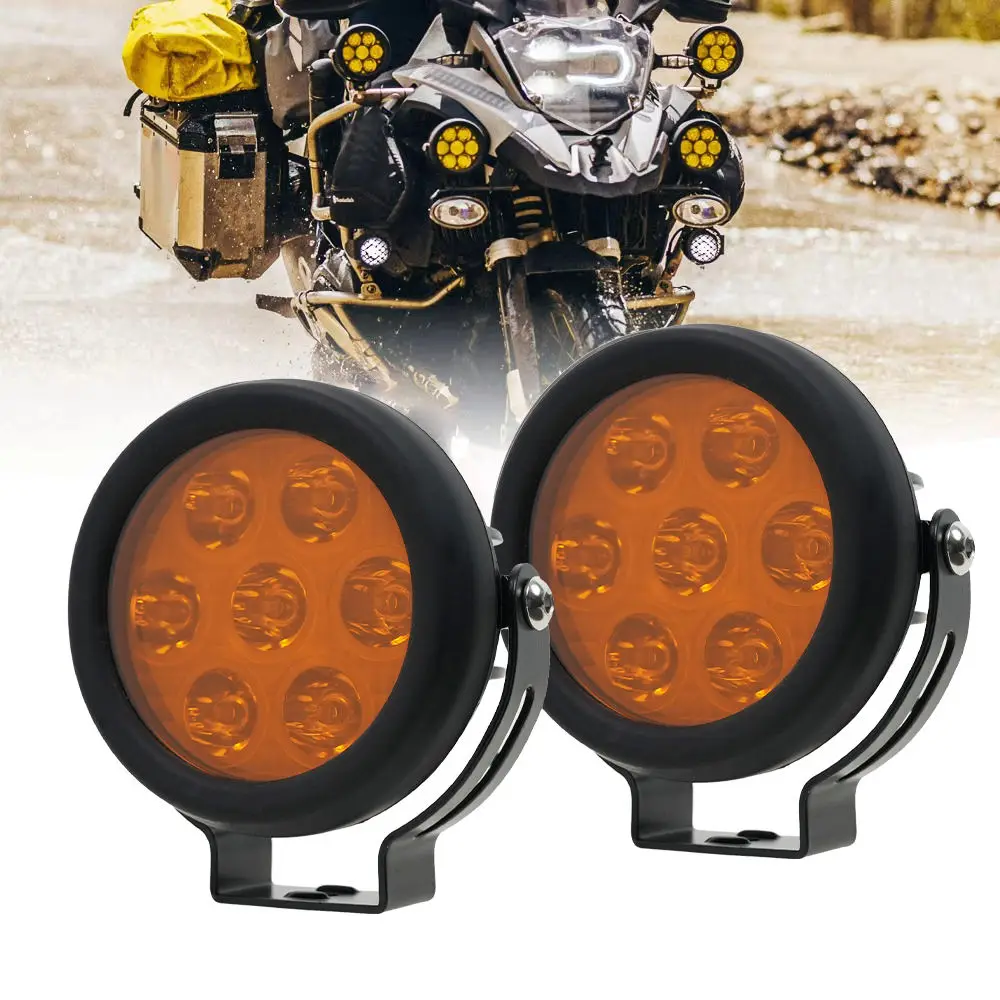
Heads up displays for motorcycles are now more than headlights on and off switches. Riders want lighting systems that adjust to the conditions – such as the angle of lean, the level of external light and riding surface. One of the major developments made to date is the use of integrated variable light motor in headlights for auxiliary lights. These tiny electric motors move in real time the shields, the lenses or the LED to modify the light beam without huge relays and complicated wiring.
We produce LED multi-functional lighting at Danyang Yeya Opto-Electronic Company Limited such as LED auxiliary head-light using variable light motor design. Variable light motor applications for Auxiliary lighting on motorcycles:
1. Dynamic Beam Shifting Between Low Beam and High Beam
A typical motorcycle headlight has a separate filament or LED to provide low and high beams. This usually results in redundant optics and less optimized light patterns. The variable light motor design is based on 1 light source and moving shield. A push of the high-beam switch and a motor moves the shield away to switch from a low beam that is sharply at the surface into a high-beam capable of reaching far out.
Small encapsulated stepper motors are used for the creation of our auxiliary lens headlights. Smooth millisecond switching without flickering and noisy movement of these motors. This is important for riders of roadways with good lighting and those of darker countryside roads because you want to ensure that the low beam cutoff is ideal on bright streets, so you don't startle other road users, but at the other extreme, you want to be able to read as far as possible on dark streets. The life of the motors is estimated to be many hundreds of thousands of operations.
2. Cornering Light Function by Motorized Lens Movement
One issue with riding at night or going into curves is the light shadowing on the inside of the curve because of the headlight pointing straight-ahead of themselves. A variable light motor design is possible to solve this by moving the auxiliary lens laterally and pointing to where the rider's hand is pointing, or tilting based on the rider's lean angle.
Our auxiliary lens headlights move the lens and LED light sources from side to side in response to the turn signal switch or the angle of lean when using a lean angle sensor that's found in advanced lens headlights. As the rider is moving into the curve, the light beam gradually moves into the corner, illuminating the rider's path. This cornering light use is a pretty significant boost of confidence in the dark on a twisty road.
3. Adaptive Beam Height for Load and Terrain Changes
When a passenger and/or a load take their weight to the rear or to the front or off or on a motorcycle, it leans or pitches. The rear suspension is compressed by a passenger, squatting the whole bike and potentially popping light into oncoming vehicles while the front suspension flexes up and down when riding on bad ground. The response of the a static beam headlight is never going to be anything but inadequate. The angle of the auxiliary light can be varied by motorized lens and movable light sources, according to the attitude of the motorcycle.
Danyang Yeya has created auxiliary bulb headlights which have automated vertical aim adjustment. Toggling the low beam switch up/down, a small motor makes the cut in the lens move up/down; the low beam cutoff can stay level on all terrains at any suspension attitude. Its variable-light motor offers safer night riding adventure on uneven surfaces, as the light stays on the rider's level and wouldn't be in the way of other riders. The motor is used to replace a larger manually operated knob.
4. Integration with CAN-Bus and Smartphone Control
The most advanced motorcycles use the CAN-bus electrical system which constantly sends data about vehicle status and function. The variable light motor available on the auxiliary headlight can be incorporated into the CAN-bus to give intelligent control of the light, such as switching the auxiliary light on when the high beam is activated, while keeping the low beam on always; or enable and disable the cornering light. In fact, in certain units, the light is capable of changing color temperature.
We at Danyang Yeya have developed and produced wired / controllable variable light motor modules for CAN bus or standalone, wireless-controllable programmable headlights. Our engineers have created flexible control algorithms that enable motorcycle manufacturers to provide unique motorcycle lighting options in their vehicles. If you are an OEM or ODM, reach out to us to receive engineering samples, and start creating your variable light headlight today.
Summary
The main improvements of variable-light motor headlights in the auxiliary (projector) segment: dynamic beam switching to alternating low and high beam, adjustable cornering lights (which follow the angle of the head by a mechanism also driven by the motor), adaptive beam lighting (which keeps the light at the proper altitude as the vehicle's load changes and/or the road surface changes) and integration into vehicle control systems and smartphone apps. Danyang Yeya Opto-Electronic Company Limited's advanced auxiliary headlights, made with the utilisation of its precise motors, lighting optics and manufacturing quality, are right at the front of the pack. We are excited to discuss with all OEM motorcycle manufacturers and after market brands how our variable light motor designs will make your products stand out.