EN

Motorcycle DRL vs. Driving Lights: What Is the Difference?
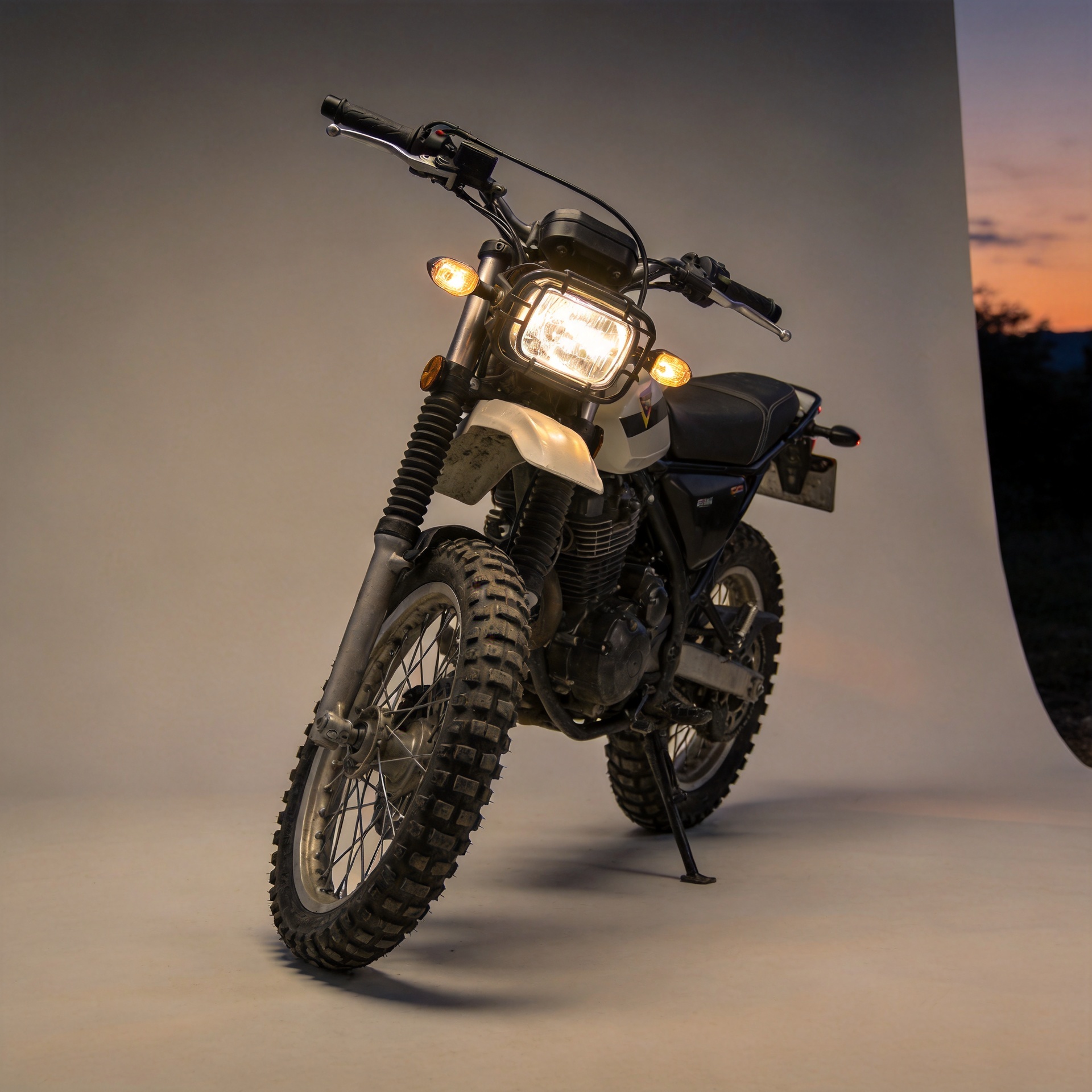
For a parts buyer, the first mistake is treating every extra front lamp as the same product. Motorcycle daytime running lights and driving lights may sit close together on a motorcycle, but they solve different problems. One makes the motorcycle easier for other road users to notice in daylight. The other adds useful illumination for the rider when the road, weather, or route demands it.
That distinction affects optics, output direction, mounting, switching, approvals, and the way a kit should be specified. This comparison gives distributors, private-label teams, and vehicle programs a practical way to assess motorcycle daytime running lights alongside driving and fog-light options.
The short answer: visibility versus road illumination
Motorcycle daytime running lights are forward-facing lamps intended to improve conspicuity during the day. In plain terms, they help an approaching driver recognize that a motorcycle is present. UNECE Regulation No. 87 defines a daytime running lamp as a forward-facing lamp used to make a vehicle more easily visible when driving in daytime.
Driving lights, by contrast, are supplementary lighting devices intended to help the rider see farther ahead. Their beam is typically directed down the road rather than broadly toward oncoming traffic. A fog light has another role again: it is generally designed to manage near-field or lateral visibility in poor weather with a controlled beam pattern. Therefore, motorcycle daytime running lights are not a substitute for a correctly aimed driving beam, and a driving light should not be sold as if it were automatically a compliant DRL.
How the beam pattern changes the product’s job
The lens and optical pattern reveal the intended function. Motorcycle daytime running lights usually aim to create a recognizable light signature from the front, often with meaningful side visibility at junctions. Their purpose is conspicuity, not long-distance road coverage. A high-output, tightly focused auxiliary lamp may be excellent for finding a bend or hazard farther ahead, yet it can be the wrong choice if the requirement is a distinctive daytime signature.
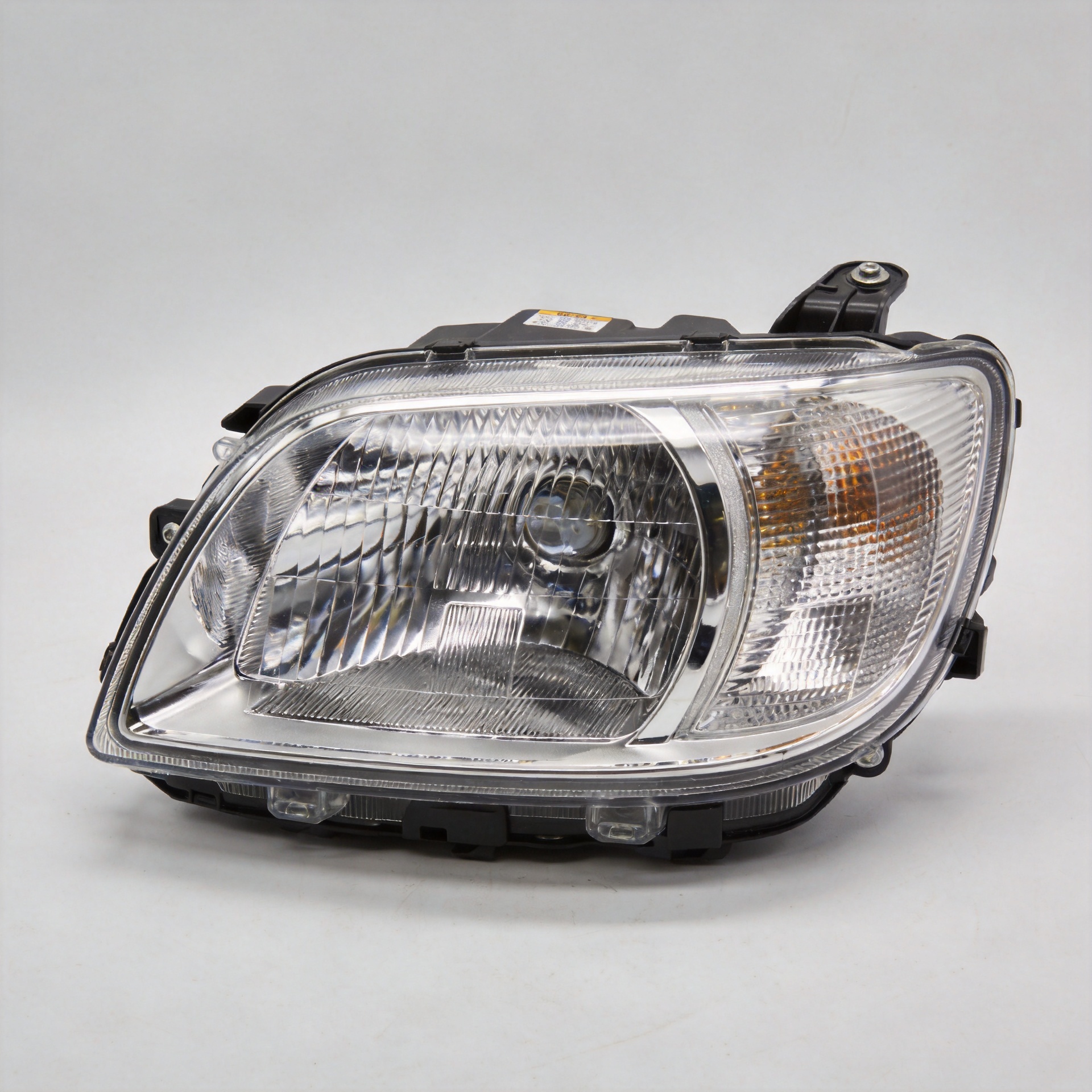
Driving lights commonly use a spot, pencil, or hybrid beam for distance. Wide-beam auxiliary lights spread more light across the shoulders of the road. Fog-oriented lamps use a lower, controlled pattern intended to reduce reflected glare in appropriate conditions. When comparing motorcycle daytime running lights, ask the supplier for the beam purpose and photometric evidence rather than relying only on wattage, lumen claims, or the shape of the housing.
| Selection point | Motorcycle daytime running lights | Driving / auxiliary lights |
|---|---|---|
| Primary objective | Make the motorcycle more noticeable by day | Help the rider see the road and hazards |
| Typical beam emphasis | Forward-facing signature and conspicuity | Long-range, wide, or terrain-specific illumination |
| Use condition | Daytime operation | Night riding, unlit roads, or defined low-visibility needs |
| Key risk if misapplied | Insufficient road illumination | Glare, incorrect aim, or non-compliant daytime use |
| Buying evidence | Applicable DRL approval and installation fit | Beam data, mounting stability, aiming and switching plan |
Where each lamp is normally installed and wired
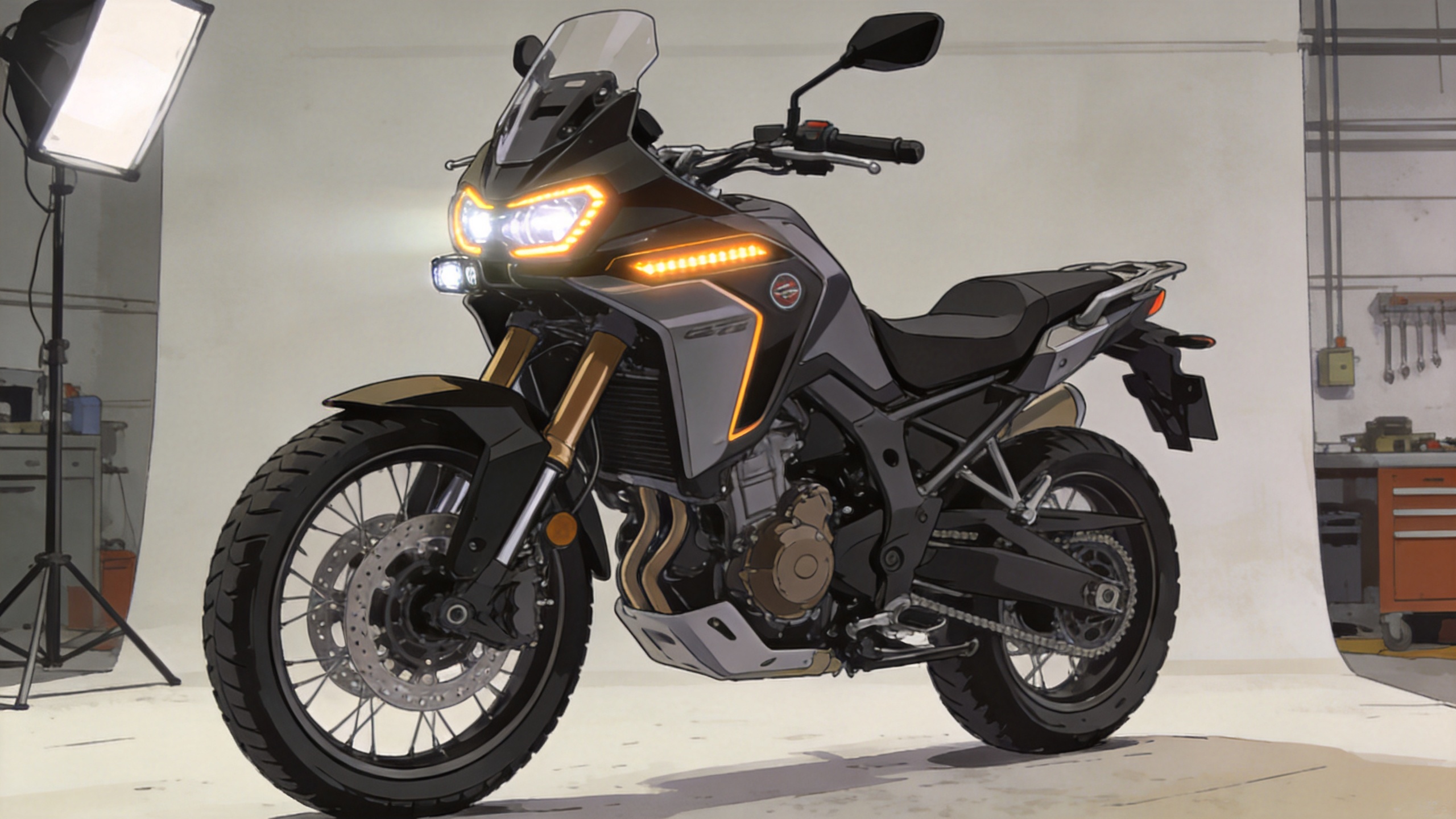
Motorcycle daytime running lights are normally positioned to give a clear frontal signature without being hidden by forks, luggage, or bodywork. Symmetry, height, spacing, and automatic behavior can matter in markets that regulate the function. The installation should preserve visibility through steering movement and suspension travel.
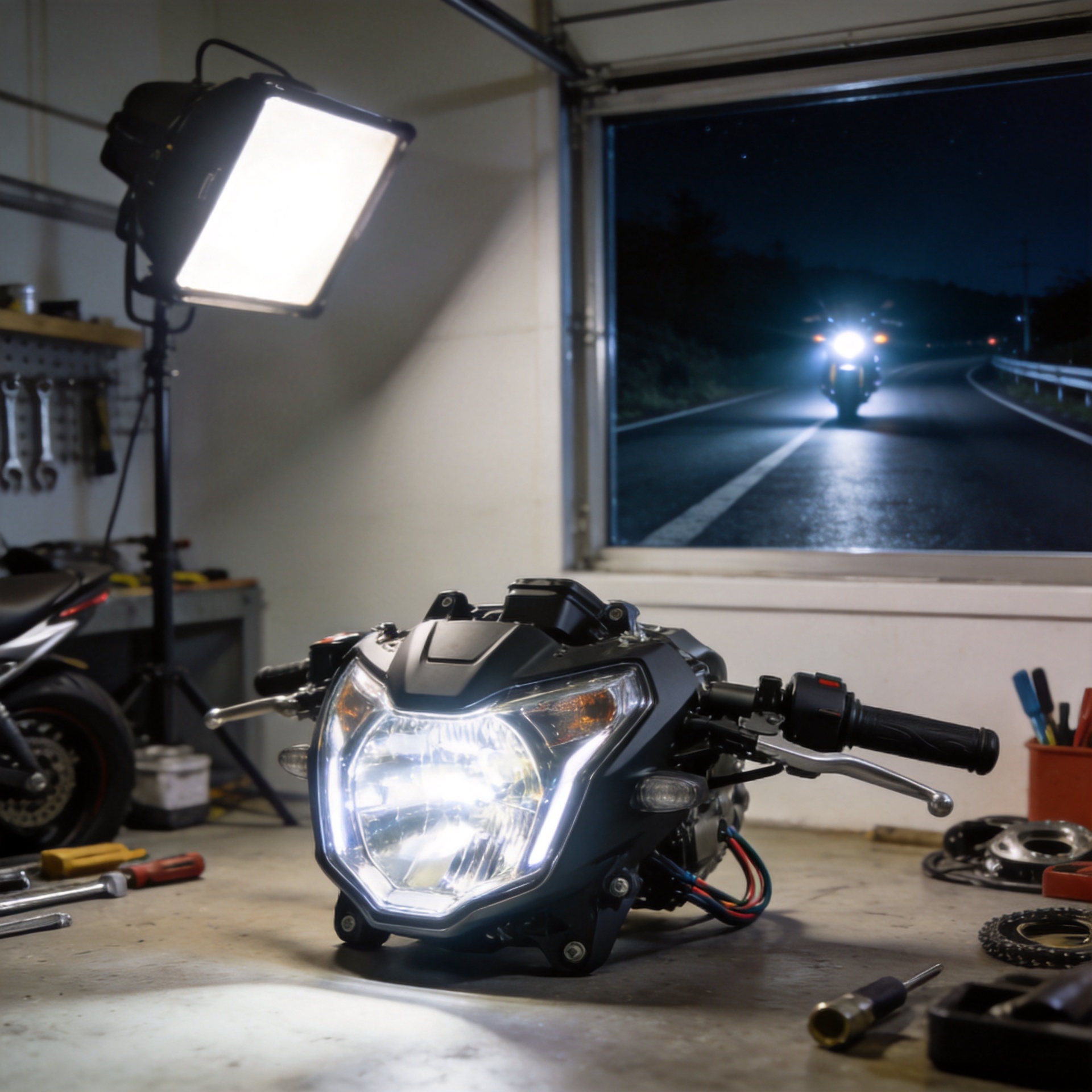
Driving lights are often mounted lower on crash bars, forks, brackets, or near the main headlamp, where the beam can be aimed accurately and the hardware can tolerate vibration. The right location depends on the motorcycle’s geometry and the selected beam. The wiring plan also differs: motorcycle daytime running lights may be expected to operate automatically with the vehicle’s running state, while auxiliary lights may need a dedicated switch, a relay, and logic that prevents inappropriate use with low-beam traffic conditions.
For a platform-specific example, a buyer evaluating the EMark certified LED driving headlight for BMW F800GS, F700GS, and F650GS should confirm the assigned function, vehicle fitment, mounting method, and local approval marking before presenting it as a DRL solution. The product title alone does not establish every installation or performance claim.
Why compliance cannot be an afterthought
Motorcycle daytime running lights may be governed by different approval, marking, installation, and switching rules from driving or fog lamps. UNECE R87 is relevant to daytime running lamp approval, while installation requirements and local rules may add separate conditions. Requirements vary by destination market, so an E-mark on one item does not remove the need to verify the complete vehicle application.
For export-oriented purchasing, keep a simple evidence file: product approval documents where applicable, lens or housing markings, beam-function description, wiring diagram, installation dimensions, and the target-market rule being checked. This protects the buyer from creating a motorcycle daytime running lights kit that looks correct in a catalog but cannot be positioned or controlled as intended in the destination market.
A practical procurement checklist
- Start with the use case: daytime recognition, long-range night riding, wide-area illumination, or bad-weather assistance.
- Specify the required function in writing; do not use “auxiliary light” as a catch-all term.
- For motorcycle daytime running lights, request the applicable approval evidence and the recommended automatic operating logic.
- For driving lights, request beam-pattern information, aiming guidance, current draw, connector details, and mounting loads.
- Check vehicle-specific clearance, vibration resistance, heat management, and cable routing before committing to a kit.
- Review the target country’s current rules with a qualified local compliance resource before launch.
Which option should a buyer choose?
Choose motorcycle daytime running lights when the main need is a clearer daytime presence. Choose driving lights when the main need is additional rider-facing illumination. Choose fog-oriented lighting only when the intended beam and conditions justify it. Many premium motorcycle programs use more than one function, but each function should remain optically, electrically, and legally distinct.
A sound purchasing decision is not “which lamp is brighter?” It is “which lamp performs the required function without creating glare, installation, or compliance problems?” When that question guides the specification, motorcycle daytime running lights become easier to compare with driving lights, and the final product offer is clearer for both dealers and riders.