EN
EN
How to Source Vehicle-Specific Headlight Covers for Cars
For a wholesaler, importer, or vehicle-parts buyer, sourcing headlight covers for cars is not a simple “find the right size” exercise. A vehicle-specific outer lens or cover has to match the lamp family, model year, side, lens contour, mounting points, and packaging requirements. A clear buying process reduces the risk of receiving a lens that looks close in photos but cannot be installed, sealed, or sold as the intended replacement part.
This guide is written for B2B buyers evaluating replacement headlight covers for cars. It focuses on the details that should be confirmed before a bulk order: vehicle application, lens shape, material information, sample approval, and shipment controls.
Start by defining what “headlight cover” means in your order
The phrase headlight covers for cars can describe several different products: an outer replacement lens, a protective cap, a decorative overlay, or a complete lamp-related component. These products have different fitment and compliance implications. Put the intended product type in the RFQ and on the purchase order so the supplier, inspection team, and warehouse use the same definition.
For a vehicle-specific replacement lens, request a clear description that identifies whether it is for the left or right lamp, whether it is sold as one piece or a pair, and whether it is intended for an original-style lamp housing. When an order concerns a completed lamp or a replacement assembly, market rules may also apply. For example, FMVSS No. 108 covers original and replacement lamps and associated equipment in the United States. A lens alone should not be represented as certifying a completed lamp assembly; buyers should review the applicable requirements for the destination market with their compliance team.
Build a fitment sheet before you request quotations
The most useful RFQ for headlight covers for cars is a fitment sheet, not only a vehicle name. Ask the buyer or downstream customer to provide the following items:
- Vehicle make, model, generation, and model-year range.
- Market version where relevant, because similar model names can use different lamps by region.
- Left-hand or right-hand side, plus whether a pair is required.
- OEM reference number, lamp housing number, or a clear photo of the label when available.
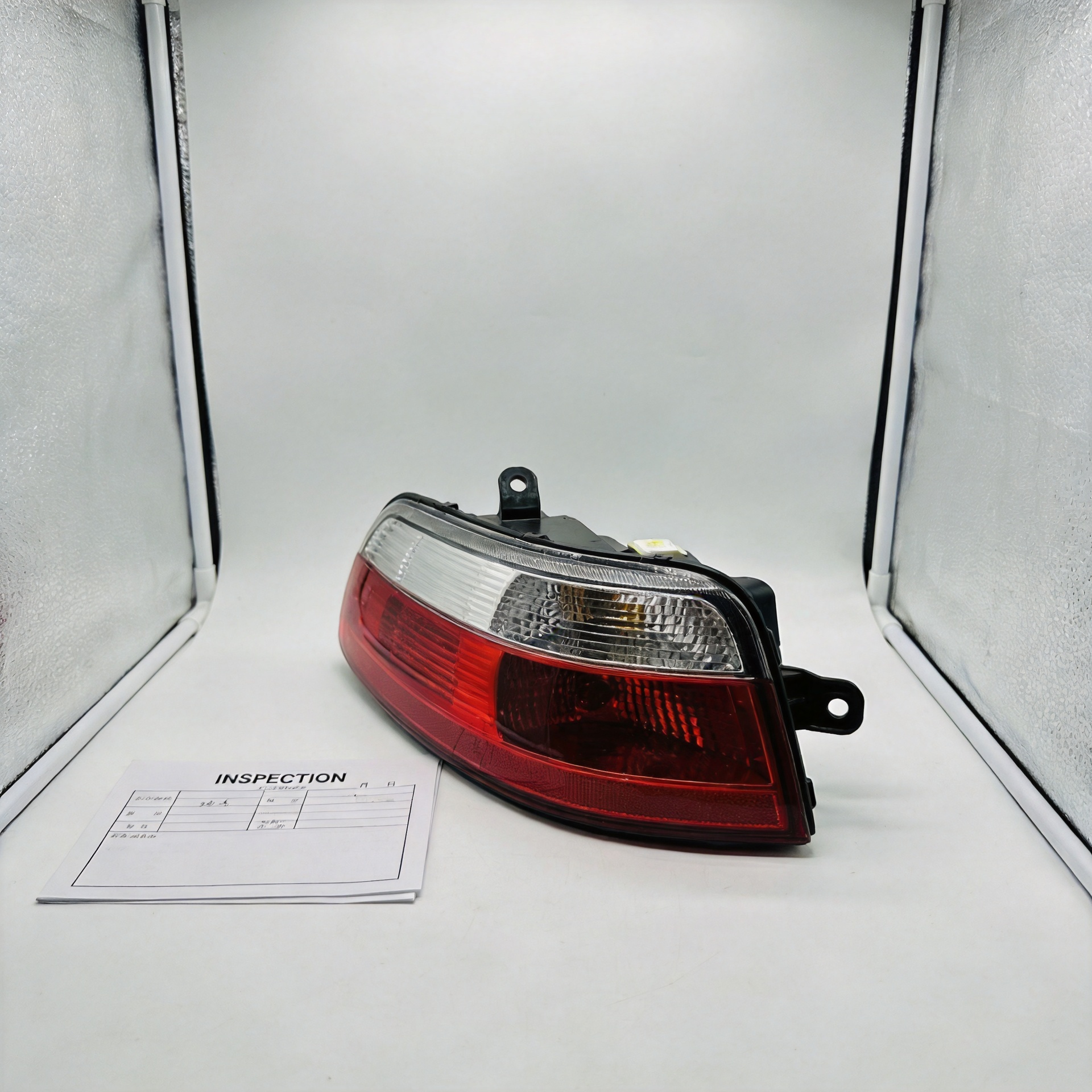
- Photos of the front lens and rear mounting area, taken square to the part.
- Whether the lamp uses halogen, HID, LED, adaptive, or another variant that can change the housing and lens geometry.
Do not rely only on a generic search term such as “BMW X3 cover.” The same vehicle line can have facelift and pre-facelift lamps, different trim packages, and market-specific versions. A good supplier can review the evidence, but the purchasing record should preserve the final application decision.
Confirm lens geometry, mounting, and sealing interfaces
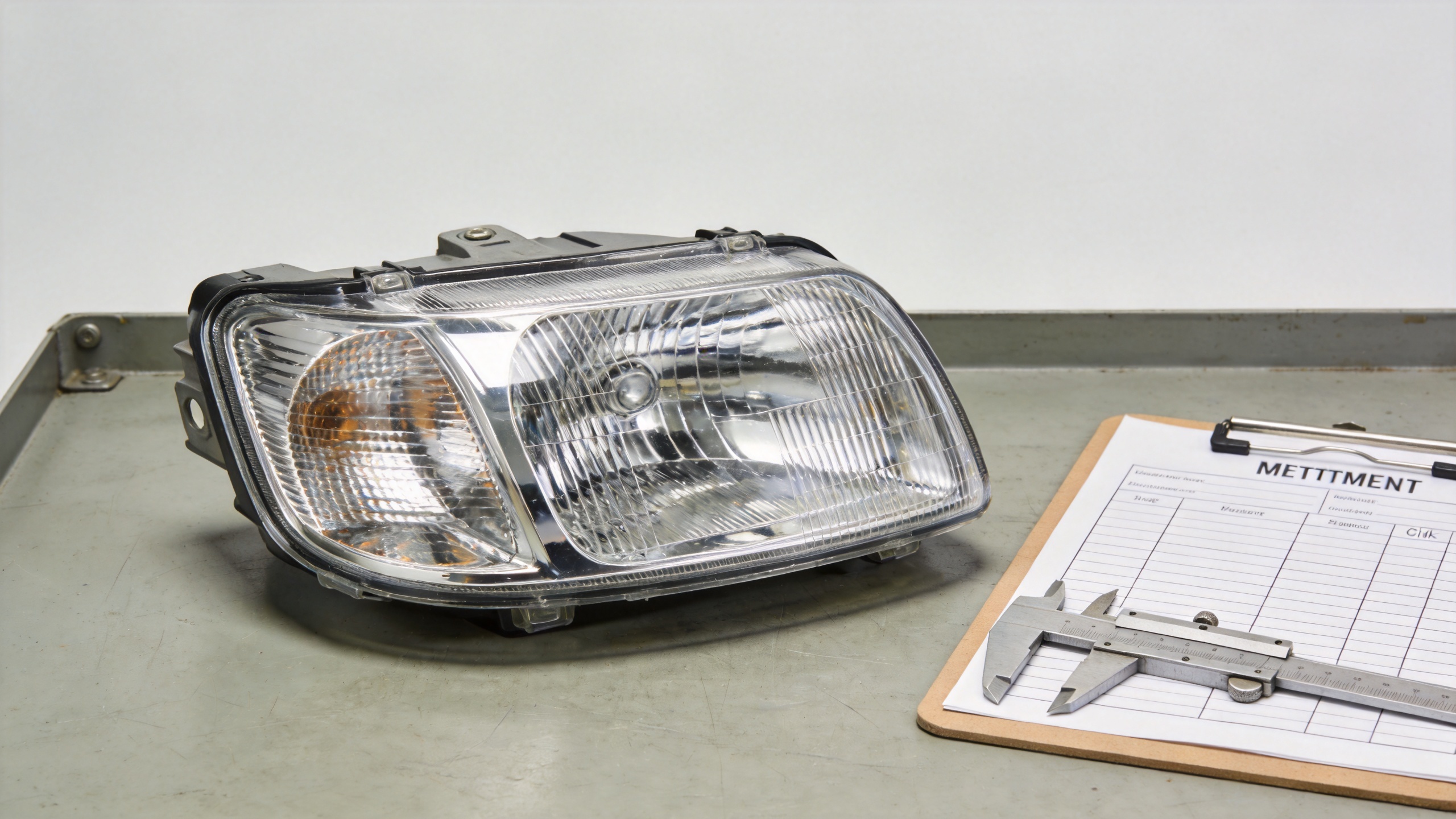
Two parts may share a similar front profile yet fail at installation because the rear perimeter, tabs, vents, or seal channel differ. For each vehicle-specific order of headlight covers for cars, compare the sample or engineering photos against the original part at several points: outer contour, corner radii, edge thickness, mounting tabs, screw or clip locations, and the interface that meets the housing seal.
Create a practical approval checklist. Include a front-view overlay or dimensional drawing where available, close-up photos of every tab, a left/right identification mark, and a record of the test housing used for trial installation. If the buyer will reseal lenses during repair, confirm the intended sealing process and make sure the edge design supports it. This is more actionable than approving only a studio photo.
Ask the right material and surface questions
Many modern lamp lenses use polycarbonate, and durability depends on more than the base resin. Protective hard coatings are relevant because UV exposure, moisture, and abrasion can affect long-term appearance. Rather than accepting a vague statement such as “high quality plastic,” ask for the material designation, any stated surface-coating information, color or transparency requirements, and the supplier’s handling recommendations.
For transparent headlight covers for cars, inspect the sample under normal lighting for haze, flow marks, scratches, bubbles, uneven gloss, and distortion around the optical area. For smoked or tinted versions, agree on the visual standard using an approved sample. Do not assume that a decorative tint is suitable for every road market or lamp configuration; confirm the intended sales use and local requirements before marketing it as a replacement solution.
Use samples to validate the exact vehicle application
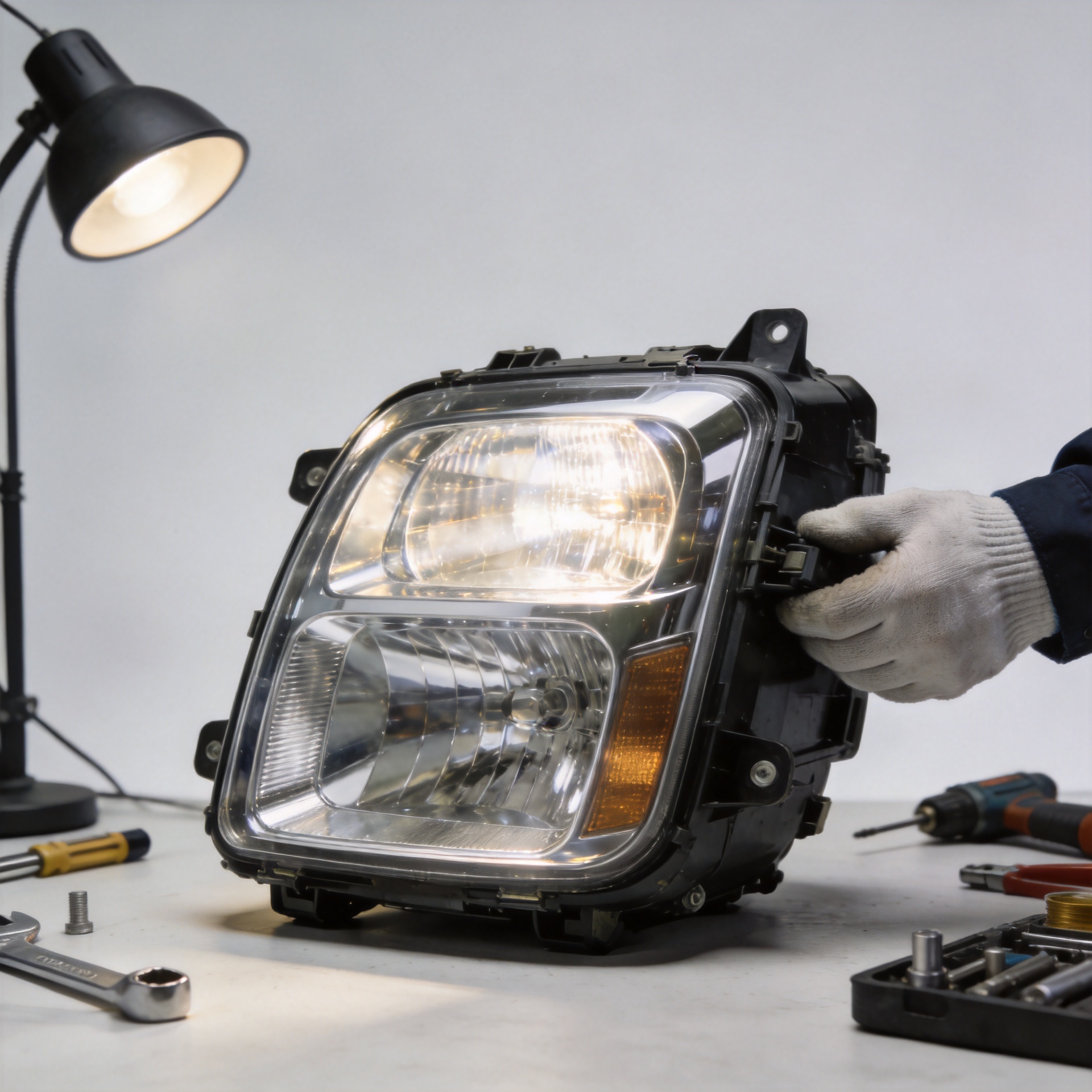
A pre-production sample is the decision point for a bulk order. Ask for the sample to be labeled with the application, side, revision, and date. Then perform a trial fit on the intended lamp housing or have the downstream repair partner do so. Record the result with photos before approving production.
For buyers sourcing a known BMW application, the product record for BMW X3 G08/G01 2021–2022 headlight lens cover provides a useful example of the level of vehicle, generation, and year detail that should appear in an order record. Treat the listing title as an application reference, then validate the actual lamp variant and side before committing to quantity.
Specify packaging for wholesale handling
Transparent lenses are vulnerable to rubbing and edge damage. Packaging requirements for headlight covers for cars should cover individual protection, left/right labeling, inner-carton quantity, outer-carton strength, and a photo standard for packed goods. If your distribution model requires pairs, state whether one carton must contain a matched left/right set or whether sides are packed separately.
Before shipment, request carton marks that show the part number, vehicle application, side, quantity, and batch reference. This makes warehouse receiving and after-sales tracing easier. A simple carton label also prevents a correct lens from being mixed with a near-identical revision.
Set incoming-inspection criteria before the goods arrive
Your inspection plan should mirror the sample approval. Check application labels, left/right orientation, quantity, protective film condition, visible surface defects, tabs, edge consistency, and random trial fit where practical. Keep any defects categorized by severity so the supplier receives usable feedback rather than a general complaint.
For repeat programs, maintain a fitment master file with approved photos, revision notes, packaging photos, and inspection records. This helps purchasing teams source headlight covers for cars consistently even when staff or suppliers change.
A practical sourcing checklist
- Define whether the item is a replacement lens, protective cover, or another component.
- Confirm make, model, generation, model year, market version, lamp type, and side.
- Collect OEM or housing references and clear original-part photos.
- Review lens contour, mounting tabs, seal interface, and left/right marking.
- Request material and surface-finish information appropriate to the target use.
- Approve a labeled sample after an actual housing trial fit.
- Lock packaging, carton marks, inspection criteria, and approved revision before mass production.
Choose a supplier process, not just a low unit price
For decision-stage buyers, a reliable sourcing outcome comes from a documented process: accurate vehicle data, sample confirmation, controlled packaging, and traceable inspection. Danyang Yeya Opto-Electronic Co., Ltd. serves automotive and motorcycle lighting buyers in export markets, with vehicle-lighting and accessory sourcing requirements in mind. When evaluating headlight covers for cars, use the checklist above to turn a broad product request into a verifiable vehicle-specific specification.