EN
EN

Car Headlight Housing: What It Does and When It Needs Replacement
A car headlight assembly is more than a place to install a bulb. Its housing supports the lamp’s optical parts, protects them from road debris and water, and helps keep the unit mounted and aimed correctly. That makes the housing an important part of safe, dependable lighting.
Parts listings can use the words housing, lens, and complete assembly differently. Before ordering, confirm what is included and match the part to the vehicle’s year, make, model, trim, and lamp configuration.
What Is a Headlight Housing?
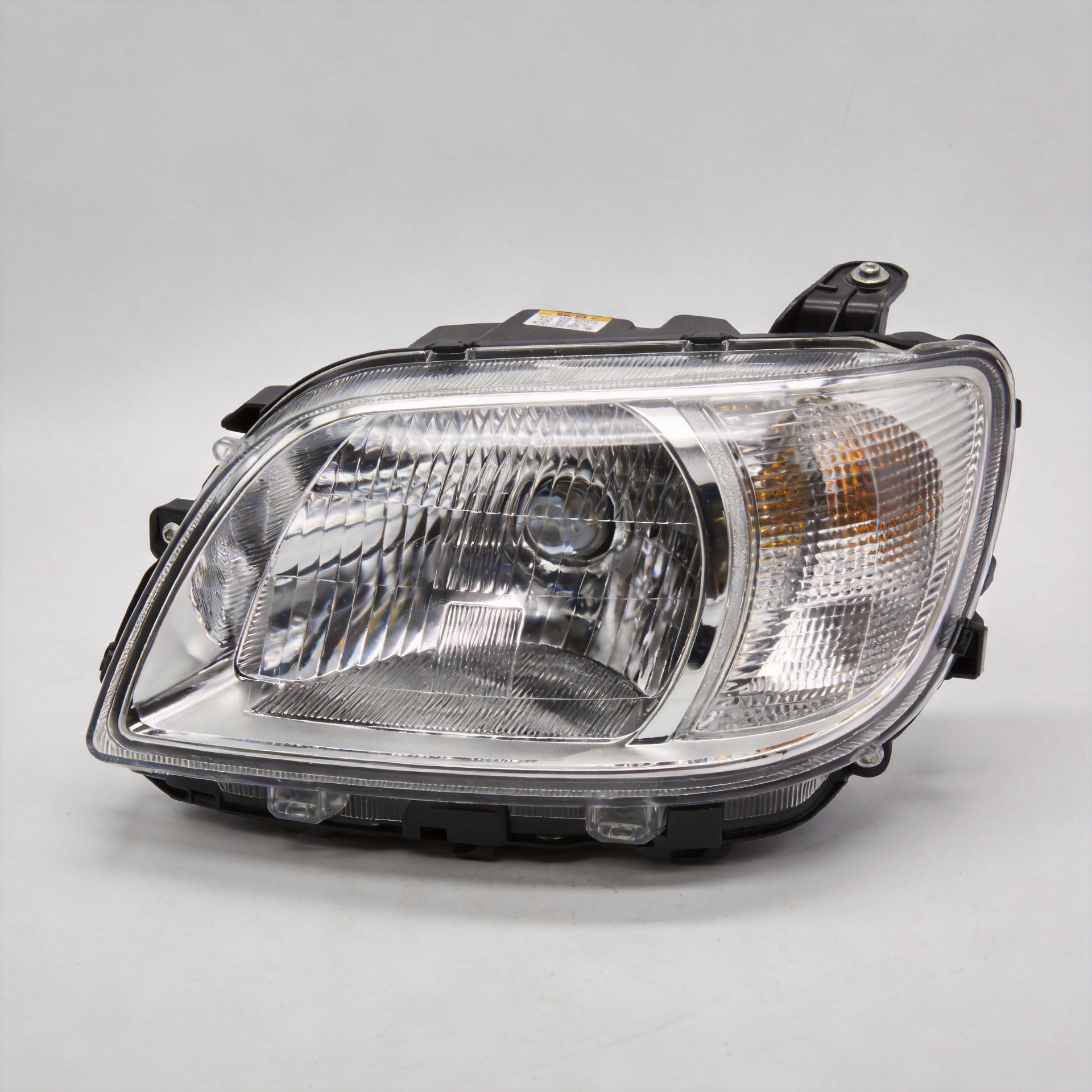
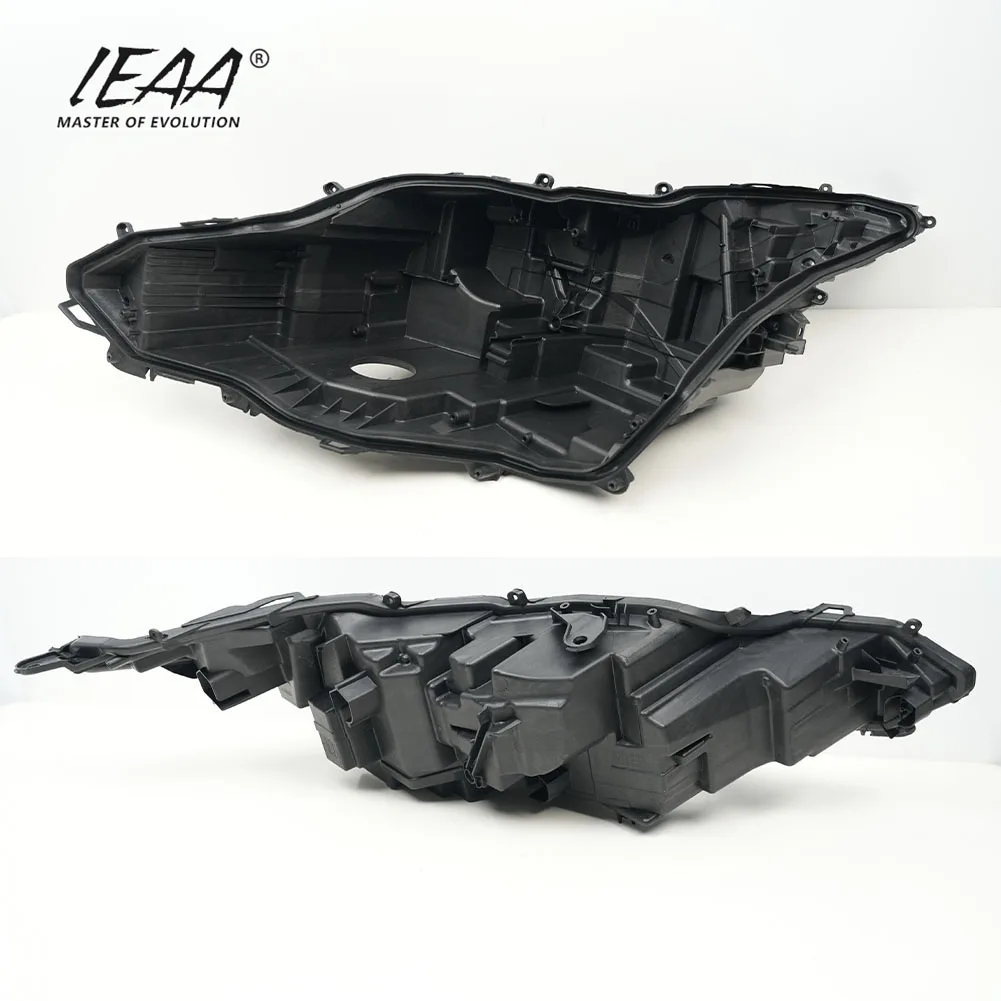
The housing is the structural enclosure behind and around the visible lens. It provides attachment points, helps locate reflectors or projector modules, and forms part of the weather-resistant boundary of the car headlight assembly. On many current vehicles, the housing, lens, seals, vents, reflectors, and mounting tabs work together as an integrated unit.
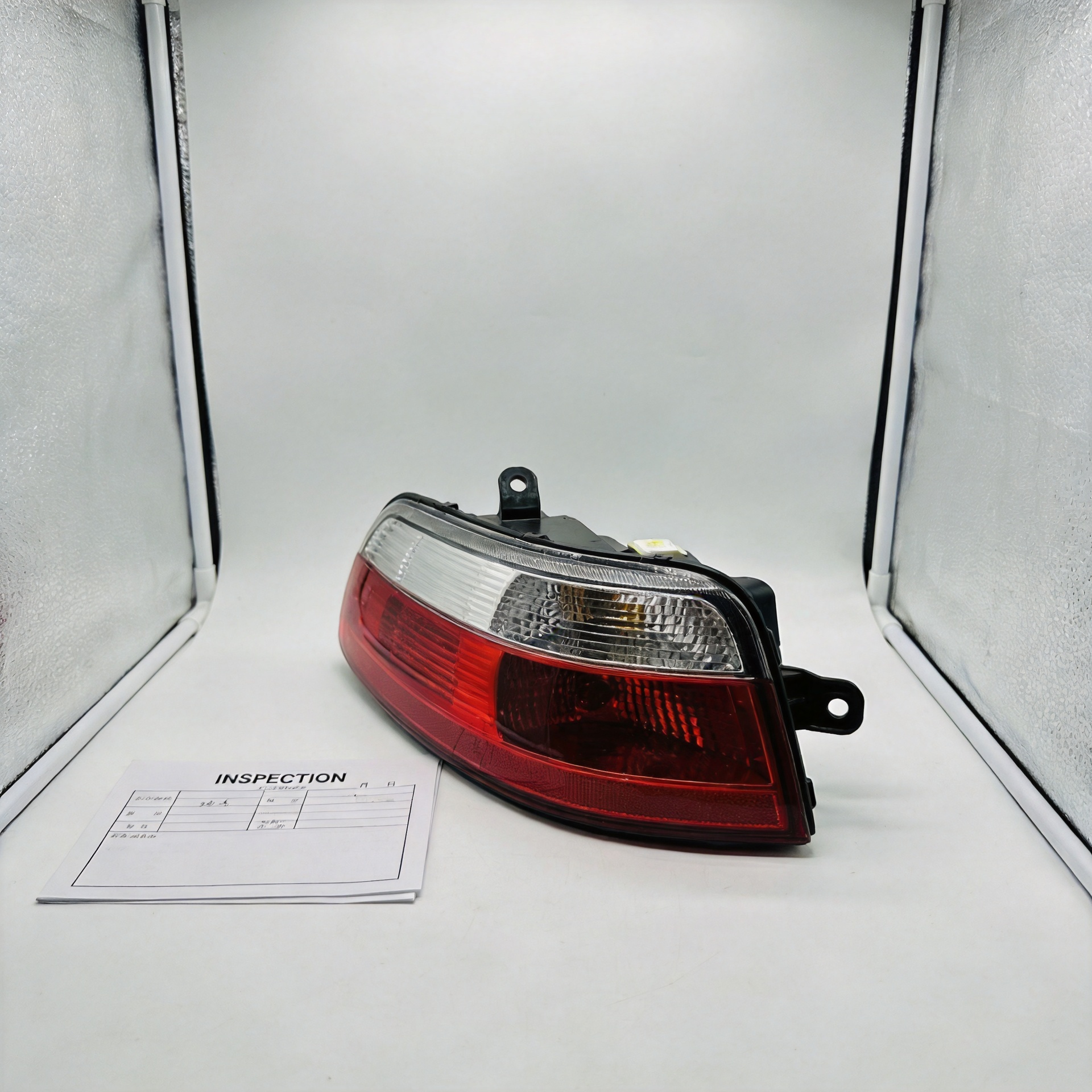
A housing-only part is not necessarily a full car headlight assembly. A complete assembly may include the housing and lens plus lighting, signal, or wiring-related components, while a rear shell may require the installer to reuse existing parts. Read the product description and inspect photos carefully instead of assuming bulbs, modules, or a lens are included.
Housing, Lens, and Complete Assembly
| Term | Typical role | What to verify |
|---|---|---|
| Headlight housing | Supports and protects internal lamp components | Mounting tabs, rear covers, vents, and compatibility |
| Headlight lens | Front transparent cover | Clouding, cracks, sealing condition, and separability |
| Car headlight assembly | Vehicle-specific complete lamp unit | Side, fitment, connector, beam layout, and included items |
This distinction matters when considering headlight housing replacement. If the lens is clear and all mounts are intact, a complete replacement may not be necessary. If the shell is cracked, warped, or cannot hold the lamp securely, replacing the affected car headlight assembly may be a more reliable decision.
What the Housing Does
The housing maintains the position of the optical system. A reflector or projector that is no longer held squarely can make aiming difficult even when the bulb works. It also provides a path for seals and vents that manage temperature changes inside the car headlight assembly, and it carries mounting tabs that secure the lamp to the body structure.
Road vibration, minor collisions, heat cycles, ultraviolet exposure, and rough removal can all affect these functions. A broken tab can make the lamp shake or sit unevenly. A cracked rear shell can permit repeated water entry. A warped housing can prevent a cover or lens from sealing correctly. Replacing a bulb alone does not correct these structural problems.
When Does a Headlight Housing Need Replacement?
Use an inspection-based decision. Headlight housing replacement is worth considering when one or more of these signs appears:
- Cracks or impact damage: Damage at the shell, lens joint, or mounting area can compromise protection and fit.
- Broken mounting tabs: If the car headlight assembly cannot be secured or its aim changes after driving, inspect the mounts.
- Persistent moisture: Temporary light fogging can occur with temperature changes, but recurring condensation, standing water, staining, or moisture that returns after drying warrants inspection.
- Heat distortion: Melted or warped areas around covers, bulb openings, or supports can affect sealing and retention.
- Internal damage after impact: A front lens can look acceptable while hidden supports or adjusters are damaged.
Separate mechanical symptoms from electrical ones. A dim lamp, warning message, or intermittent light can involve a bulb, connector, fuse, driver module, or wiring rather than the housing. Inspect the complete car headlight assembly and consult the vehicle’s service information before choosing the repair.
Fitment Checks Before Ordering
Correct fit matters more than appearance. Compare the vehicle application, left- or right-hand position, lens shape, mounting points, connector layout, and lamp technology. Determine whether the part is a shell or complete car headlight assembly, and identify which components must be transferred. For LED, HID, adaptive, or integrated electronic systems, confirm compatibility with the original configuration and use qualified service support where appropriate.
As one vehicle-specific example, buyers can compare the Lexus RX 2016–2019 triple-lens headlight housing back base with the original lamp’s fitment and component-transfer needs. Treat the listing as a fitment reference, not a substitute for checking the exact vehicle specification.
A Simple Repair-or-Replace Checklist
- Inspect the lens, shell, rear covers, seams, and vents.
- Check all mounting tabs and confirm the lamp sits securely.
- Look for water marks, corrosion, or repeated moisture after drying.
- Test lighting and connectors to distinguish electrical faults from housing faults.
- Confirm whether an individual repair is safe and available for the vehicle’s design.
- When replacement is needed, match the right car headlight assembly or housing by fitment, not by a similar photo.
Final Takeaway
The housing is a foundation of the car headlight assembly: it supports optical parts, protects the interior, and helps the lamp remain aligned and sealed. Consider headlight housing replacement when structural damage, failed mounts, recurring water intrusion, heat distortion, or unreliable sealing affects the lamp. Careful inspection and vehicle-specific fitment checks help avoid replacing more—or less—than the vehicle needs.