EN
LED DRL Lights vs. Standard Running Lights: A Practical Comparison
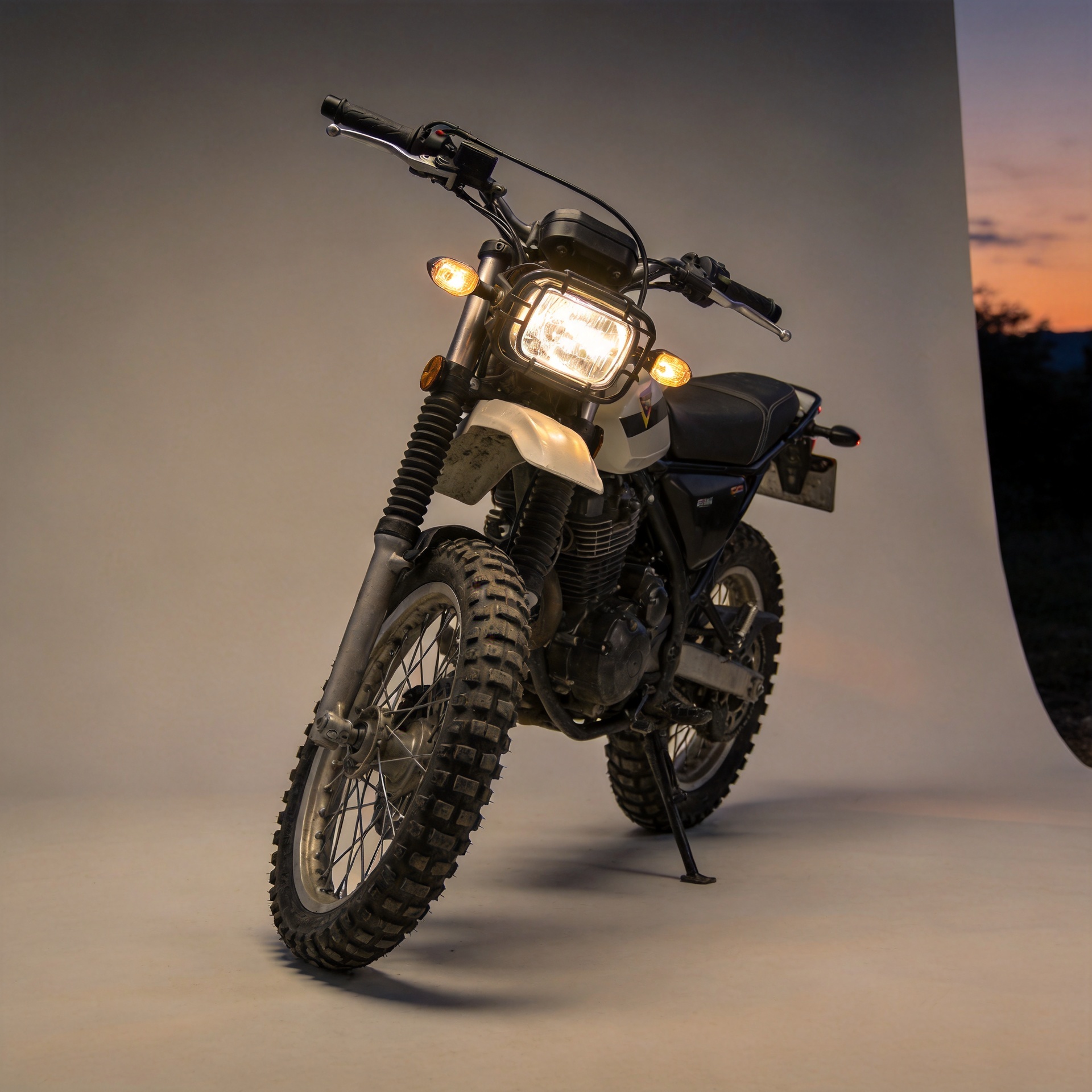
For an OEM program, a distributor catalogue, or a rider building a safer setup, it is easy to treat every forward-facing lamp as the same thing. It is not. Motorcycle off road lights, daytime running lights (DRLs), headlamps, and auxiliary spotlights can all sit at the front of a vehicle, yet they solve different visibility problems. The useful question is not simply “which is brighter?” It is whether the lamp helps other road users notice the vehicle in daylight, helps the rider see at night, or does both without creating glare or compliance problems.
This comparison looks at LED DRLs and standard running lights through the lens of design, use conditions, light control, and sourcing decisions. It also explains where adventure motorcycle spotlights fit in, because a high-output trail lamp is not automatically a substitute for a dedicated DRL.
Start with the job: being seen versus seeing ahead
An LED DRL is primarily a conspicuity lamp. Its job is to create a recognizable, forward-facing signature in daytime traffic. A well-designed DRL generally emphasizes a controlled white output, a defined illuminated area, stable electrical behavior, and an installation position that makes the vehicle easy to notice from normal approach angles.
Standard running lights are a broader category. On motorcycles and off-road vehicles, the term may describe a low-intensity position lamp, a headlamp operating during the day, or an auxiliary lamp that remains on while riding. Some standard lamps improve daytime visibility, but their main optical system may have been designed for roadway illumination rather than daytime recognition.
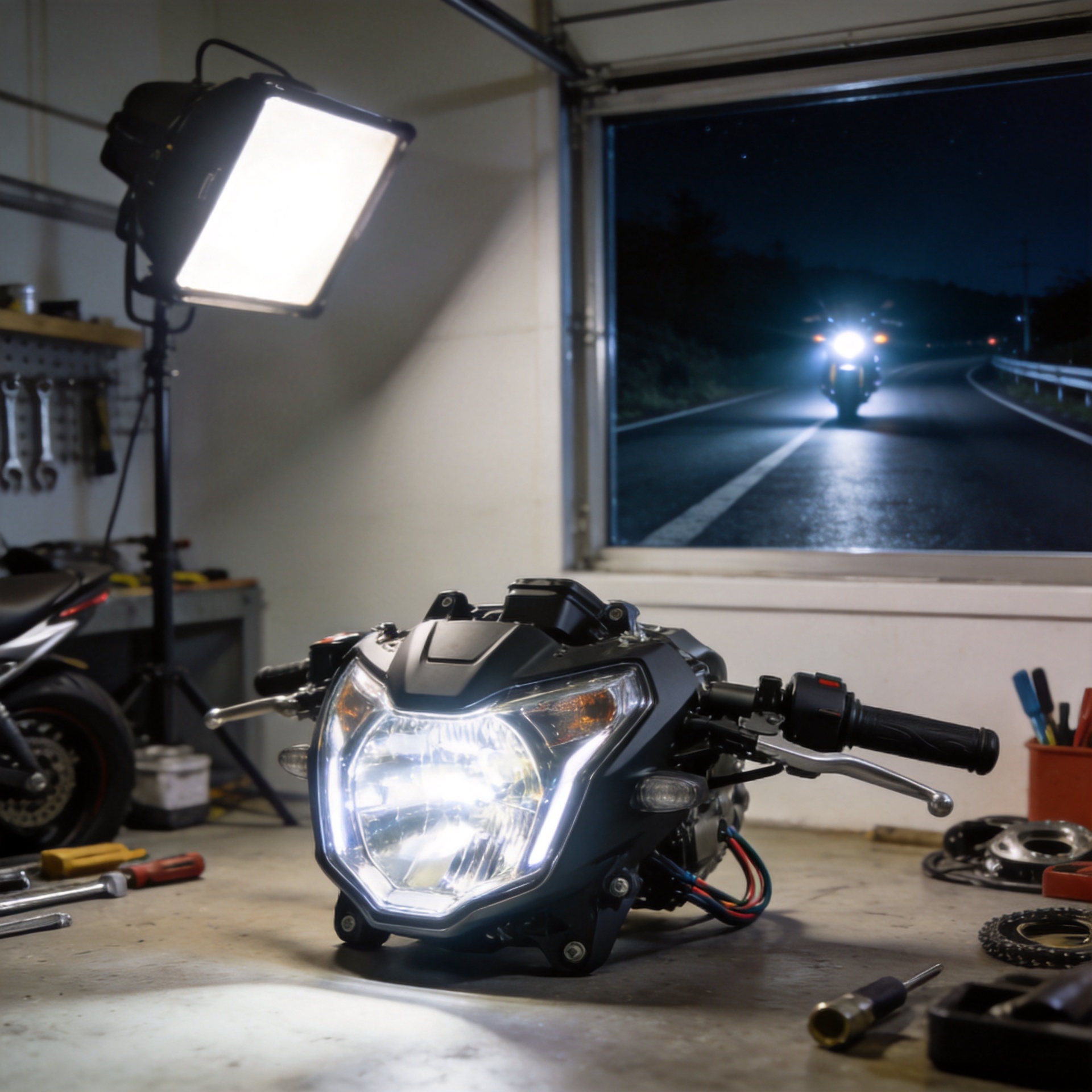
That distinction matters for motorcycle off road lights. A driving beam or spot beam can add useful reach on unlit trails, while an LED DRL provides a more consistent daytime presence. Combining functions can be practical, but only if the beam pattern, switch logic, heat management, and local rules have been reviewed separately.
How LED DRLs differ in construction and optical behavior
| Selection point | LED DRL | Standard running or auxiliary light |
|---|---|---|
| Primary purpose | Daytime conspicuity | Position indication, forward illumination, or supplemental reach |
| Beam pattern | Broad, controlled visible signature | Varies from diffuse marker output to focused spot or driving beam |
| Daytime use | Designed to be noticed without overpowering other traffic | May be effective, but depends heavily on optic and aiming |
| Night use | Not intended to replace a headlamp | May support a headlamp or trail lighting when correctly aimed |
| System integration | Often needs daytime/nighttime dimming or switching logic | May need a dedicated relay, switch, or high/low-beam trigger |
The LED advantage is not just energy use. LEDs allow compact form factors, fast response, and distinctive light guides or segmented signatures. However, good DRL performance still depends on the optic. A lamp that is extremely bright on-axis but difficult to see off-axis may perform poorly in real traffic. Conversely, a very wide uncontrolled light can distract approaching drivers.
For a market that follows UNECE-style requirements, public technical guidance commonly cites a daytime running-light framework in the approximate 400–1,200 candela range for certain motorcycle applications. That is not a global shortcut for compliance: mounting height, spacing, marking, vehicle category, and the target market all matter. Treat the figure as a reason to verify the specification, not as a universal purchasing rule.
Where standard running lights and adventure spotlights make sense
Standard running lights work well when the design brief is simple position visibility or when the vehicle’s existing headlamp is already the intended daytime signature. They can also be useful in a compact retrofit where wiring capacity, mounting space, and budget are constrained.
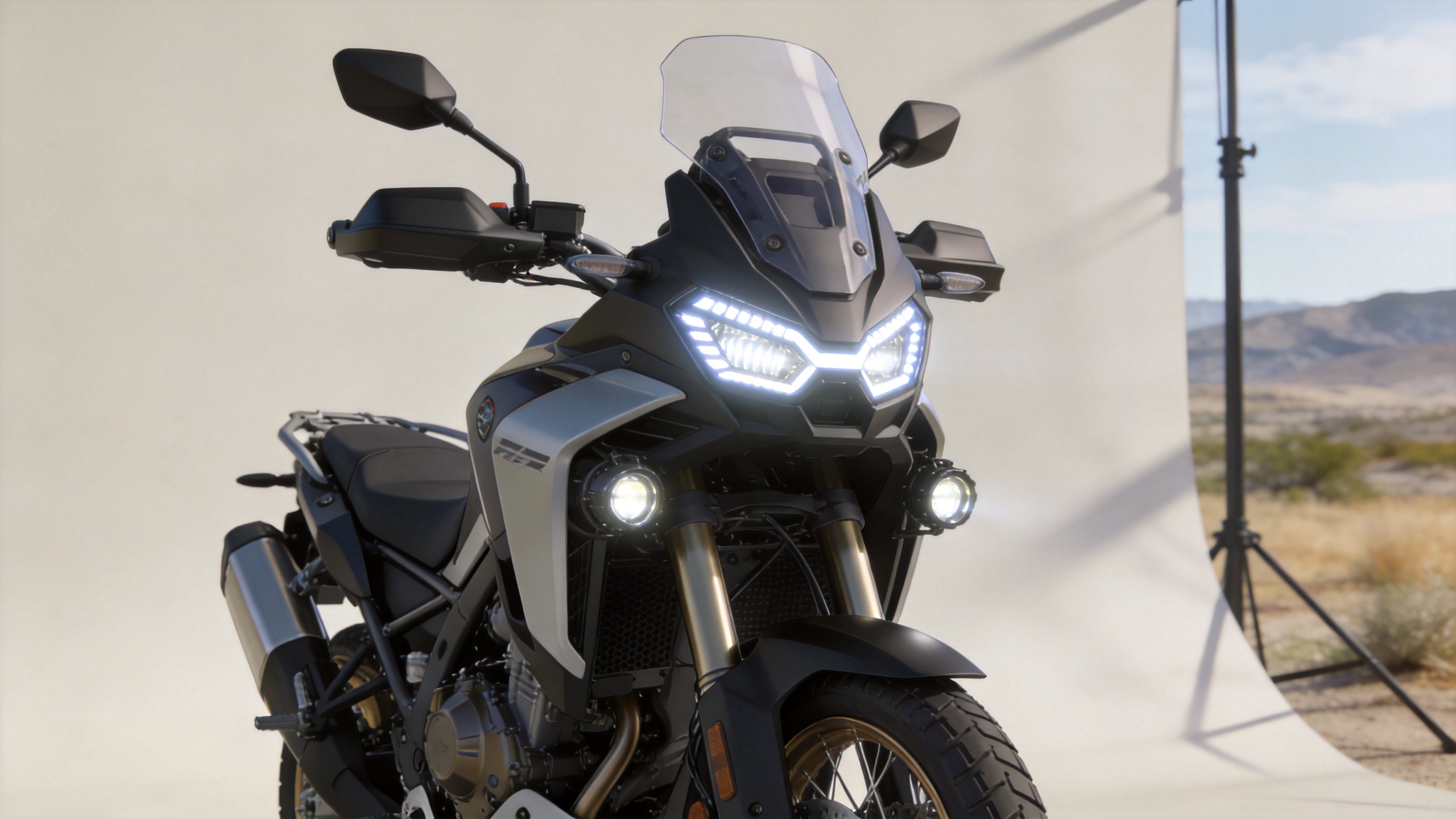
Adventure motorcycle spotlights are different again. Riders and fleet buyers usually consider them for peripheral illumination, trail reach, weather visibility, or a wider near-field view. For motorcycle off road lights, the important questions are beam shape and aiming rather than headline lumen claims. A narrow spot can reach farther but can create intense hot spots; a flood pattern can reveal close terrain but may reflect more light in dust, rain, or fog.
In practice, a dedicated DRL can complement a standard headlamp and an auxiliary spotlight package: DRL for daytime noticeability, headlamp for legal road illumination, and auxiliary lighting for the conditions where it is permitted and genuinely needed. The three functions should not be marketed or specified as interchangeable.
A practical comparison checklist for buyers and OEM teams
- Define the operating environment. Separate city commuting, highway travel, mixed-surface touring, and private off-road riding. The correct motorcycle off road lights configuration changes with the environment.
- Check the intended function first. Ask whether the lamp is a DRL, position lamp, headlamp supplement, or off-road-only auxiliary light. A clear function reduces specification mistakes.
- Review optical control. Compare beam pattern, cutoff behavior, visibility angle, and potential glare—not only wattage or lumen figures.
- Plan the electrical interface. Confirm voltage range, polarity protection, connector type, relay requirement, and whether dimming is needed when the main headlamp turns on.
- Confirm installation and legal fit. Mounting position, aiming, local road rules, and approval markings should be checked for every destination market.
- Evaluate serviceability. For wholesale and OEM programs, consistent brackets, repeatable wiring, replacement availability, and packaging documentation can matter as much as the lamp itself.
Using matched product data responsibly
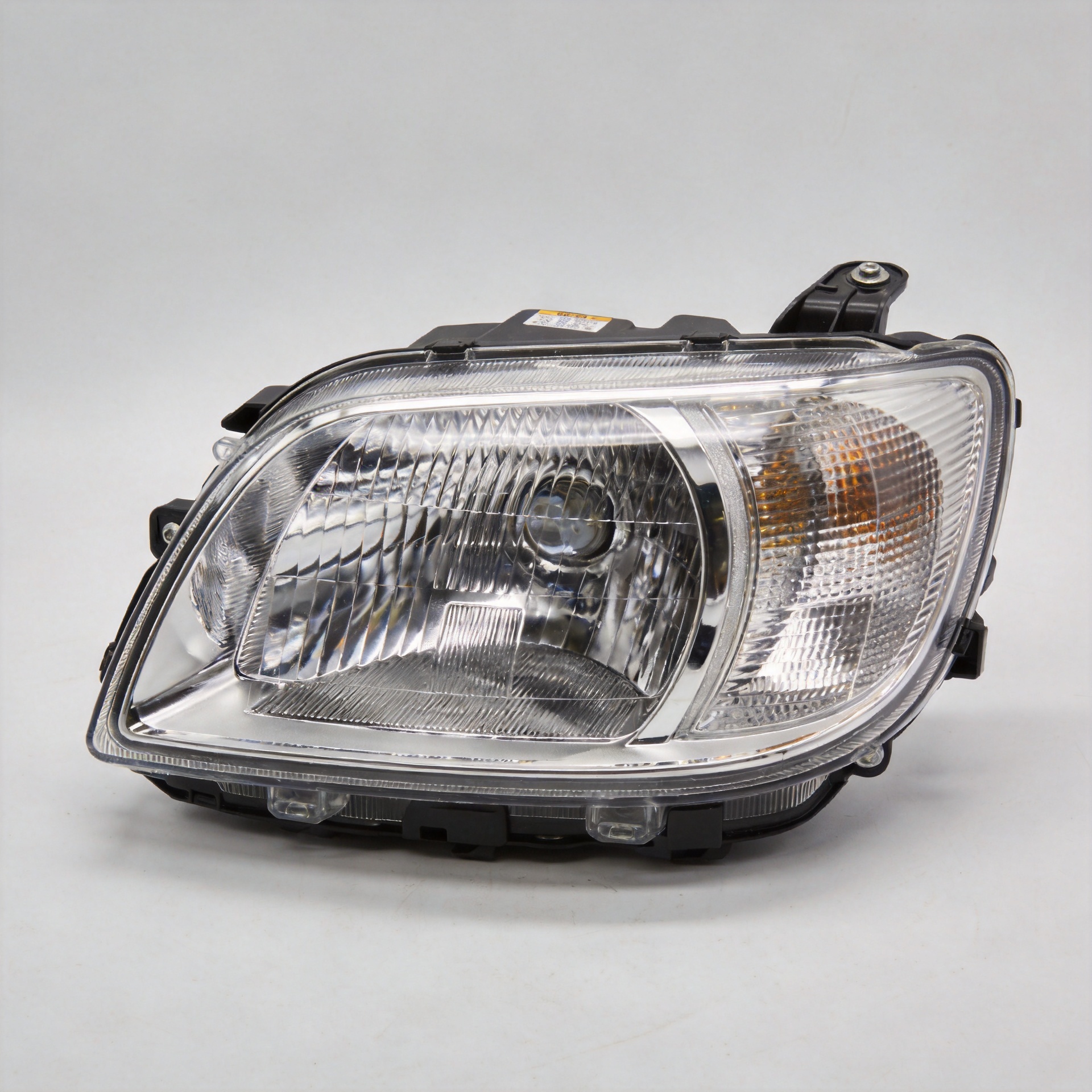
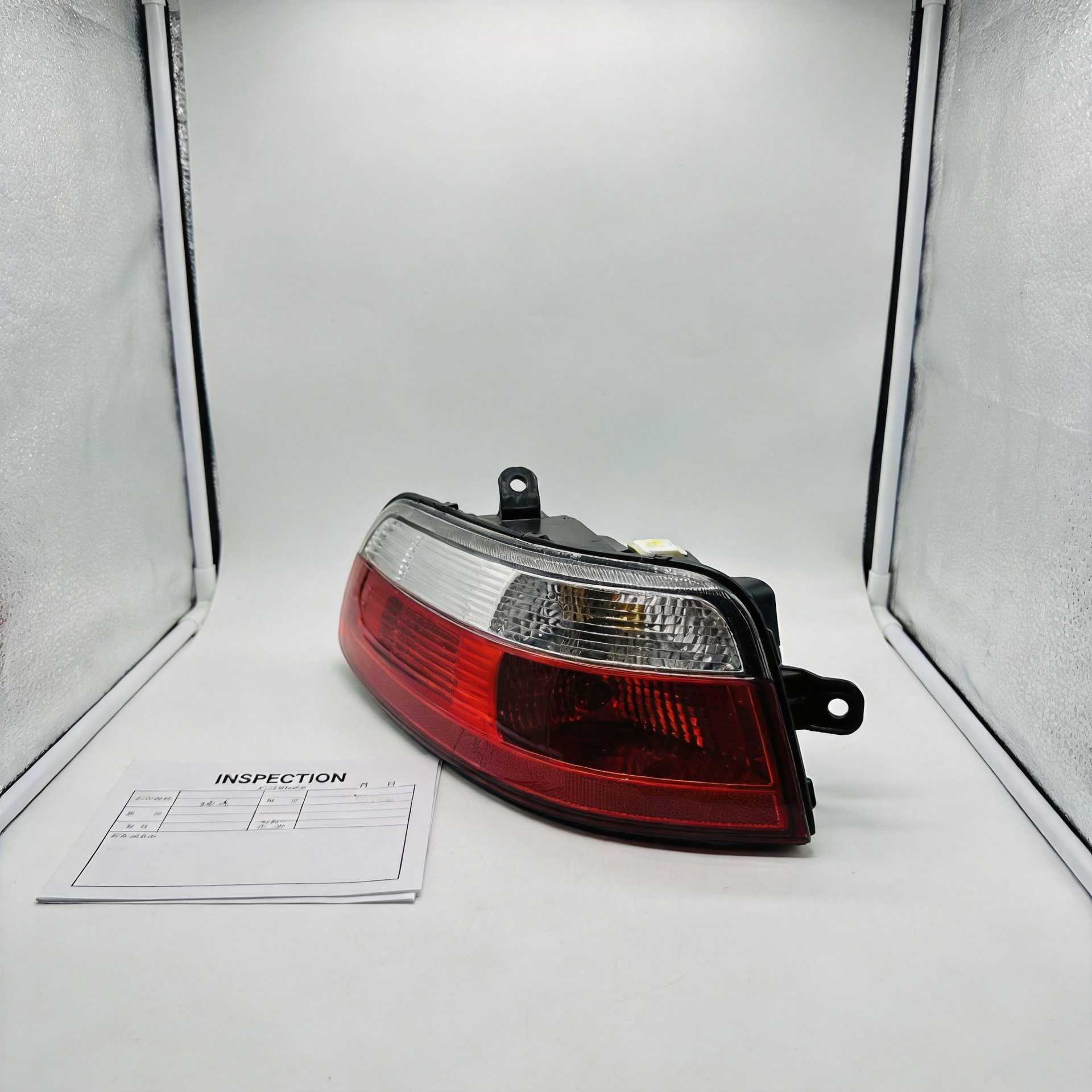
For vehicle-specific projects, product fitment must be confirmed rather than assumed from a generic lamp category. One example of a product record available for evaluation is the BMW E46 LED headlight with DRL and turn-signal lighting. Its listing is relevant as a vehicle-specific example of integrated lighting functions; it should not be used to infer motorcycle fitment, approval status, or performance claims beyond its published product information.
Field questions for motorcycle off road lights
Use the same review discipline for every motorcycle off road lights project. Define whether the vehicle is used mainly on public roads, mixed routes, or closed trails. For road-biased motorcycle off road lights, daytime signature, glare control, and switching behavior deserve as much attention as nighttime reach.
- Will the motorcycle off road lights operate in daytime traffic, and is their output suitable for that purpose?
- Can the motorcycle off road lights be aimed independently from the headlamp and DRL?
- Does the motorcycle off road lights harness support a reliable control strategy?
- Have buyers separated a road-legal DRL request from an off-road motorcycle off road lights request in the RFQ?
For distributors, catalogue DRLs as visibility lighting and motorcycle off road lights as auxiliary or trail lighting. This reduces the chance of selecting a focused beam when the real need is daytime conspicuity. When reviewing adventure motorcycle spotlights, identify whether the optic is spot, flood, combination, or conspicuity-oriented; high output does not replace a suitable beam pattern.
Before production approval, document the intended use, beam type, daytime and nighttime modes, vehicle voltage, cable length, bracket geometry, and destination market. During installation validation, check clearance at steering lock and suspension travel, then assess the motorcycle off road lights from both rider height and an opposing approach direction. A DRL-plus-auxiliary package should keep the DRL requirement separate from the motorcycle off road lights requirement, even if components share a housing family.
Choose the lighting architecture, not just a lamp
LED DRLs are the stronger choice when daytime recognition is the priority and a controlled, purpose-built visual signature is needed. Standard running lights can be appropriate for basic visibility or integrated lamp systems. Auxiliary and motorcycle off road lights should be selected for their actual beam task—especially when night trail use is part of the brief.
For sourcing teams, a strong result is usually a documented lighting architecture: function definitions, photometric targets, wiring behavior, mounting requirements, and market-specific compliance checks. That approach makes it easier to compare samples fairly, avoid glare issues, and offer riders a setup that is practical in both daylight and low-light conditions.