EN
EN
Why Headlight Lenses Yellow Over Time and How PC Covers Prevent Damage
Picture this: a vehicle that looked sharp when it rolled off the lot, but now its headlights have taken on a murky, amber-tinted haze that no amount of washing seems to fix. This is one of the most common issues that automotive parts buyers encounter but the cause is more technical than most expect. Choosing the right headlight protector addresses the root cause at a material level, not just the symptom. For wholesale distributors and OEM procurement teams, understanding why lens yellowing happens makes sourcing decisions for headlight covers for cars more precise and grounded in material evidence.
What Actually Causes Headlight Lenses to Yellow?
Modern vehicle headlights use polycarbonate (PC) plastic lenses rather than glass. OEM manufacturers chose PC because it is roughly 250 times more impact-resistant than glass, lightweight, and capable of complex optical shaping. The trade-off is that polycarbonate absorbs ultraviolet radiation at around 280 nm, triggering a photochemical reaction called photo-Fries rearrangement. This gradually breaks down polymer chains at the lens surface, creating colored byproducts and the characteristic yellow haze buyers recognize as a common warranty concern. Without an effective headlight protector, this degradation is difficult to stop once the factory coating fails.
Three compounding mechanisms accelerate the process:
- UV radiation: The thin UV-blocking factory coating on OEM lenses begins degrading within three to five years. Once this barrier breaks down, the bare PC substrate is exposed to continuous UV bombardment, making a quality headlight protector the most practical defense available to fleet buyers and aftermarket distributors.
- Thermal cycling: Daily heat cycles from engine operation and overnight cooling create micro-stress at the lens surface. Thousands of these cycles open micro-cracks that accelerate UV and moisture penetration, compounding the yellowing effect — a pattern that proper head light covers are designed to interrupt.
- Oxidation: Exposed PC reacts with atmospheric oxygen, particularly after the UV coating fails. This oxidation layer is the opaque, yellowed surface that restoration products attempt to sand away — but that a durable headlight protector prevents from forming in the first place.
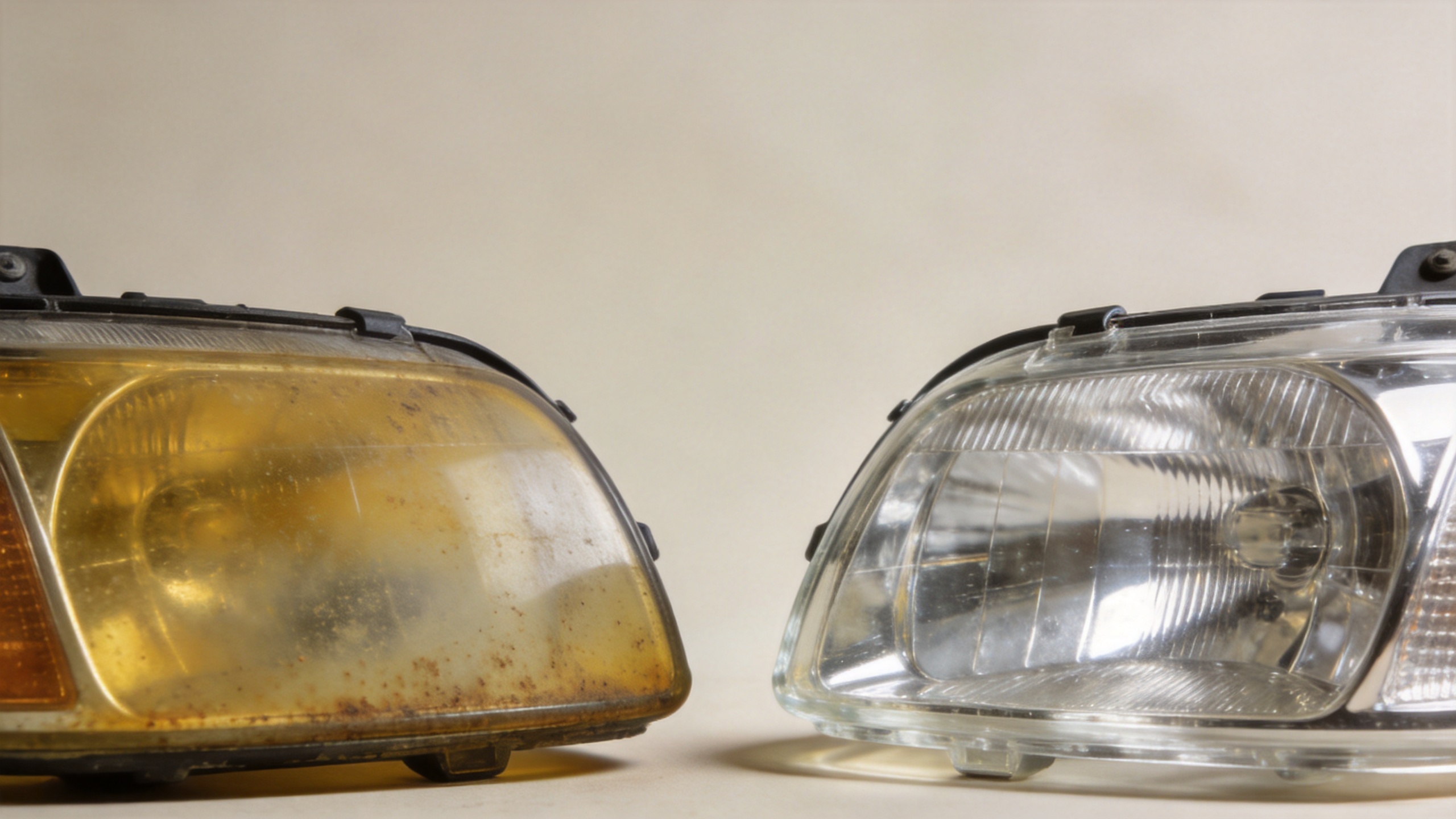
After examining headlight assemblies at multiple service life stages, the timeline becomes predictable: early haziness at three years, visible yellowing by five to seven years — regardless of washing or care. This is a materials issue, not a maintenance one.
How Much Does Yellowing Actually Affect Performance?
According to AAA research, severely yellowed or clouded headlights can produce as little as 20 percent of the light they generated when new. A separate analysis found oxidized lenses can reduce nighttime visibility by as much as 70 percent.
For fleet procurement managers and wholesale distributors, those figures represent direct liability exposure. A vehicle relying on yellowed headlights effectively has parking-mode visibility while driving at speed. For buyers already stocking restoration kits, it is worth evaluating whether headlight covers for cars — specifically clear PC direct-replacement lens covers — offer a more durable and predictable outcome beyond the five-year mark, where restoration provides only temporary improvement.
PC vs PMMA: Why the Cover Material Matters
Not all head light covers are manufactured from equivalent materials, and the distinction has real-world consequences for B2B buyers. The two most common options are polycarbonate (PC) and polymethyl methacrylate (PMMA, also called acrylic). Comparing them is like contrasting a polycarbonate safety visor with a glass display pane — both are optically clear, but they respond differently to impact and sunlight.
| Property | PC (Polycarbonate) | PMMA (Acrylic) |
|---|---|---|
| Impact resistance | ~250× higher than glass | ~10× higher than glass |
| UV stability (uncoated) | Yellows without UV stabilizer | Excellent — up to 25–30 years outdoors |
| Heat resistance | Higher | Lower |
| Optical clarity (initial) | High | High |
| Typical use in headlight protector | High-impact environments, highway use | High-UV climates, lower stone chip risk |
A clear, undamaged headlight protector is not automatically resistant to UV degradation — the cover material must be matched to the dominant stress condition in the target market. In high-impact environments such as highway freight corridors or rural roads with significant gravel exposure, UV-stabilized PC covers are the stronger procurement choice. In high-UV tropical or desert climates where stone chip risk is lower, PMMA covers offer naturally superior UV longevity without requiring an additional coating treatment.
How PC Protective Covers Prevent Lens Damage
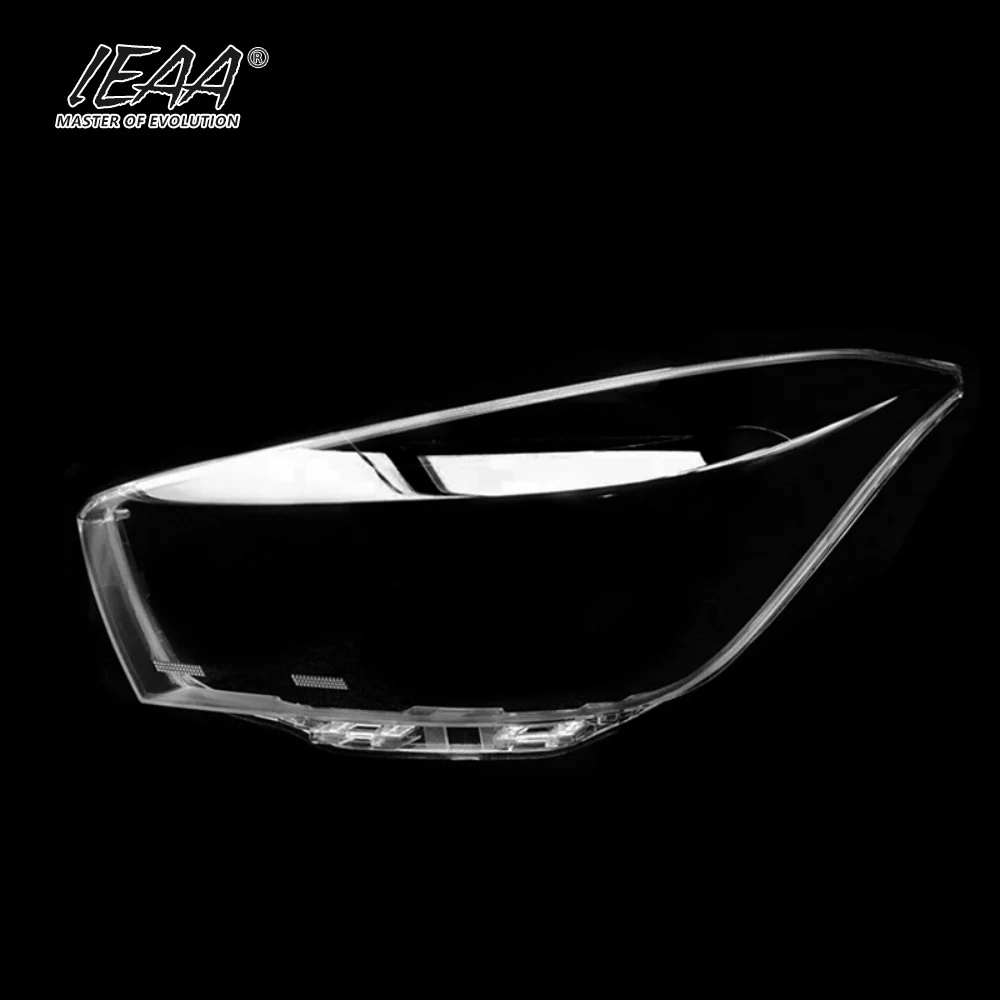
A quality PC headlight protector works through a combination of physical and optical barriers. Mounted externally over the original headlight assembly, the cover intercepts UV radiation, airborne particulates, road debris, and moisture before they reach the OEM lens surface. The cover itself absorbs or reflects the UV energy responsible for photo-Fries degradation in the underlying PC lens.
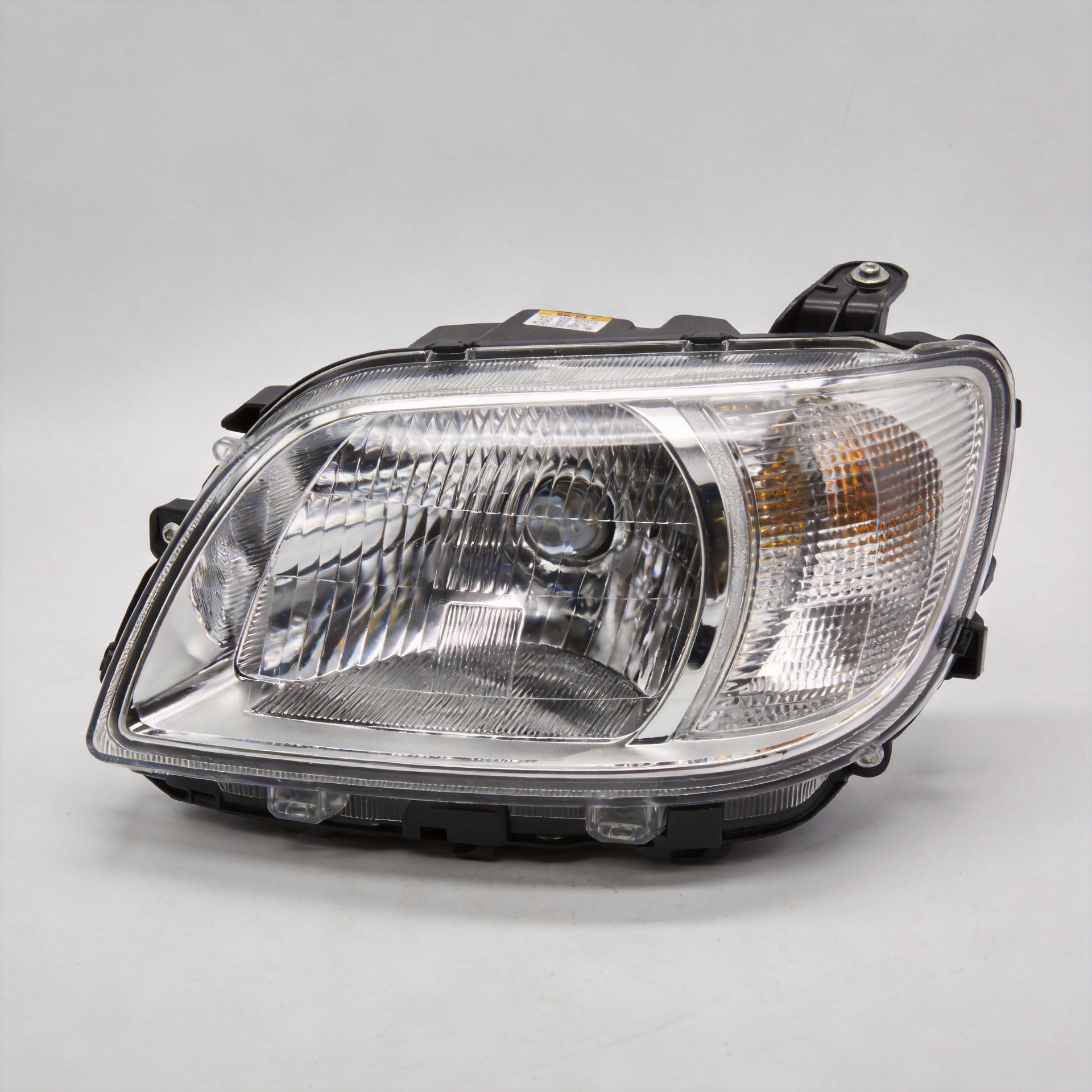
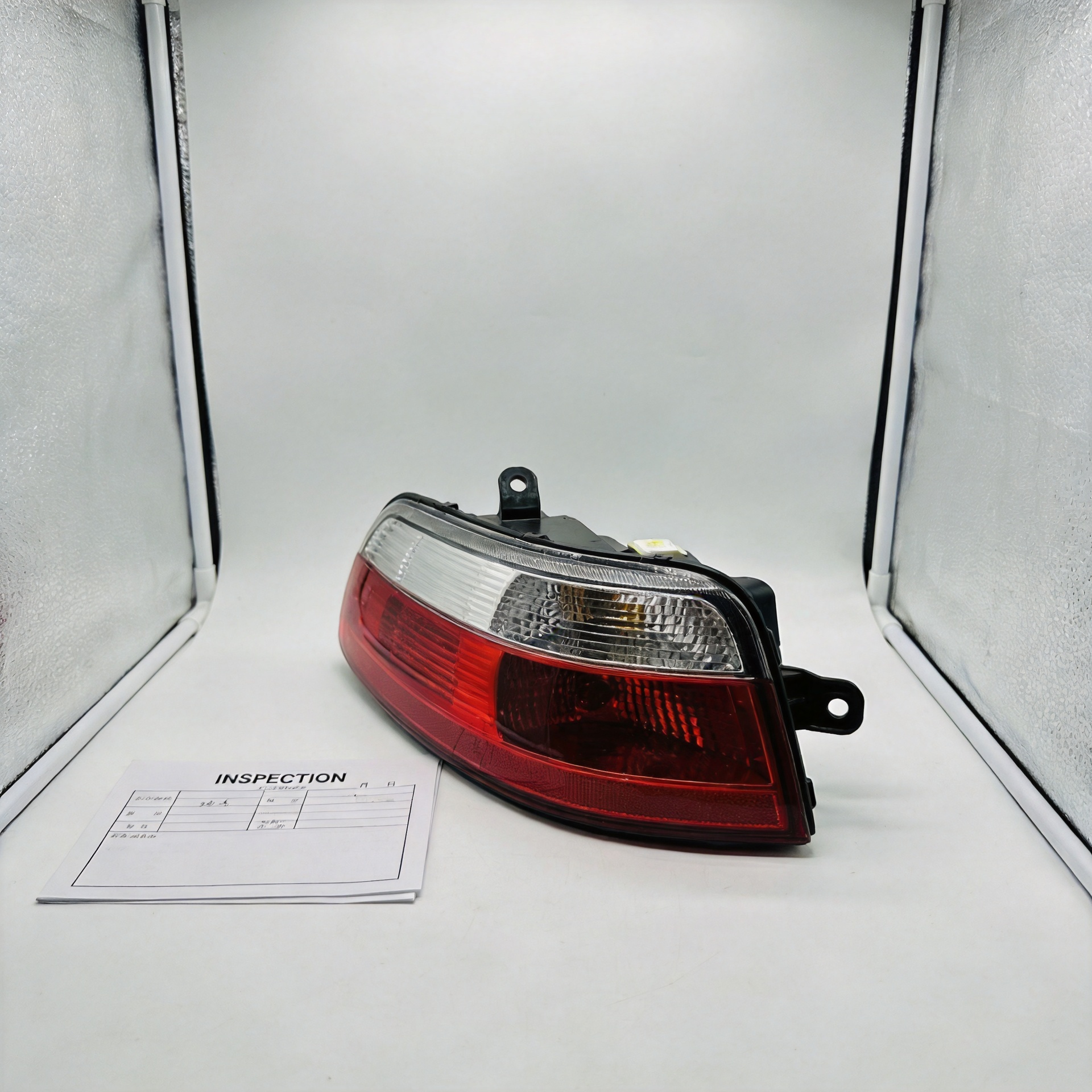
Direct-fit headlight covers for cars, engineered as model-specific replacements rather than universal overlays, restore the original optical geometry of the headlight housing. When the OEM lens has yellowed beyond effective restoration, a clear PC replacement brings light transmission back toward the factory specification. For wholesale buyers procuring head light covers at scale, model-specific fitment eliminates the installation inconsistencies and moisture ingress risks that come with generic universal products.
For popular vehicle models in the Chinese automotive aftermarket, examples of precision-fit PC replacement covers include those designed for the Chery Tiggo 7 (2015–2019) and the Chery Tiggo 5X (2019–2020) , each designed as a direct drop-in replacement that does not require modification to the headlight housing.
When Should Headlight Protector Covers Be Replaced?
Replacement timing depends on climate, vehicle usage, and the condition of existing lenses. For procurement planning, a practical reference framework for headlight protector replacement cycles:
- Inspection at 3 years: Check for early lens haziness or micro-cracking at cover edges. In high-UV regions — southern latitudes, desert climates — visible yellowing in the absence of a headlight protector may appear sooner than the industry average.
- Replacement consideration at 5–7 years: By this stage, factory UV coatings on most OEM lenses have significantly degraded. If light output testing indicates reduced beam intensity, a direct-replacement PC headlight protector cover provides more predictable long-term results than restoration.
- Immediate action when yellowing exceeds 30% of lens surface: At this threshold, restoration products cannot fully reverse underlying polymer degradation. Model-specific PC replacement covers — including a broad range of headlight covers for cars for popular models — offer a faster, more durable solution with predictable installation outcomes.
For fleet managers and wholesale buyers, embedding a headlight protector replacement schedule into preventive maintenance intervals reduces safety incidents and simplifies inventory planning compared to a reactive, complaint-driven replacement model.
Conclusion: Prevention Over Restoration
Headlight lens yellowing is a predictable consequence of polycarbonate's UV sensitivity, thermal cycling fatigue, and oxidation — not a manufacturing defect. Understanding this allows distributors, fleet procurement teams, and OEM buyers to make better-informed sourcing decisions: selecting headlight protector covers with appropriate UV stabilization, matching cover materials to regional environmental conditions, and building replacement cycles into maintenance programs before safety thresholds are crossed.
YIAALUX manufactures direct-replacement automotive headlight covers and PC lens assemblies for wholesale and OEM customers across Europe, North America, South America, and Asia. Model-specific fitment designs, clear polycarbonate construction, and drop-in replacement compatibility support efficient installation with consistent, measurable results. Contact our team to discuss sourcing options for your vehicle range or fleet program.