EN
What Are Daytime Running Lights and Why Do Vehicles Use Them?
Daytime running lights (DRLs) are front-facing lamps that switch on automatically when a vehicle is operating. Their job is simple: make the vehicle easier for other road users to notice in daylight. They are not designed to light the road like headlights, and they are not the same thing as fog lights for bikes or cars. That distinction matters because each lamp has a different purpose, beam pattern, and operating condition.
For vehicle owners, fleet buyers, and lighting distributors, DRLs are usefully understood as a conspicuity feature. They create contrast between a moving vehicle and the road environment, helping approaching drivers, pedestrians, and cyclists pick it out sooner in bright sun, cloud cover, light rain, or the visual clutter of urban traffic.
What Is a Daytime Running Light?
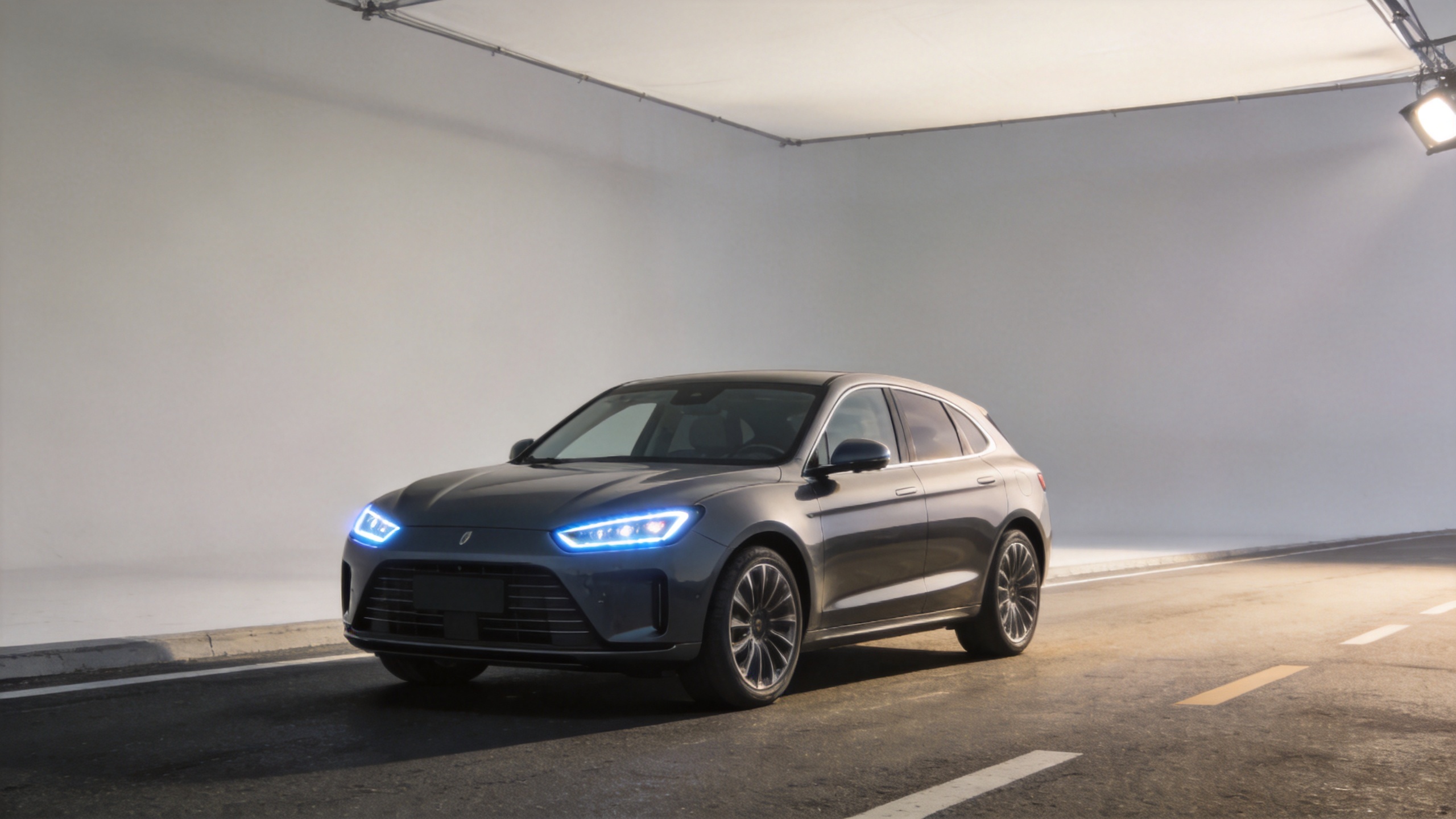
A DRL is typically a low-intensity light mounted at the front of a vehicle. Modern designs often use LEDs because they are compact, energy-efficient, and easy to integrate into a headlamp assembly. Depending on the vehicle, the DRL may appear as a light bar, a ring around the projector, a signature-shaped strip, or a dedicated lamp module.
The key point is that a DRL is about being seen, not seeing farther. A low beam projects usable light onto the road at night. A fog lamp is designed for specific low-visibility conditions and needs careful aiming to control glare. DRLs instead provide a recognizable front-facing signal during the day. In U.S. interpretation material, daytime-running-lamp functionality is treated separately from parking lamps and fog lamps, which reinforces why these functions should not be treated as interchangeable.
Why Vehicles Use DRLs
Daylight does not necessarily mean high visibility. A dark-colored car can blend into asphalt, tree shade, a tunnel entrance, heavy traffic, or a gray overcast background. In these situations, a small illuminated signature can make the vehicle stand out sooner. The goal is not to claim that DRLs prevent every collision; it is to improve the chance that other people recognize the vehicle earlier and judge its position more easily.
This is especially relevant when a vehicle is approaching from the opposite direction, turning at an intersection, or moving through changing light. Think of the DRL as a visual identifier: like a high-contrast outline, it makes the vehicle easier to separate from the background before the other road user needs full headlamp illumination.
DRLs, Headlights, and Fog Lamps: A Practical Comparison
| Lighting function | Main purpose | Typical use | What it should not replace |
|---|---|---|---|
| Daytime running lights | Make the vehicle more noticeable | Daytime driving and low-contrast daylight | Night-time headlights or tail lamps |
| Low-beam headlights | Illuminate the road ahead while limiting glare | Night driving, tunnels, rain, and low visibility | A correctly aimed fog lamp where one is needed |
| Fog lamps | Provide a low, controlled beam for certain poor-weather conditions | When local rules and conditions call for them | Regular driving lights or DRLs |
| Motorcycle auxiliary / fog lights | Supplement a motorcycle lighting system for a defined use case | Model- and market-specific installations | Vehicle DRLs on a passenger car |
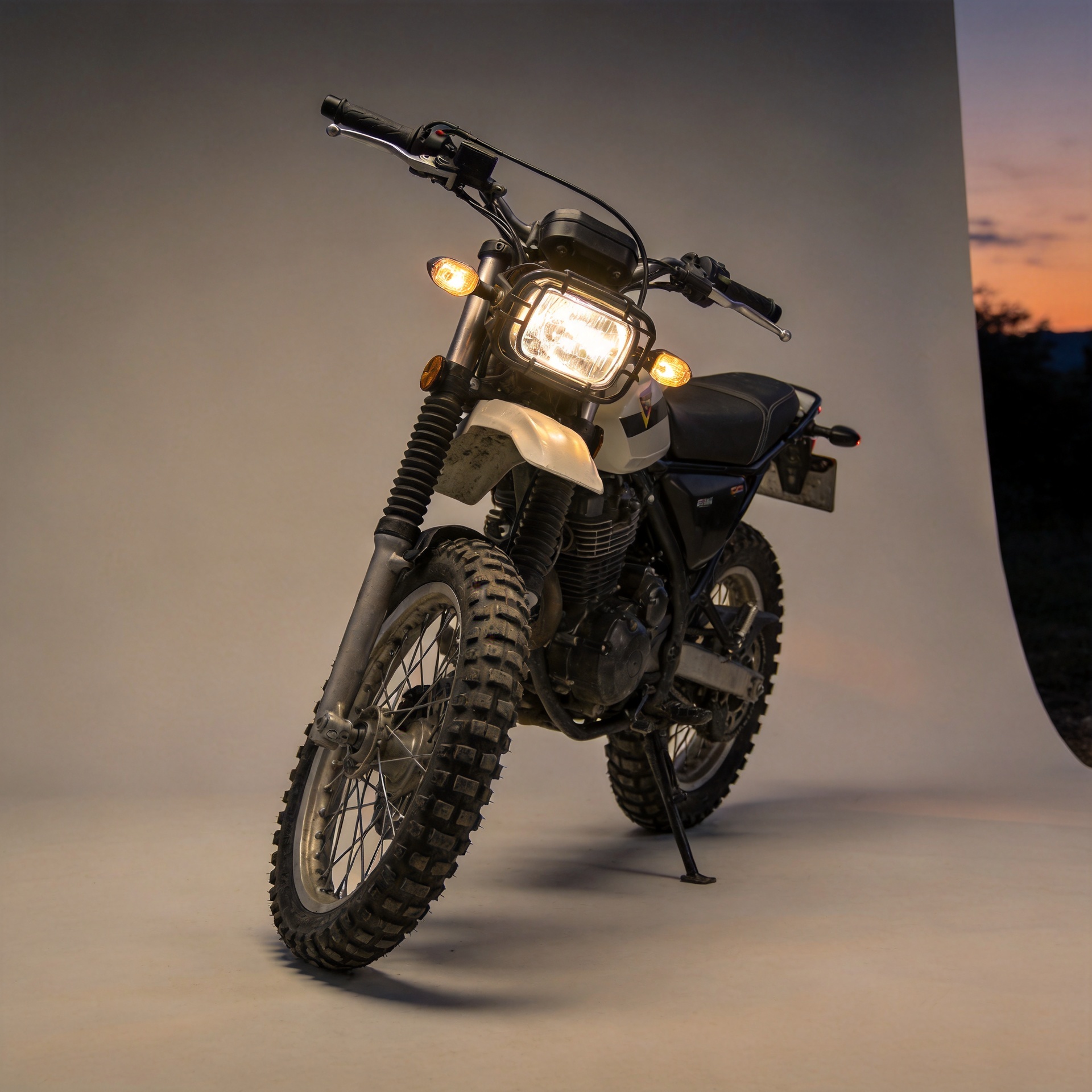
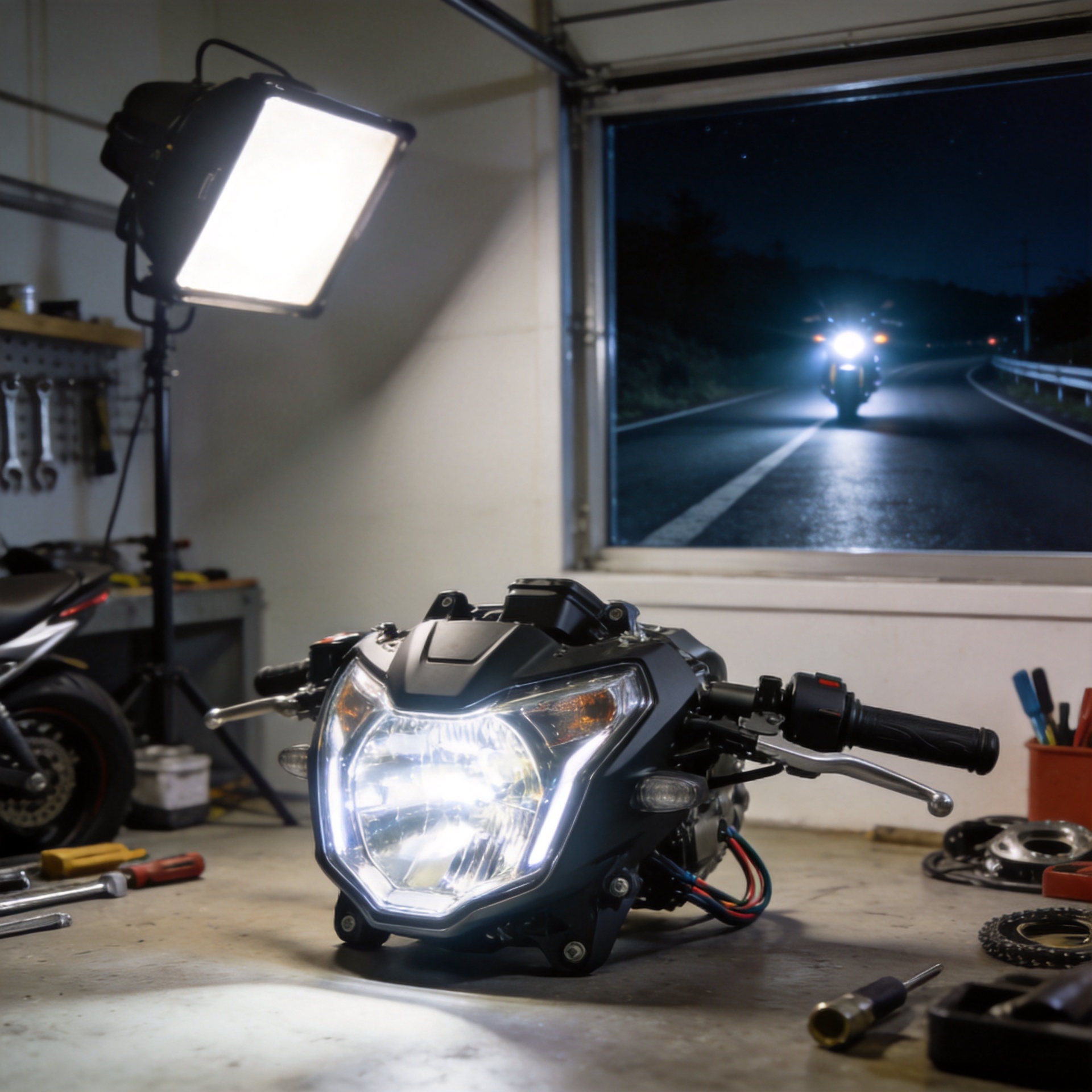
That last comparison is useful for anyone researching fog lights for bikes. Motorcycle auxiliary lamps may help with conspicuity or forward lighting depending on their design, but they are a separate product category from an automotive DRL. Before specifying a lamp for a road-going vehicle, confirm its intended function, installation position, wiring behavior, and the applicable requirements in the destination market.
What DRLs Cannot Do
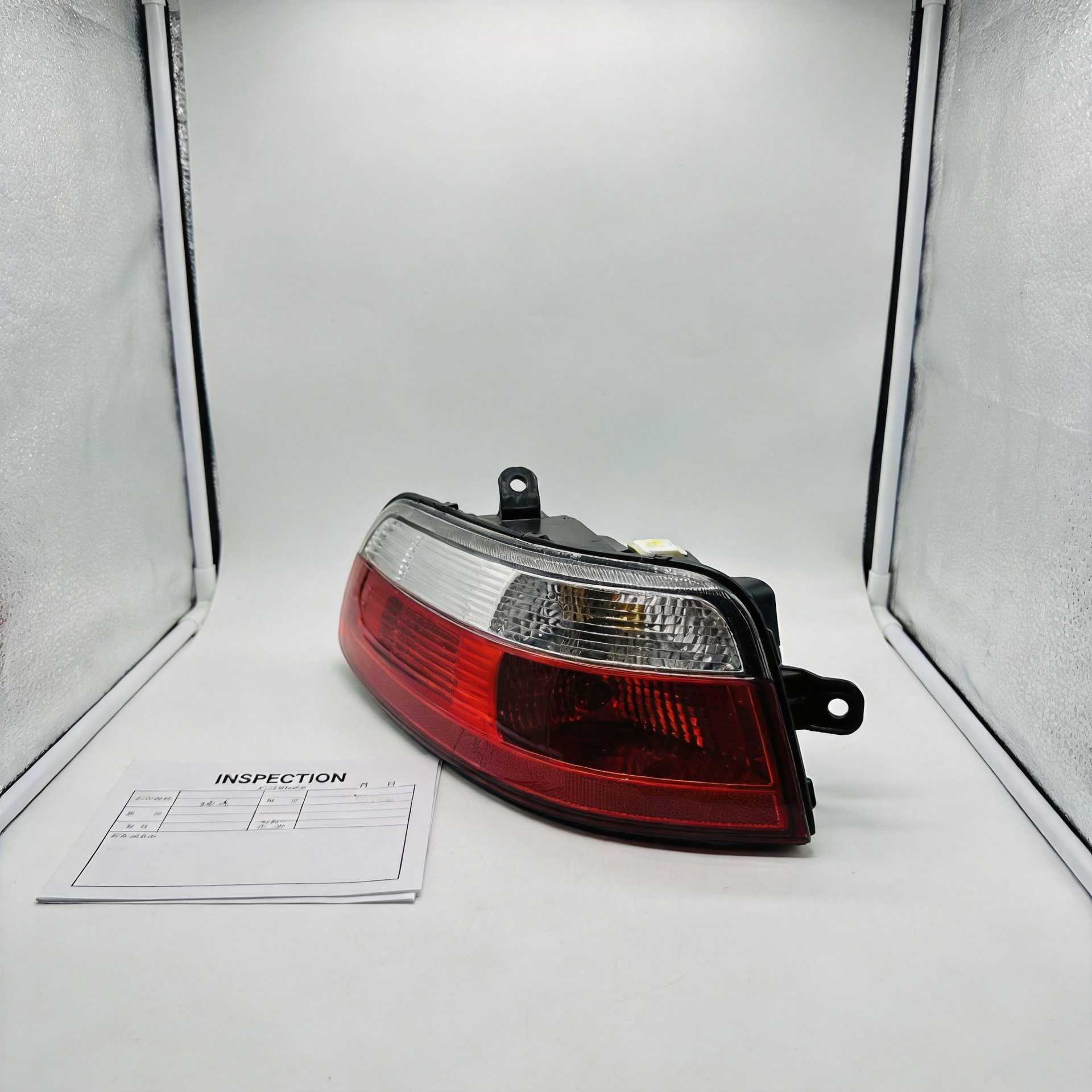
One common misunderstanding is that an illuminated DRL means the vehicle is fully lit. In many vehicles, DRLs do not activate the rear lamps. They also provide much less forward illumination than low beams. When darkness falls, visibility drops sharply, weather becomes severe, or a tunnel requires full lighting, drivers should use the appropriate headlamp setting and follow local regulations.
More light is not automatically better, either. A bright but poorly controlled lamp can create glare for oncoming traffic. For this reason, lamp design, optical control, mounting angle, and electrical integration are as important as the LED source itself. If a vehicle is being upgraded or repaired, use components intended for that vehicle and market rather than treating any decorative LED strip as a safety lamp.
Common DRL Product Forms
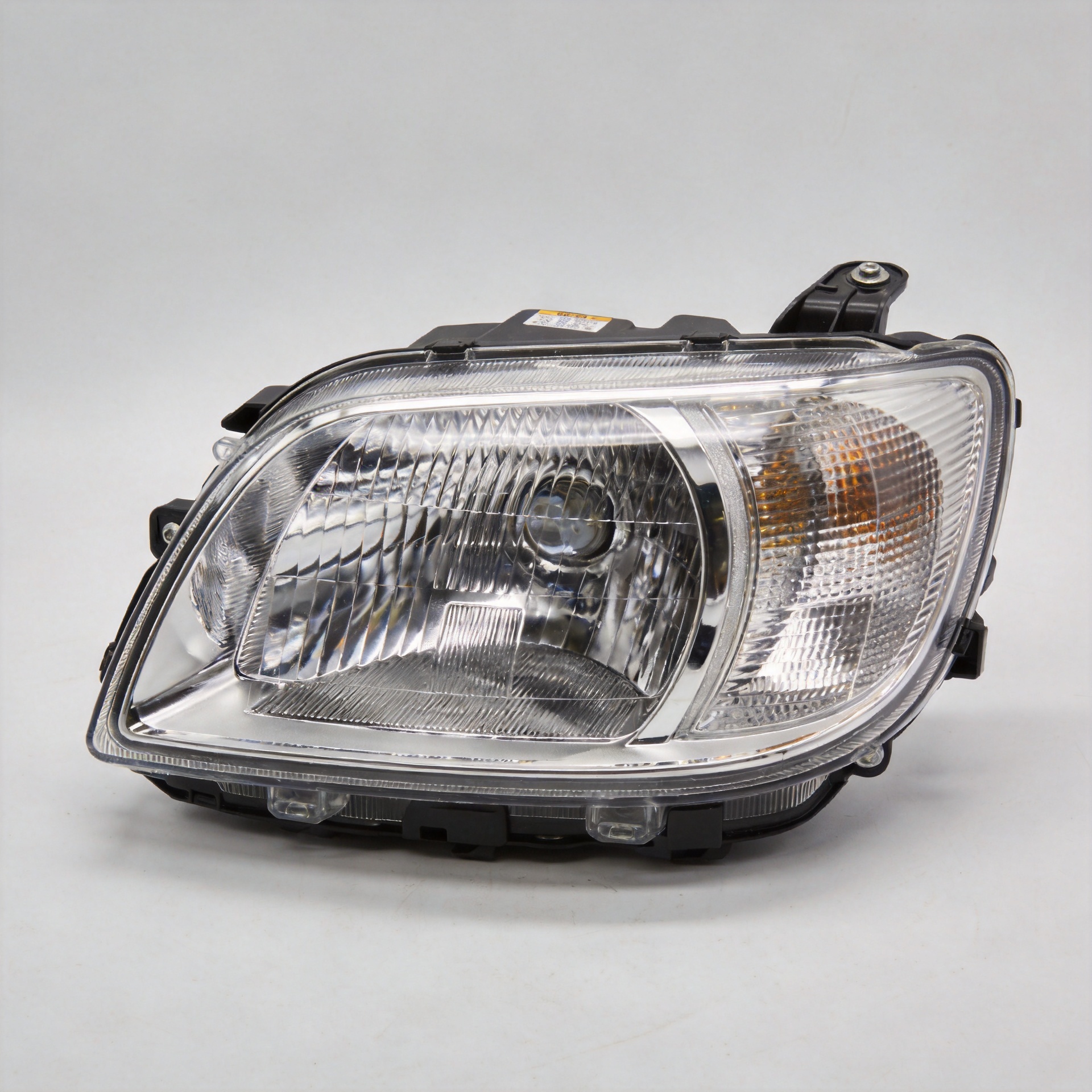
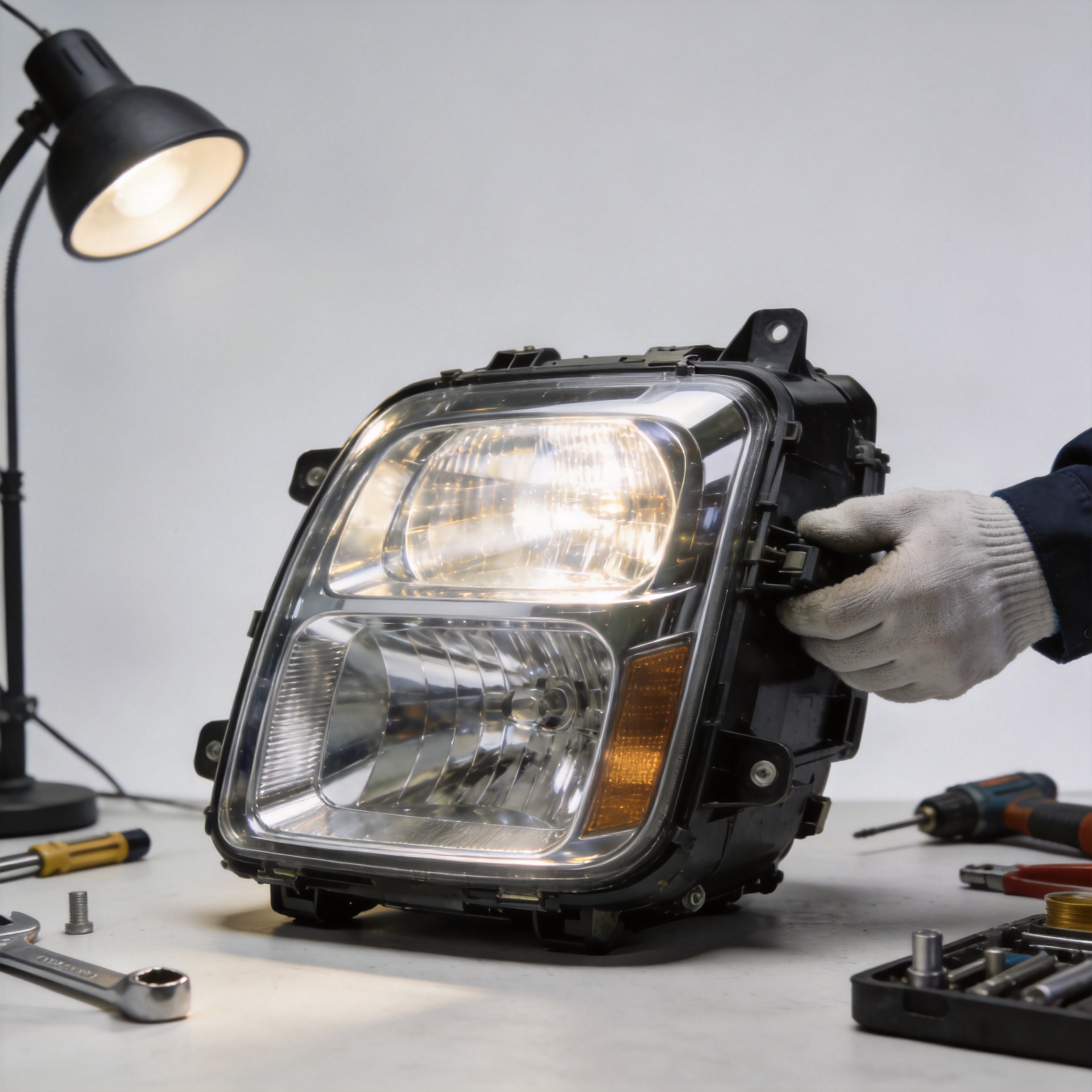
DRLs are commonly integrated into complete headlamp assemblies, which can simplify optical alignment and maintain a coherent appearance. For example, a matched product listing for a BMW E46 LED headlamp assembly with DRL and turn-signal functions illustrates how DRL elements can be packaged with other front-lighting functions. The product title alone does not establish market approval or performance specifications, so buyers should verify the exact configuration before purchase or fitment.
For wholesalers and OEM-facing buyers, the practical questions are whether the DRL is integrated or separate, how it operates with the vehicle’s existing lighting controls, whether its light signature is consistent across units, and whether the final configuration suits the target market. A visually distinctive DRL can support vehicle styling, but its primary value remains daytime visibility.
Where Do Fog Lights for Bikes Fit Into This Discussion?
Searches for fog lights for bikes often surface alongside DRL content because both product categories are associated with conspicuity. Still, fog lights for bikes are not automotive DRLs. Buyers comparing fog lights for bikes should begin with the lamp’s intended beam, legal use, mounting position, and electrical compatibility.
For distributors, the specification sheet for fog lights for bikes should distinguish a fog-oriented beam from a daytime signature lamp. A motorcycle rider may select fog lights for bikes for defined weather or supplementary-lighting needs, while a passenger-car DRL is normally integrated into the front-lighting system for daytime recognition. That is why a listing for fog lights for bikes should not imply that the product is a replacement for a compliant vehicle DRL.
There are also practical fitment questions. Fog lights for bikes may require a harness, switch, fuse protection, and a model-specific bracket. The aim of fog lights for bikes matters because an uncontrolled beam can distract other road users. In contrast, a DRL is usually managed by the vehicle’s original lighting controls and uses a distinct optical function.
When evaluating fog lights for bikes, ask whether the lamp is intended for a motorcycle, an e-bike, or another vehicle category; those applications should not be combined in one claim. Ask whether the product is designed for daytime conspicuity, road illumination, or fog use. These questions make fog lights for bikes easier to compare responsibly and prevent a misleading comparison with a passenger-car DRL.
For a catalog or sourcing program, keep the labels precise: fog lights for bikes describe an auxiliary motorcycle-lighting search intent, while daytime running lights describe an automotive visibility function. The same discipline applies to motorbike spotlights. Motorbike spotlights may offer a focused auxiliary beam, but motorbike spotlights are not automatically DRLs, and motorbike spotlights should be selected with the vehicle application and local requirements in mind.
In short, use fog lights for bikes when discussing the applicable motorcycle auxiliary-lamp category, and use DRL when discussing daytime vehicle recognition. Separating fog lights for bikes from DRLs helps drivers, installers, wholesalers, and OEM buyers choose a lamp for the correct job.
A Simple Takeaway for Drivers and Buyers
DRLs help other road users notice a vehicle during the day. They do not replace headlights at night, they do not replace tail lamps in poor visibility, and they should not be confused with fog lights for bikes or other auxiliary lamps. The most reliable approach is to match the lamp to its intended function, maintain the complete lighting system, and check local requirements before modifying a vehicle.
When used as intended, daytime running lights are a straightforward part of modern vehicle safety design: a small front-facing signal that helps a vehicle stand out when daylight alone is not enough.