EN

What Are Car Fog Lights Used For? A Guide for Parts Buyers
For an automotive parts buyer, car fog lights are not simply decorative lamps fitted low in a bumper. They are auxiliary lamps designed for specific low-visibility conditions, and their value depends on the vehicle application, beam control, mounting position, electrical interface, and destination-market requirements. Understanding these points helps wholesalers and OEM buyers source the right assembly instead of treating every round lamp or LED module as interchangeable.
The first practical distinction is purpose. Headlights are built to illuminate the road ahead over a broader distance. Car fog lights are intended to support near-field and road-edge visibility when fog, heavy rain, snow, spray, or dust makes a normal headlamp beam less useful. Their low placement and controlled pattern are meant to reduce the amount of light reflected back toward the driver. That is why a brighter-looking lamp is not automatically a better fog-lamp solution.
Why car fog lights are mounted low
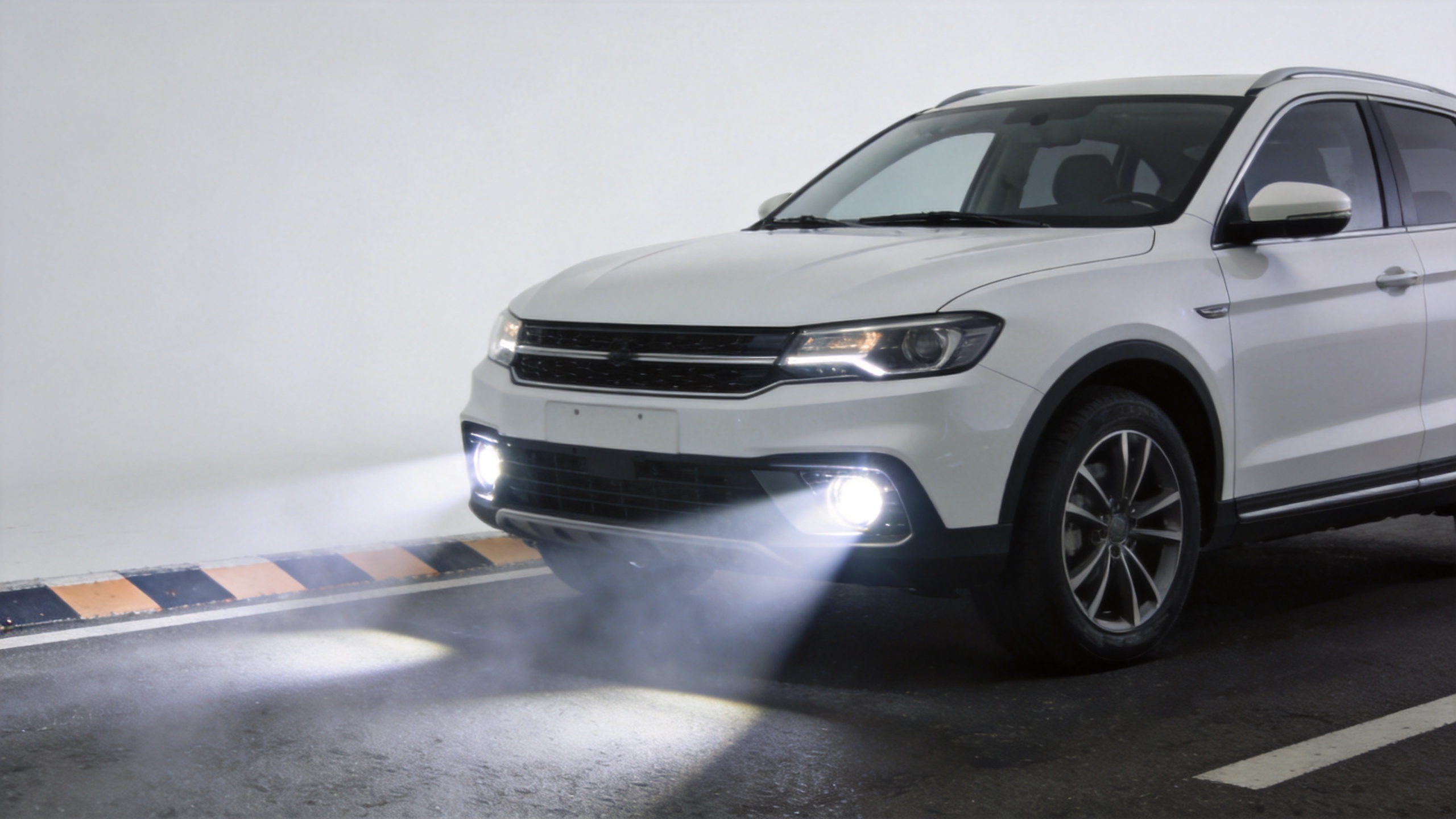
Fog is made of suspended water droplets. When a high, intense beam meets those droplets, part of the light can scatter back toward the driver and create a white wall effect. A front fog lamp is normally installed low on the vehicle and aimed to provide a broad, short-range layer of light close to the road. In suitable conditions, that can make lane edges, markings, curbs, and nearby obstacles easier to identify without relying only on the main beam.
This does not mean car fog lights replace headlights. They work as a supplement in reduced visibility, not as a high-beam substitute. A useful procurement conversation therefore starts with the intended driving environment and vehicle architecture: passenger vehicle, light truck, off-road application, or a model-specific replacement program. It should not start with LED wattage alone.
Front fog lights and rear fog light: different jobs
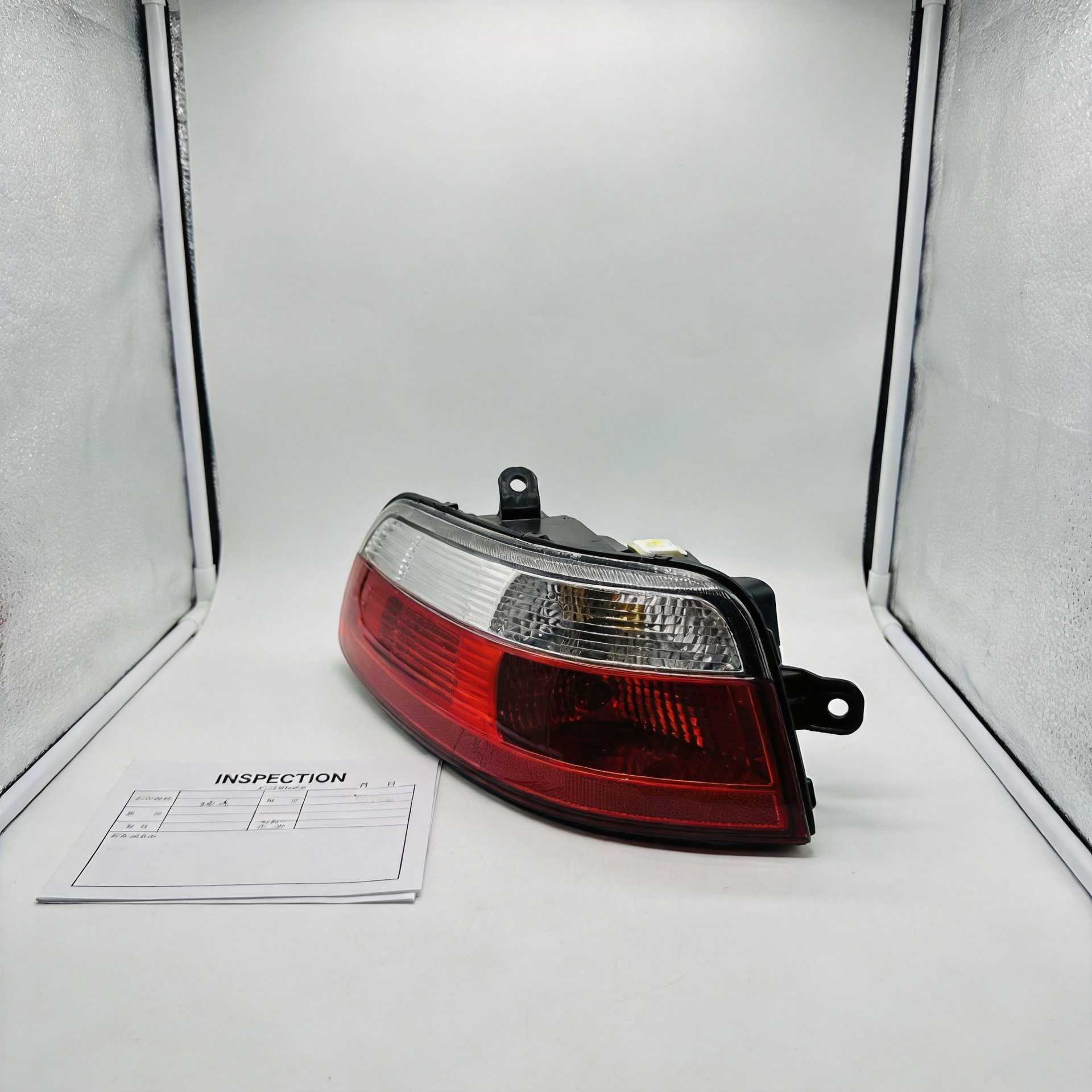
Buyers should separate front and rear functions early in the sourcing process. Front fog lamps help the driver read the immediate road area. A rear fog light, by contrast, is a conspicuous rear-facing signal intended to help following drivers notice the vehicle in extremely poor visibility. It is not a reverse lamp, brake lamp, or general rear accent light.
| Lighting position | Primary purpose | Key buyer checks |
|---|---|---|
| Front fog lamp | Supports short-range, low-level road visibility in adverse weather | Beam pattern, mounting location, vehicle fitment, housing seal, connector and aiming arrangement |
| Rear fog light | Makes the vehicle more visible to traffic behind in very low visibility | Required side or quantity, lens color, switch logic, telltale behavior, market-specific approval rules |
Because a rear fog light is intentionally intense, drivers should not leave it on once visibility improves. For buyers, that operating principle translates into design checks: the control logic, dashboard indication, and wiring behavior must match the target vehicle and local requirements. Do not assume a rear lamp module can perform this function merely because it has a red lens.
When LED fog lights for car make sense—and what they do not prove
Interest in LED fog lights for car applications is growing because LEDs can support compact assemblies, flexible styling, and long service life when the optics, thermal path, driver, and sealing are designed as a system. But an LED label alone does not verify useful fog performance. The relevant question is whether the finished lamp produces the required pattern at its intended installation height and remains stable after vibration, heat cycling, and moisture exposure.
Many buyers initially focus on a lumen claim. In practice, the more important question is where the light goes. A lamp with poor cutoff control or excessive upward scatter may create glare and reduce the intended benefit in mist. A disciplined RFQ should ask for photometric information appropriate to the program, housing dimensions, mounting points, connector type, voltage range, ingress-protection test evidence where applicable, and sample testing conditions. Requirements differ by market, so approval markings and regulations must be confirmed for the target country rather than copied from another application.
A parts-buyer checklist for car fog lights
- Confirm vehicle fitment. Check model year, bumper opening, left/right orientation, bracket geometry, connector style, and harness compatibility.
- Specify the function. State whether the request is for a front fog lamp, a rear fog light, a combined assembly, or a styling-oriented auxiliary module. These are not interchangeable descriptions.
- Review optical intent. Ask how the beam is controlled, how the lamp is aimed, and whether the output is designed for near-field fog use rather than general driving illumination.
- Check durability as a system. Lens material, venting, seals, heat management, mounting stiffness, and driver placement all affect field reliability.
- Verify market requirements. Confirm applicable approval, installation, color, switching, and marking requirements with the vehicle program or local compliance team before purchase.
- Use samples before volume commitment. Validate appearance, fit, connector engagement, aiming range, and basic electrical behavior on the intended vehicle.
How fog-lamp sourcing fits into a wider lighting program
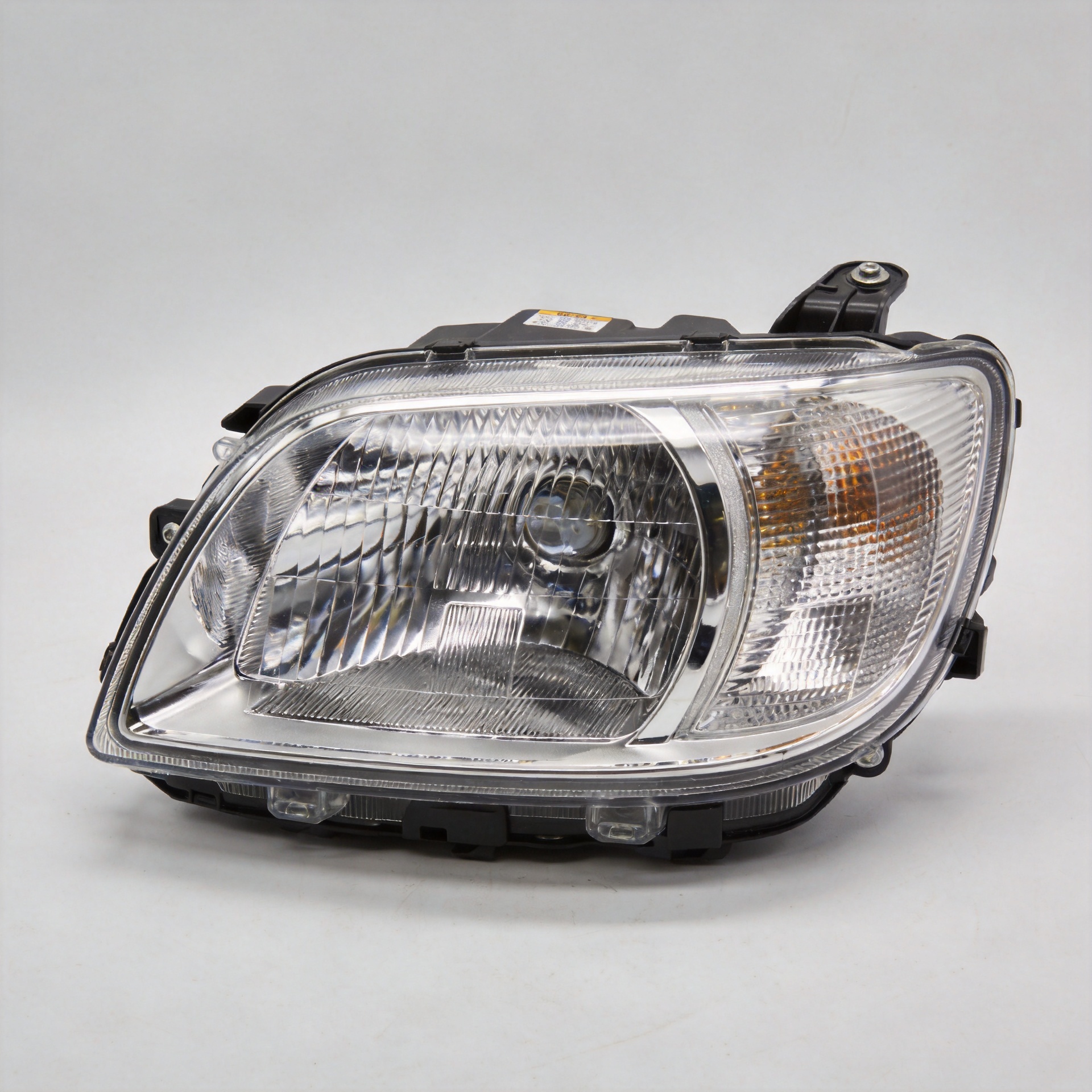
Fog lamps should be evaluated alongside the headlamp and rear-light system. A supplier may offer model-specific lighting assemblies such as a Toyota Highlander LED headlight assembly; however, a headlamp assembly and a fog-lamp program require separate fitment and optical checks. Treating them as one specification can create costly rework during installation or market approval review.
For wholesalers, the practical opportunity is to organize inventory by exact vehicle application and function: front fog assemblies, rear fog components, bezels, brackets, harnesses, switches, and replacement lenses. For OEM or private-label buyers, the priority is a controlled specification package that connects the lamp to the vehicle, the wiring architecture, and the destination market.
Conclusion: source fog lights for their intended role
Car fog lights are specialized low-visibility equipment. Front units help manage near-field road visibility; a rear fog light helps following traffic recognize the vehicle when conditions are severely reduced. A sound purchasing decision is not based on a generic brightness claim. It is based on correct application, controlled optics, mechanical and electrical fitment, sample validation, and verified destination-market requirements. When those checks are built into the sourcing process, buyers can select LED fog lights for car programs with clearer expectations and fewer downstream surprises.