EN

OEM vs. Aftermarket LED Tail Light Assemblies: A Buyer Comparison
For an importer, distributor, or vehicle-program buyer, choosing a tail light assembly is not simply a question of OEM versus aftermarket. The usable decision is whether a particular rear lamp can meet the vehicle application, required functions, destination-market expectations, and repeat-order needs. A low initial quotation can become costly when a connector does not match, a lens appearance changes between batches, or a replacement program cannot obtain the same configuration six months later.
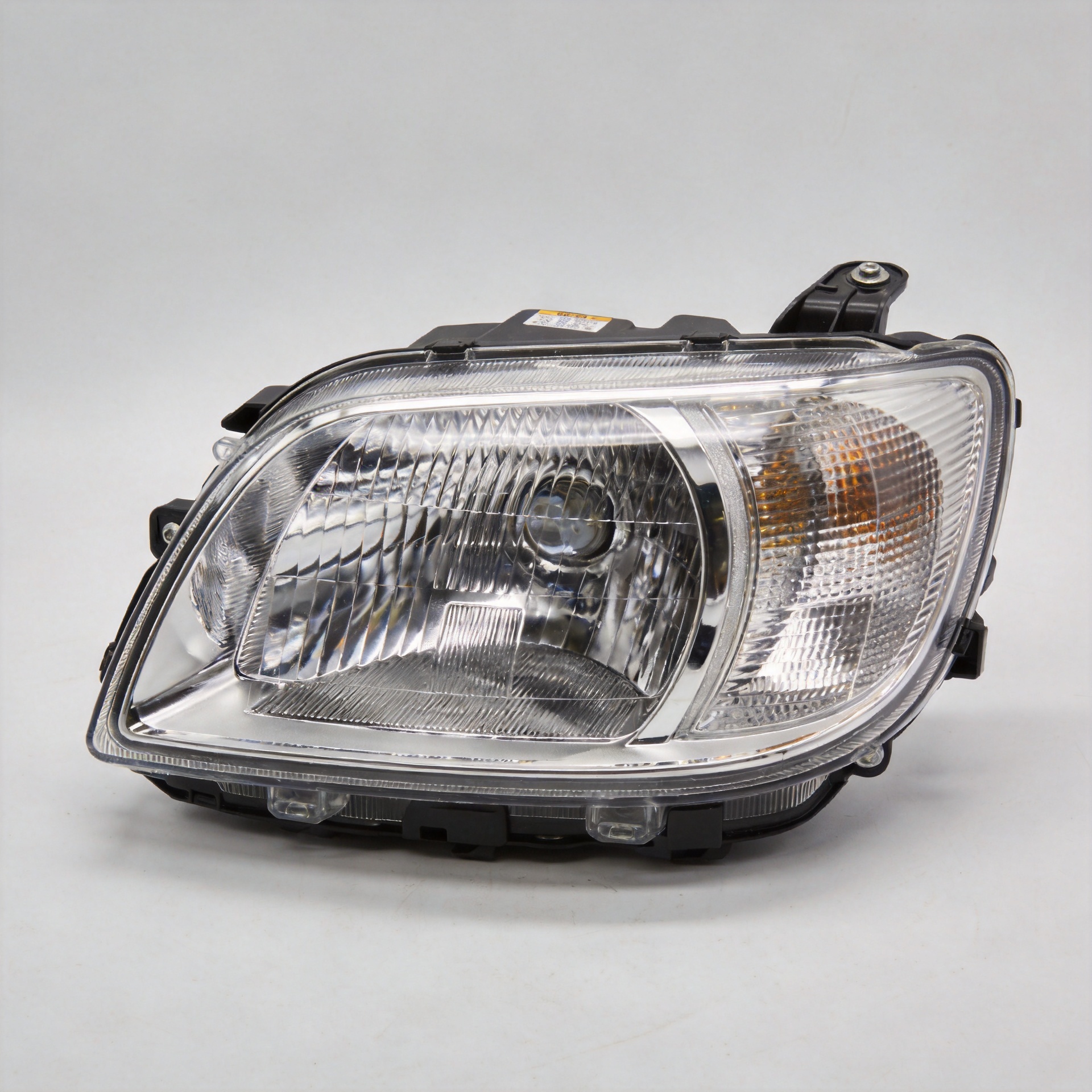
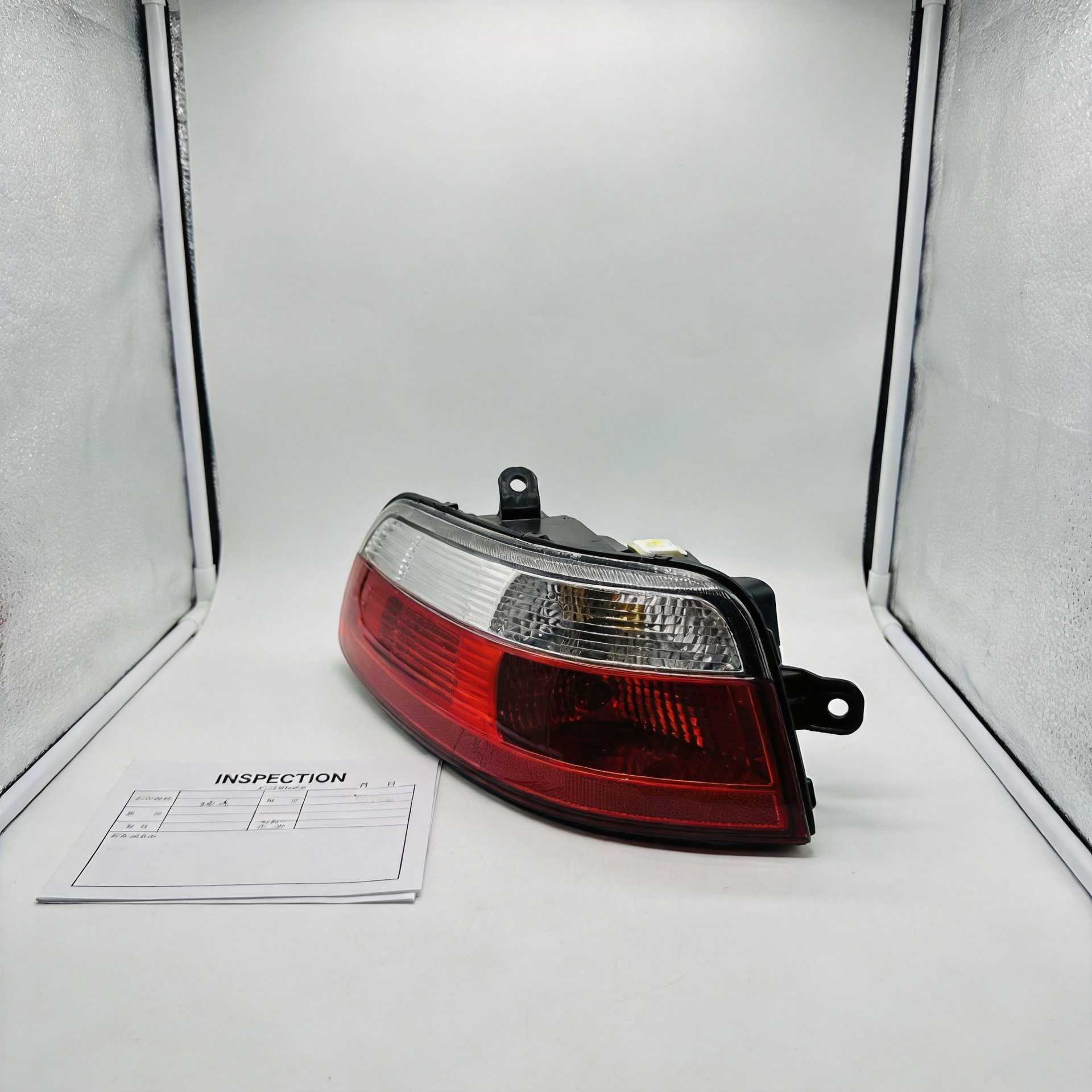
A complete tail light assembly may integrate tail, stop, turn-signal, reverse, reflector, and mounting functions, depending on the vehicle design. That is why buyers should compare the full assembly specification rather than treating the lens, LEDs, housing, and wiring connector as separate purchasing decisions. The same discipline used when checking headlight lenses—optical condition, fit, sealing, and visual consistency—also applies at the rear of the vehicle.
Start with the purchasing question, not the OEM label
OEM commonly means a part supplied to an original-equipment specification or produced for an established vehicle program. Aftermarket can mean a replacement part designed for an existing vehicle, an upgraded LED style, or an independently engineered alternative. Neither label by itself proves quality, legality, or suitability. A buyer should ask: What vehicle and production range is this tail light assembly intended for? Which lighting functions are included? What documentation and inspection criteria will accompany the order?
For an established repair channel, an OEM-style replacement may be preferred when the priority is a familiar appearance and predictable vehicle fit. For a distributor seeking a differentiated catalog, an aftermarket LED option may offer styling or configuration choices. The trade-off is that the buyer must validate the complete product more carefully, especially where mounting points, harness interfaces, lamp functions, and local-market requirements differ.
Compare fitment at the assembly level
Fitment is the first gate because a visually similar tail light assembly can still fail at installation. Request a vehicle application matrix that states make, model, model year, body style, left- or right-hand position, and any relevant trim or facelift distinction. Then compare the rear-panel mounting geometry, locating pins, gasket contact surface, connector shape, pin count, and lamp-socket arrangement. If the assembly uses integrated LEDs, confirm whether any control modules, load requirements, or warning-light considerations apply to the target vehicle.
Do not rely on a listing photo alone. Sample inspection should include a trial fit on the relevant vehicle or verified fixture. This matters most when a part number covers several market versions. A practical rule is to treat a fitment statement as incomplete until the buyer has matched the physical interface and the functional interface. The same attention is useful for headlight lenses, where a good-looking lens cannot correct an incorrect housing or seal interface.
Check function, appearance, and market suitability separately
Function and appearance are related but should not be combined into one approval decision. First, create a function checklist: tail, stop, turn, reverse, reflector, side marker, and any other required feature for the vehicle and market. A rear lamp may be expected to provide several of these functions, but the exact combination is vehicle-specific. For example, U.S. requirements address the emitted color of tail and stop lamps; buyers should treat that as a reminder to verify the applicable rules for the destination market rather than assuming one approval path fits every region.
Second, define appearance acceptance criteria. This can include lens color, texture, gap alignment, chrome or black internal trim, LED signature, molding marks, and the match between left and right units. OEM-style programs often prioritize a close visual match to the original vehicle. Aftermarket programs may intentionally use a different LED signature, but that design choice should be documented before samples are approved. Ask for controlled sample photos under the same lighting conditions and retain the approved reference for production comparison.

Evaluate quality beyond the sample
One of the most common B2B mistakes is using a good sample as evidence of consistent production. A sample can confirm that a proposed tail light assembly is directionally suitable; it cannot by itself prove that every later batch will use the same lens material, LED board, gasket, connector, or assembly method. Before placing a larger order, agree on a simple batch-control plan.
- Confirm the approved part number, revision, vehicle application, and left/right configuration on the purchase order.
- Set cosmetic limits for scratches, sink marks, color variation, and visible particles inside the lens.
- Specify functional checks for each required lighting mode before packing.
- Inspect seal condition, venting design, connector retention, mounting tabs, and water-entry risk points.
- Request traceable packaging labels and retain sample photos from the approved batch.
Price comparison needs the same discipline. Looking only at unit price ignores returns, claim handling, rework, packaging damage, and the cost of replacing mismatched stock. A lower-priced aftermarket tail light assembly can be commercially sound when the supplier can demonstrate stable materials, repeatable assembly, and clear corrective-action handling. Conversely, an OEM-style offer loses value if its actual configuration changes without notice.
Compare supply stability and order terms
For distributors and vehicle-related programs, supply continuity is often the deciding factor. Ask how the supplier manages component availability, revision notices, production lead time, minimum order quantities, packaging options, and repeat orders. If the supplier offers OEM or ODM development, clarify which elements can be customized—such as lens appearance, branding, or packaging—and which changes require a new validation cycle. Avoid turning a styling request into an undocumented substitution.
YIAALUX serves buyers in automotive and motorcycle lighting categories and can be a relevant source to evaluate where the vehicle application matches the catalog. For example, buyers assessing a BMW X5 F15 rear-light replacement can review the available BMW X5 F15 LED tail lamp product listing alongside their own fitment and destination-market checklist. The listing should be treated as a starting point for specification confirmation, not as a substitute for sample validation.
Use a side-by-side decision matrix
| Buying criterion | OEM-style option | Aftermarket LED option | Buyer evidence to request |
|---|---|---|---|
| Vehicle fitment | Usually aligned to an original application | May be direct replacement or revised design | Application matrix, connector and mounting verification |
| Appearance | Often prioritizes original look | May provide alternative LED styling | Approved sample, controlled comparison photos |
| Function set | Typically follows original configuration | Must be confirmed model by model | Function checklist and bench-test record |
| Order flexibility | Can be constrained by program requirements | May offer broader packaging or styling options | MOQ, lead time, revision and packaging terms |
| Lifecycle risk | Depends on ongoing program support | Depends on component and batch control | Repeat-order plan and change-notification process |
Tail light assembly order-control worksheet
Use this worksheet to turn a tail light assembly quotation into an auditable buying record. For every tail light assembly line, record the vehicle application and the left/right position. For every tail light assembly sample, photograph the mounting points and connector. For every tail light assembly order, state the required functions. For every tail light assembly carton, retain the part-number label. These repeated controls are simple, but they make a tail light assembly program easier to review across purchasing, quality, and after-sales teams.
- Tail light assembly application: verify make, model, year, body style, and market version.
- Tail light assembly interface: verify pins, connector keying, sockets, tabs, and gasket surface.
- Tail light assembly functions: verify tail, stop, turn, reverse, reflector, and marker requirements.
- Tail light assembly appearance: verify lens color, internal trim, molding quality, and left/right match.
- Tail light assembly sealing: inspect gasket seating, venting, and visible water-entry risk points.
- Tail light assembly electronics: confirm LED operation in every required mode before packing.
- Tail light assembly documents: retain the approved drawing, revision, and sample record.
- Tail light assembly packaging: define protective packing and carton identification.
- Tail light assembly supply: confirm MOQ, lead time, component continuity, and change notice.
- Tail light assembly claims: agree on defect evidence, response time, and replacement handling.
Final procurement checklist
The most suitable tail light assembly choice is the one that meets the documented application and commercial requirements with the fewest uncontrolled assumptions. Before releasing an order, confirm the vehicle range, side and body variant, lighting functions, connector and mounting interface, lens and housing acceptance criteria, sample approval process, destination-market responsibilities, packaging, MOQ, lead time, and change-notification procedure. If any point remains unclear, resolve it before comparing final quotations.
OEM and aftermarket LED tail lamps can both fit a successful product range. The difference is not the label on the quotation; it is the quality of the evidence behind it. By using a structured comparison and retaining approved samples, buyers can make a tail light assembly decision that supports fitment confidence, catalog consistency, and repeatable supply.