EN
EN

Motorcycle Auxiliary Lights: A Distributor’s Guide to Building a Complete Assortment
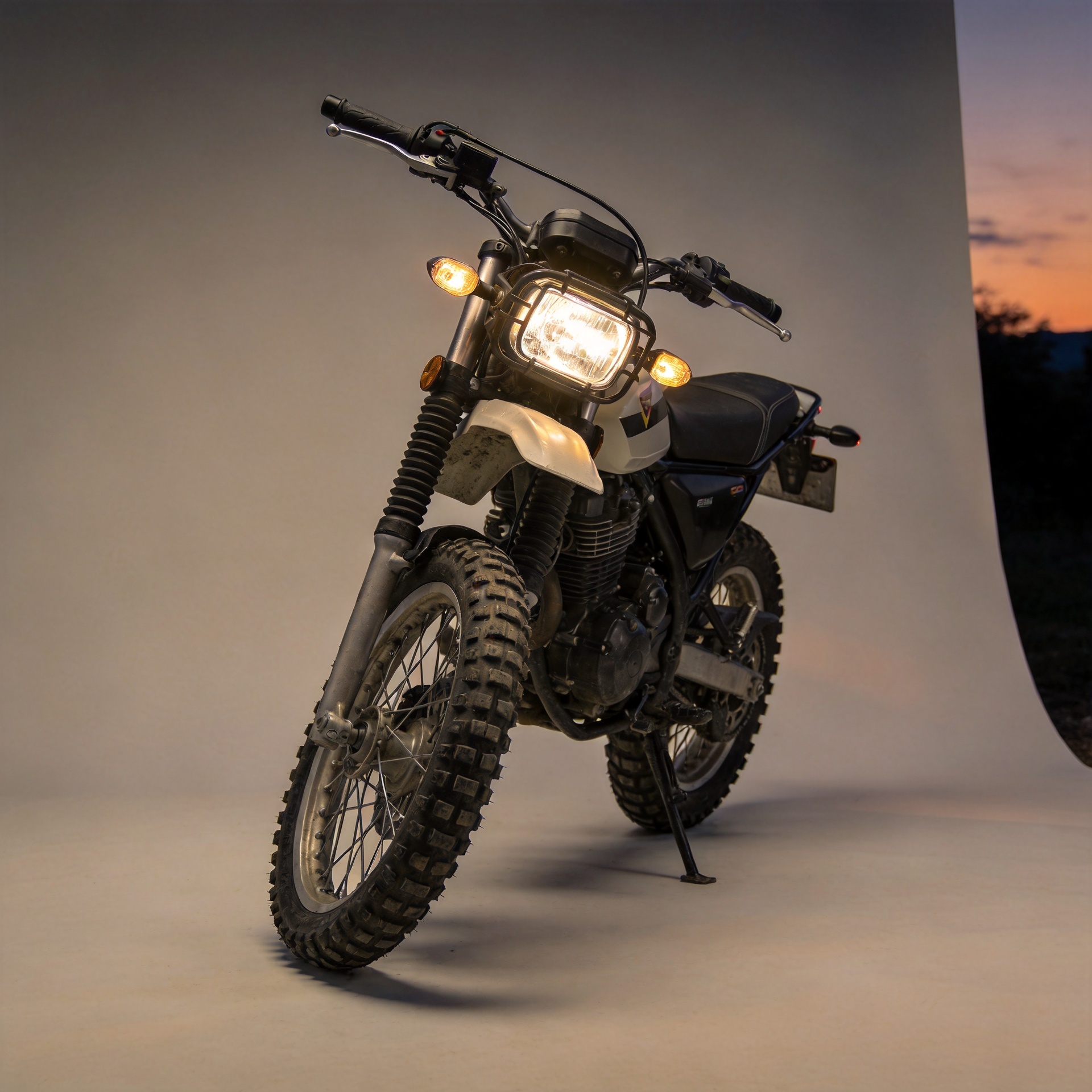
For a distributor, motorcycle auxiliary lights are not a single-SKU purchase. They are a category system that has to solve different visibility needs, fit different motorcycles, and remain practical to install and replenish. A complete motorcycle auxiliary lights range gives dealers more ways to serve adventure riders, commuters, touring customers, workshops, and private-label programs without making the catalog difficult to manage.
The useful starting point is not “which lamp is brightest?” It is “which riding problem does each item solve?” That shift changes how a distributor organizes motorcycle auxiliary lights, chooses supporting accessories, and evaluates suppliers.
Build the range around lighting jobs, not just lamp shapes
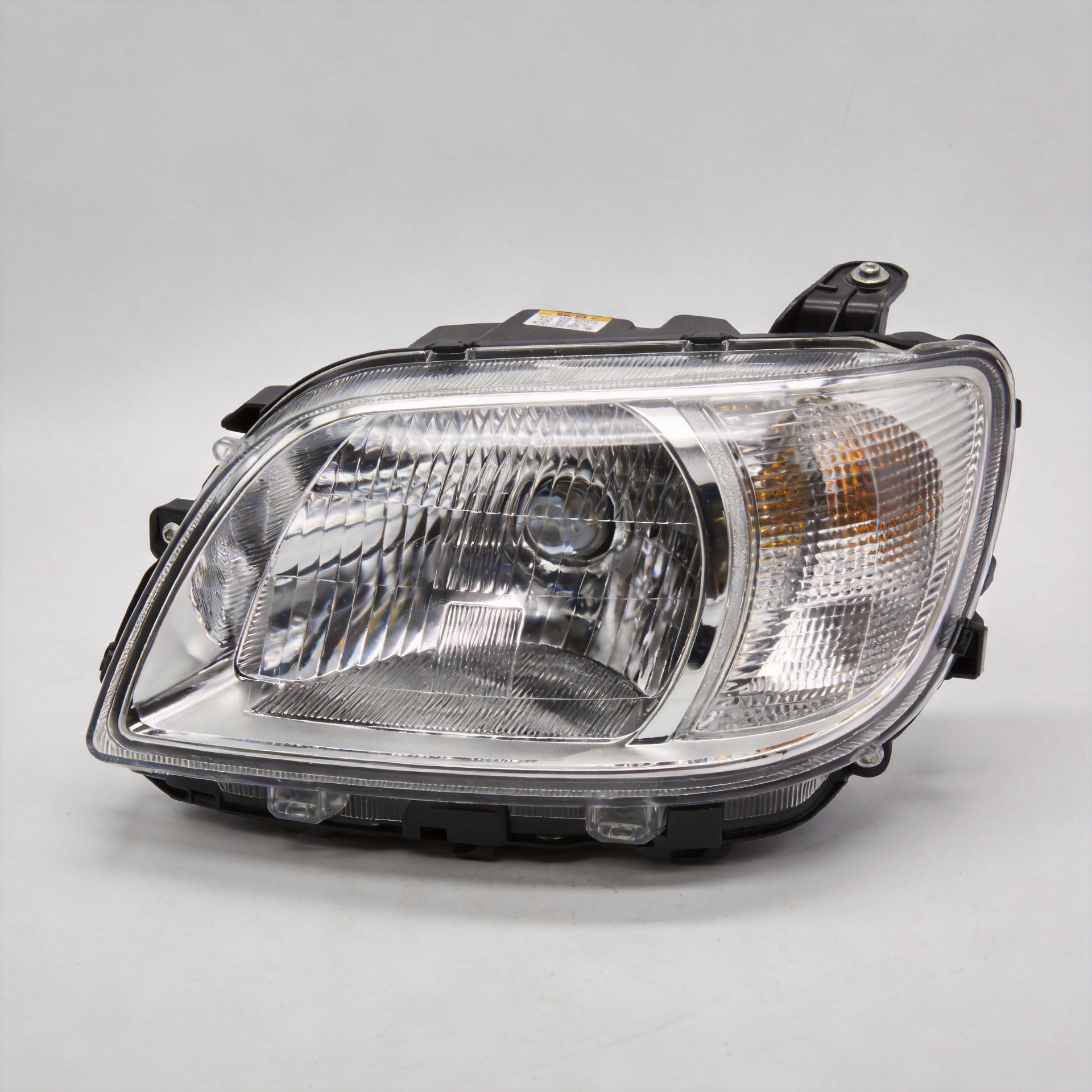
A balanced motorcycle auxiliary lights assortment normally needs distinct roles. Fog-oriented lamps are positioned for poor-weather use and close-range foreground definition. Driving lights extend useful forward reach for open roads. Spot-focused motorcycle auxiliary lights concentrate light further ahead, while wider flood or work-style patterns can support low-speed trail, utility, or side-area visibility. Conspicuity-oriented options may appeal to riders who prioritize being noticed in daytime traffic.
Keep these roles clear in your catalog. A customer comparing motorcycle auxiliary lights should quickly see the intended use, mounting style, beam purpose, electrical requirements, and whether the item is sold as a lamp-only unit or a complete kit. This reduces the common problem of a retailer selling a very bright product that is wrong for the rider’s actual route.
| Category role | Typical customer need | Assortment companion |
|---|---|---|
| Fog-focused lamps | Rain, mist, and lower-speed poor-weather riding | Weather-protected harness and switch |
| Driving lamps | Longer road visibility for touring | Vehicle-specific or universal bracket options |
| Spot-focused lamps | Forward reach on open routes | Aiming guidance and robust mounting hardware |
| Wide-beam options | Trail, utility, and near-field coverage | Compact mounting solutions |
Make motorcycle LED aux lights a system sale
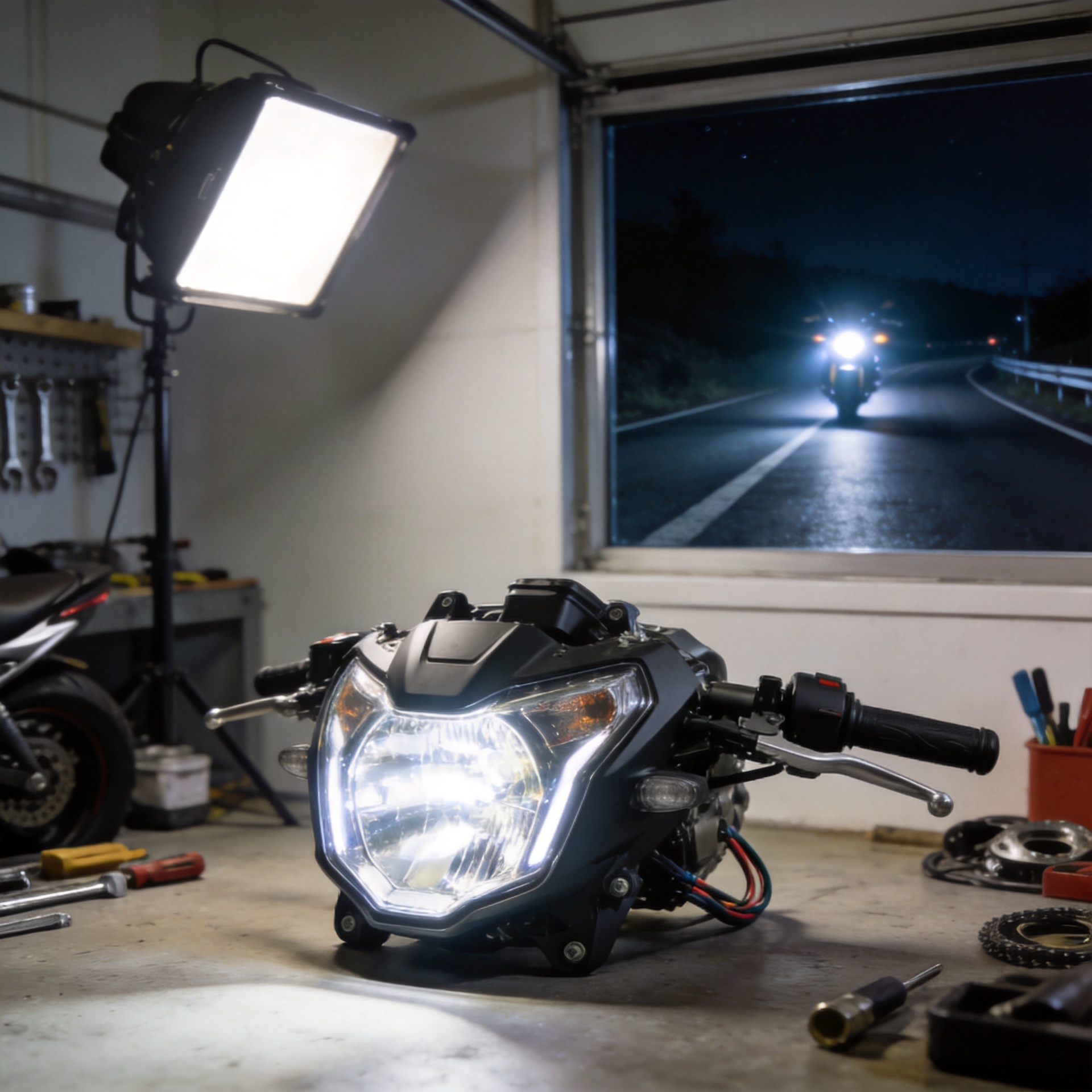
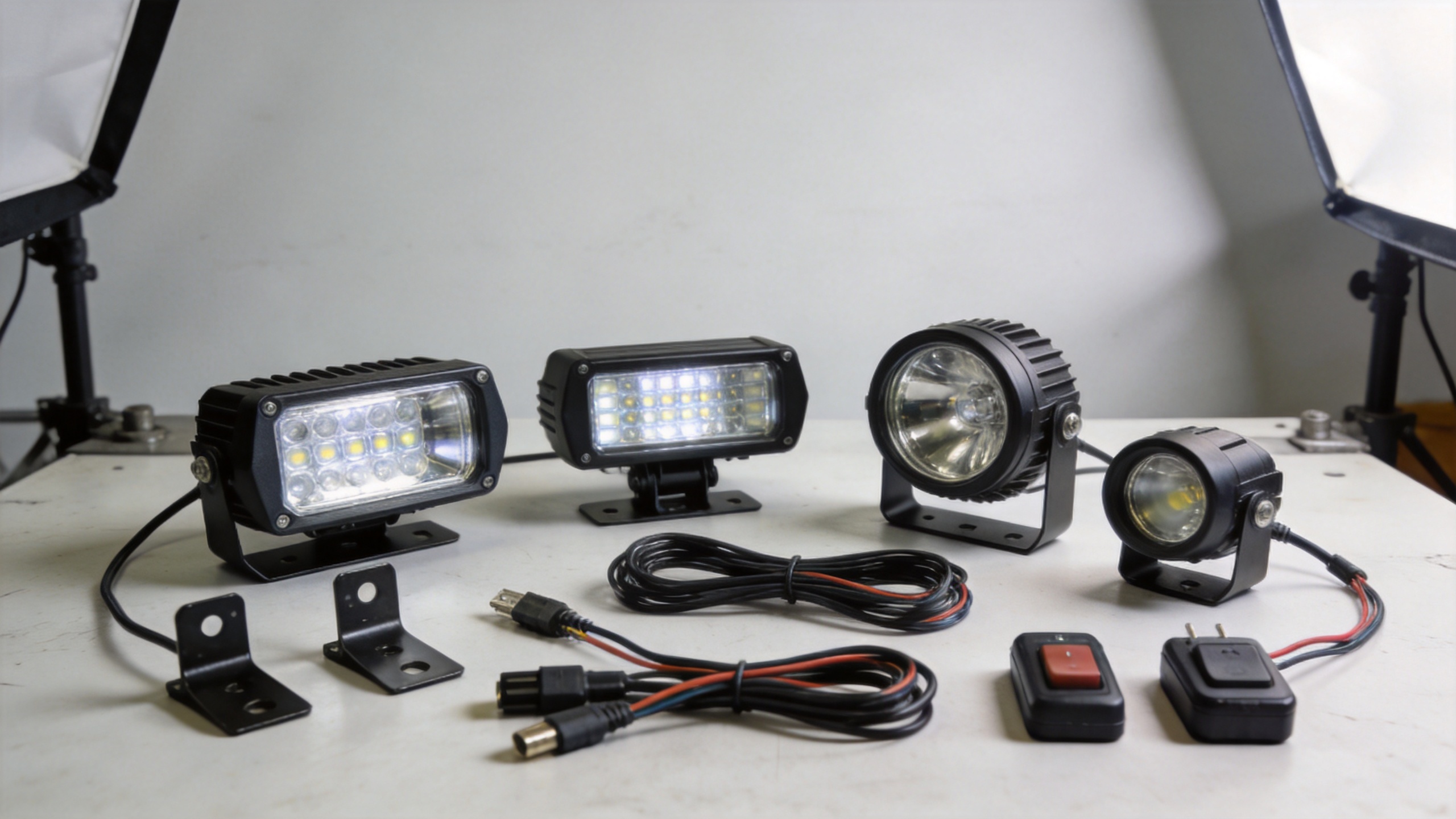
Motorcycle LED aux lights sell more reliably when the buyer can complete the installation from the same distributor. Search results and installation guidance repeatedly point to the relay, fuse, wiring harness, switch, and mounting hardware as essential parts of the system. That does not mean every motorcycle auxiliary lights order needs an oversized kit; it means the dealer should have a clear path from lamp selection to compatible accessories.
Start with a tiered architecture: lamp-only replacements for workshop customers; universal motorcycle LED aux lights kits for general retail; and bracket-plus-harness bundles for the distributor’s faster-moving models. Add small but important line items—extension leads, replacement brackets, waterproof connectors, switch mounts, and spare hardware. These items can reduce last-minute fitment questions while raising the usefulness of the motorcycle auxiliary lights category.
One practical lesson from assortment planning is that a lamp can look universal on paper while its installation is not. Tube diameter, fork geometry, fairing clearance, cable routing, and available electrical capacity all affect the final fit. Treat brackets and harnesses as category-defining products, not afterthoughts.
Use a fitment and SKU matrix before expanding depth
Before adding more motorcycle auxiliary lights, map each core SKU against mounting location, intended motorcycle segment, beam purpose, electrical package, and replacement-part availability. This is more useful than adding near-identical lamps in several cosmetic finishes. A simple matrix reveals gaps: perhaps the range has many spot lamps but no compact fog options, or good lights but no dependable wiring solution.
For distributors serving mixed automotive and motorcycle parts customers, this matrix also helps separate motorcycle-specific motorcycle auxiliary lights from shared electrical accessories. It avoids misleading compatibility claims and gives sales teams a consistent way to discuss the range. If your team is evaluating a product such as Universal Motorcycle LED Auxiliary Lights Spot Driving Fog Light with two color fit for BMW Waterbird, keep the product title and confirmed fitment information intact; do not turn a product name into an unverified performance claim.
Evaluate suppliers on assortment reliability, not headline specifications
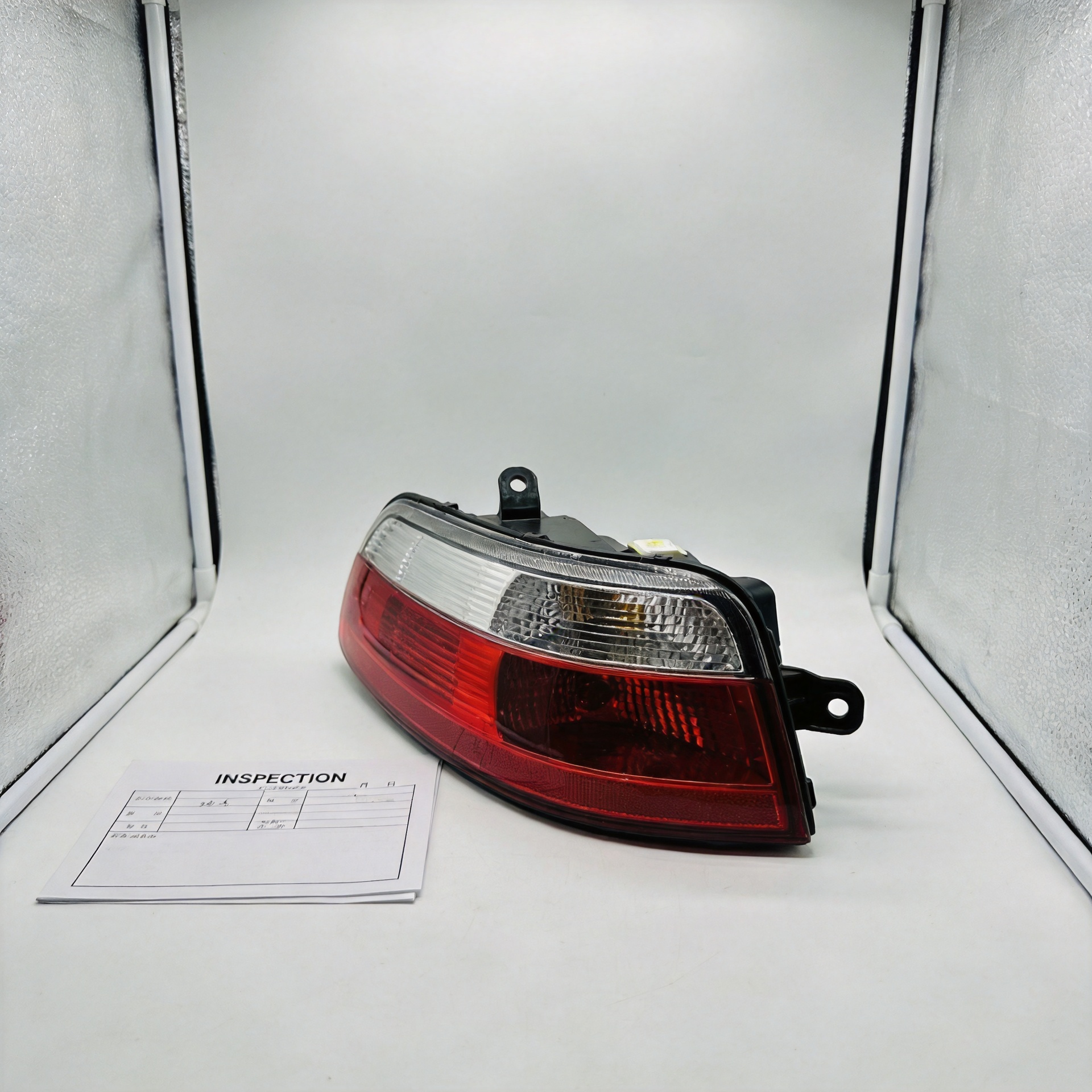
For motorcycle auxiliary lights, price is only one commercial variable. A distributor should also ask whether the supplier can maintain consistent housings, connectors, packaging, lead times, and replacement components across repeat orders. Sample review is valuable, but batch consistency is what protects a dealer after the first order ships.
Use a supplier checklist for motorcycle auxiliary lights: Are beam-purpose labels clear? Are lamp, bracket, and harness references easy to match? Is packaging suitable for retail or private-label work? Can the supplier support OEM/ODM discussions for branding, appearance, or light-pattern requirements? Are destination-market compliance questions documented rather than assumed? Requirements vary by market and configuration, so retailers and importers should verify the applicable rules before listing or installing any motorcycle auxiliary lights for road use.
Total category cost matters as well. Low unit price can be offset by returns caused by missing hardware, unclear instructions, poor connector protection, or unavailable replacements. A narrower but properly supported motorcycle auxiliary lights range may outperform a large catalog that creates repeated fitment disputes.
Merchandise by use case and keep the sales story practical
Consideration-stage buyers want comparison, not a hard sell. Organize motorcycle auxiliary lights pages and dealer materials around road touring, adverse weather, adventure riding, workshop replacement, and private-label assortment needs. For each group, show the lamp role first, then mounting and wiring options, then the checks needed before purchase.
Use measured language. High brightness alone does not guarantee a better result; beam control, correct aiming, mounting stability, weather protection, and electrical integration all shape the experience. This is especially important for motorcycle LED aux lights sold across different regions and motorcycle platforms.
A practical launch order for distributors
- Choose a small core of motorcycle auxiliary lights covering fog, driving, spot, and wide-beam roles.
- Add universal brackets, wiring harnesses, switches, fuses, and replacement hardware before adding cosmetic variations.
- Create a fitment matrix and train sales staff to ask about motorcycle type, mounting point, riding conditions, and local requirements.
- Review supplier consistency, packaging, documentation, and support for repeat orders or private-label programs.
- Expand motorcycle auxiliary lights only where sales data identifies a real application or fitment gap.
The strongest motorcycle auxiliary lights portfolio is not the one with the most lamps. It is the one that lets a dealer recommend a complete, understandable, and serviceable solution. By combining clear lighting roles with compatible accessories and disciplined supplier review, distributors can make motorcycle auxiliary lights a repeatable category instead of a collection of disconnected products.