EN

MINI Cooper LED Tail Light Upgrades: OEM-Style vs Aftermarket Conversion Options
Choosing mini cooper tail lights is less about finding the most dramatic lens design and more about matching the exact vehicle platform, electrical setup, and intended look. For a distributor, workshop, or private-label buyer, an LED upgrade can be a practical replacement decision or a styling-led conversion. The two routes overlap, but they should not be evaluated in the same way.
This guide compares OEM-style retrofits with more individualized custom tail lights, with particular attention to early R50/R52/R53 cars and later F55/F56/F60 applications. It also explains where a bmw tail light supply workflow differs from a MINI-specific one: fitment, connector compatibility, signaling behavior, and market documentation must be reviewed at the assembly level.
Start With Generation, Body Style, and Rear-End Configuration
The first rule for mini cooper tail lights is simple: identify the vehicle before choosing the visual theme. R50/R52/R53 applications, F55/F56 hatchback applications, and F60 Countryman applications use different body panels, lamp shapes, mounting points, and electrical arrangements. A lamp that resembles the right design may still be wrong for the vehicle.
Build a fitment record that includes model generation, model year, body style, left- or right-hand-drive market where relevant, and the current lamp configuration. Also check whether the vehicle has factory halogen or LED rear lamps, separate or integrated reverse and fog functions, and any prior wiring changes. These checks reduce the risk of treating mini cooper tail lights as a universal commodity.
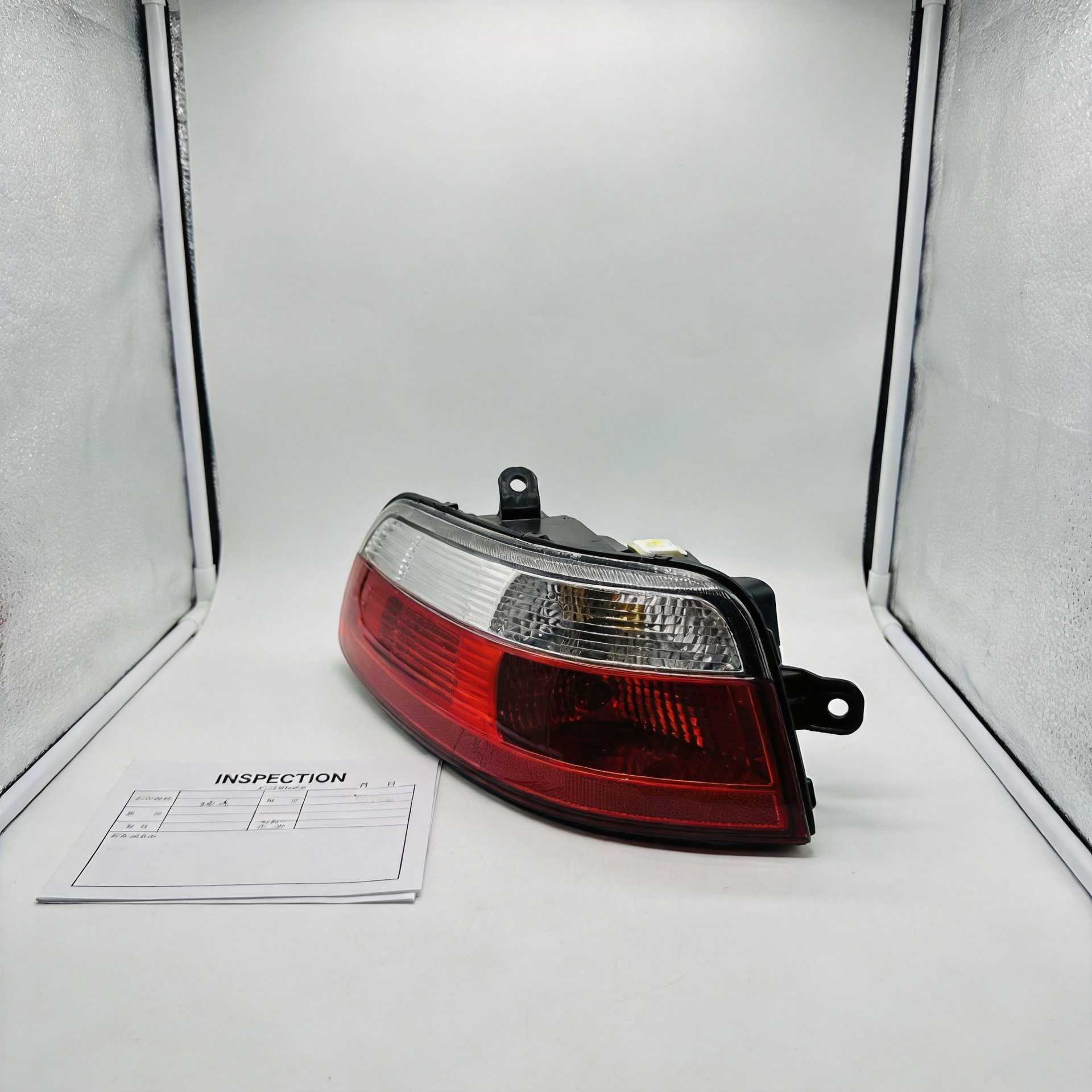
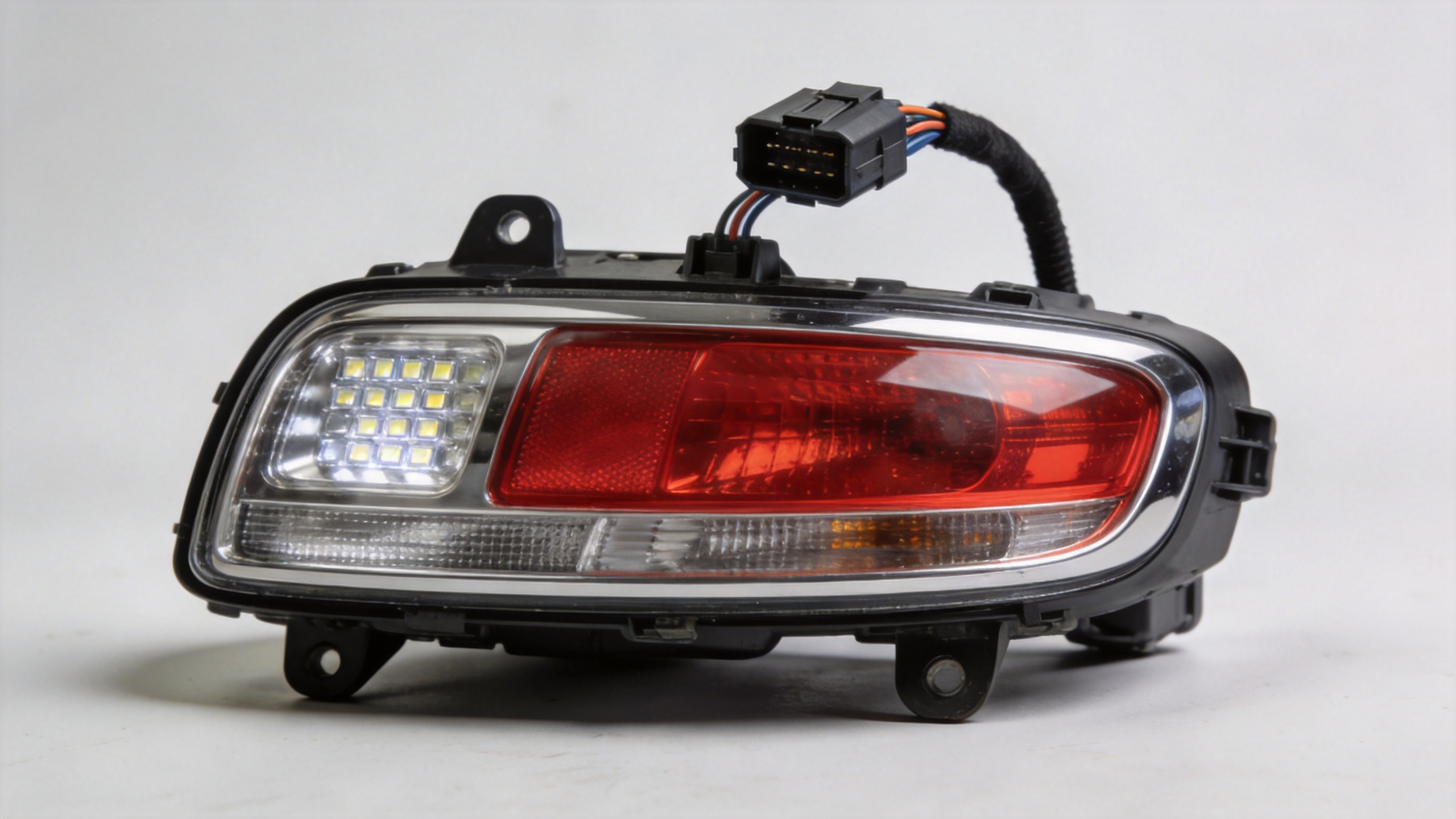
For older models, a suitable example is this LED running and steering-light tail lamp assembly for BMW MINI R50/R52/R53. For Countryman-oriented sourcing, buyers can review the available BMW MINI F60 LED conversion taillight assembly. The product pages are starting points for fitment review, not a substitute for confirming the vehicle specification before purchase.
What Defines an OEM-Style LED Retrofit?
OEM-style mini cooper tail lights aim to look at home on the vehicle. The design usually follows familiar housing proportions, restrained lens finishes, and a lighting signature that complements factory trim. This route suits buyers who want an updated rear appearance without making the car look radically modified.
A factory-inspired Union Jack graphic is a common example. It can add a recognizable MINI design cue while keeping the upgrade aligned with the car’s character. However, the graphic itself is not a fitment claim. Buyers still need to confirm the intended F55/F56 or other platform application, the lamp’s functions, the connector arrangement, and whether any coding or adapter hardware is required.
From a B2B perspective, OEM-style programs are often easier to position because the value proposition is clear: replacement-oriented fit, updated LED appearance, and a conservative visual result. For a private-label catalog, consistency in housing finish, packaging, application lists, and installation instructions matters as much as the light signature.
When Custom Tail Lights Are the Better Option
Custom tail lights are a better fit when the goal is differentiation rather than visual continuity. Options may include darker or clearer lens treatments, more pronounced LED signatures, sequential turn-signal effects, or a more stylized internal layout. These choices can help a retailer create a distinct product tier, but they add evaluation work.
Sequential indicators deserve special attention. They change the signaling presentation, so buyers should verify vehicle compatibility, wiring behavior, and the requirements that apply in the destination market. UNECE Regulation No. 48 addresses the installation of lighting and light-signalling devices, including rear direction-indicator provisions and static or sequential configurations. That makes documentation review a practical procurement step—not a detail to leave until after stock arrives.
For every custom conversion, ask for the exact application list, lamp-function description, installation guidance, connector photos, and available compliance documentation. Do not assume that a bmw tail light marketed for one MINI generation transfers to another, or that a sequential feature will work without supporting vehicle-side configuration.
Compare the Two Paths With a Procurement Matrix
| Decision factor | OEM-style retrofit | Custom conversion |
|---|---|---|
| Visual objective | Factory-inspired update | More individual rear-end signature |
| Fitment priority | Exact generation and housing match | Exact generation plus feature compatibility |
| Electrical review | Functions, connectors, warning behavior | Functions, connectors, sequential behavior, possible coding |
| Catalog positioning | Replacement or premium retrofit | Styling-focused upgrade tier |
| Risk to control | Assuming similar-looking lamps interchange | Assuming feature claims equal plug-and-play installation |
The appropriate choice is therefore not “OEM-style versus aftermarket” in the abstract. It is the option that meets the buyer’s generation-specific fitment, customer expectation, channel positioning, and installation-support requirements.
Installation Checks That Prevent Avoidable Returns
Before fitting mini cooper tail lights, inspect the lamp on arrival. Compare the housing and mounting points to the original unit, check connector type and pin layout, look for damage to seals or lens edges, and confirm the planned functions. During installation, protect painted trim, avoid forcing connectors, secure the assembly evenly, and check the seal before returning the vehicle to service.
After installation, test tail, brake, reverse, indicator, fog, and warning functions as applicable. If a conversion introduces an unfamiliar behavior, such as a sequential indicator, verify its operation from outside the vehicle rather than relying only on an in-cabin indicator. Where coding, adapters, or market-specific documentation may apply, refer the decision to a qualified installer or the relevant product documentation.
A Practical Buying Checklist for MINI LED Tail Light Programs
- Match the lamp to the exact MINI generation, body style, and model-year range.
- Confirm each required rear-lamp function before ordering.
- Choose an OEM-style look for a restrained retrofit, or custom tail lights for a differentiated line.
- Review connector, wiring, adapter, and possible coding requirements.
- Request market-relevant compliance information rather than assuming a claim applies to every destination.
- Plan installation instructions and post-installation function tests for every SKU.
For buyers developing an automotive-lighting range, the strongest mini cooper tail lights program is one that combines clear fitment information with an intentional design choice. Whether the goal is a factory-inspired Union Jack look or a more individual LED conversion, careful validation turns a visually appealing upgrade into a more dependable product decision.