EN
EN

LED Tail Light Assembly Replacement: How to Source the Right Fit for Fleet Orders
When you're replacing tail light assemblies across a fleet of 20, 50, or 200 vehicles, the margin for error shrinks fast. A single fitment mismatch (wrong OE reference, pin-count mismatch on the wiring harness, or a lens housing that clears the bumper on paper but binds under real torque) can turn a straightforward bulk order into an expensive return cycle. I've seen wholesale buyers fixate on per-unit cost and commit to a $6,000 order, only to absorb $3,000 in re-shipping and labor when fitment fails. The math rarely works out.
This guide covers the four questions every fleet manager or parts distributor should answer before signing off on an LED tail light assembly replacement order: OE number verification, wiring interface compatibility, pre-shipment fitment testing, and bulk order negotiation. We'll use a real example — the BMW X5 E70 (2006–2013) — to walk through the process.
1. How Do You Verify OE Fitment Before Placing a Bulk Order?
Start with the OE part number, not the vehicle title. Year-Make-Model lookups are useful for filtering candidates, but the OE number is the only reliable cross-reference that confirms the exact housing geometry, mounting tab pattern, and bulb socket configuration. For the E70 platform specifically, BMW used part numbers in the 63 21 series for tail assemblies — left and right inner/outer variants differ, and any swap across them fails at installation.
For fleet sourcing, the practical workflow is:
- Pull the OE part numbers from your fleet vehicle service records or VIN decoder tool.
- Ask your supplier to provide their internal cross-reference number alongside the OE reference — not just "fits BMW X5 2006–2013."
- Confirm the LED driver circuit voltage range (typically 12V ±10% for passenger vehicles; heavy commercial vehicles may run 24V systems). An LED tail light assembly replacement designed for 12V nominal will flicker or fail early on a 24V commercial chassis.
- Check whether the assembly covers the full optical unit or only the lens/housing. Full assemblies include the LED board, housing, and wiring pigtail — partial kits require bulb retrofitting and add labor cost at scale.
The tradeoff between generic fitment and vehicle-specific assemblies is real. A generic "fits 90% of applications" tail light assembly keeps your SKU count low but introduces a 10% exception rate that's invisible until vehicles come back from the field. For fleets running a consistent vehicle spec, vehicle-specific sourcing typically lowers total procurement cost.
2. What Wiring Interface Standards Must You Confirm?
Wiring mismatches are the hidden cost in LED tail light assembly replacement projects. The connector type, pin count, and terminal orientation must match the vehicle harness exactly — or you're adding a pigtail adapter to every installation unit, at $15–$30 per adapter and the labor time to install it.
Most passenger vehicle tail light assemblies in the US market use a 3-pin or 4-pin AMP connector (Econoseal or Delphi GT 150 series). European-market vehicles, including many BMW models, often use a different terminal pitch. Before ordering, confirm:
- Connector series and pin count — request a wiring diagram or connector spec sheet from your supplier.
- Compliance marking — US-market assemblies should carry DOT and SAE markings, confirming compliance with FMVSS 108 (photometry and safety performance). EU-market assemblies require ECE R7 (position/tail lamps) certification. An assembly without the correct marking is a compliance liability, not just a sourcing inconvenience.
- Canbus compatibility — LED assemblies draw significantly less current than incandescent. On vehicles with Canbus monitoring (common on European OEM platforms from 2008 onward), an unloaded circuit triggers a "bulb failure" error. Confirm whether the assembly includes a built-in load resistor or Canbus decoder module for these platforms.
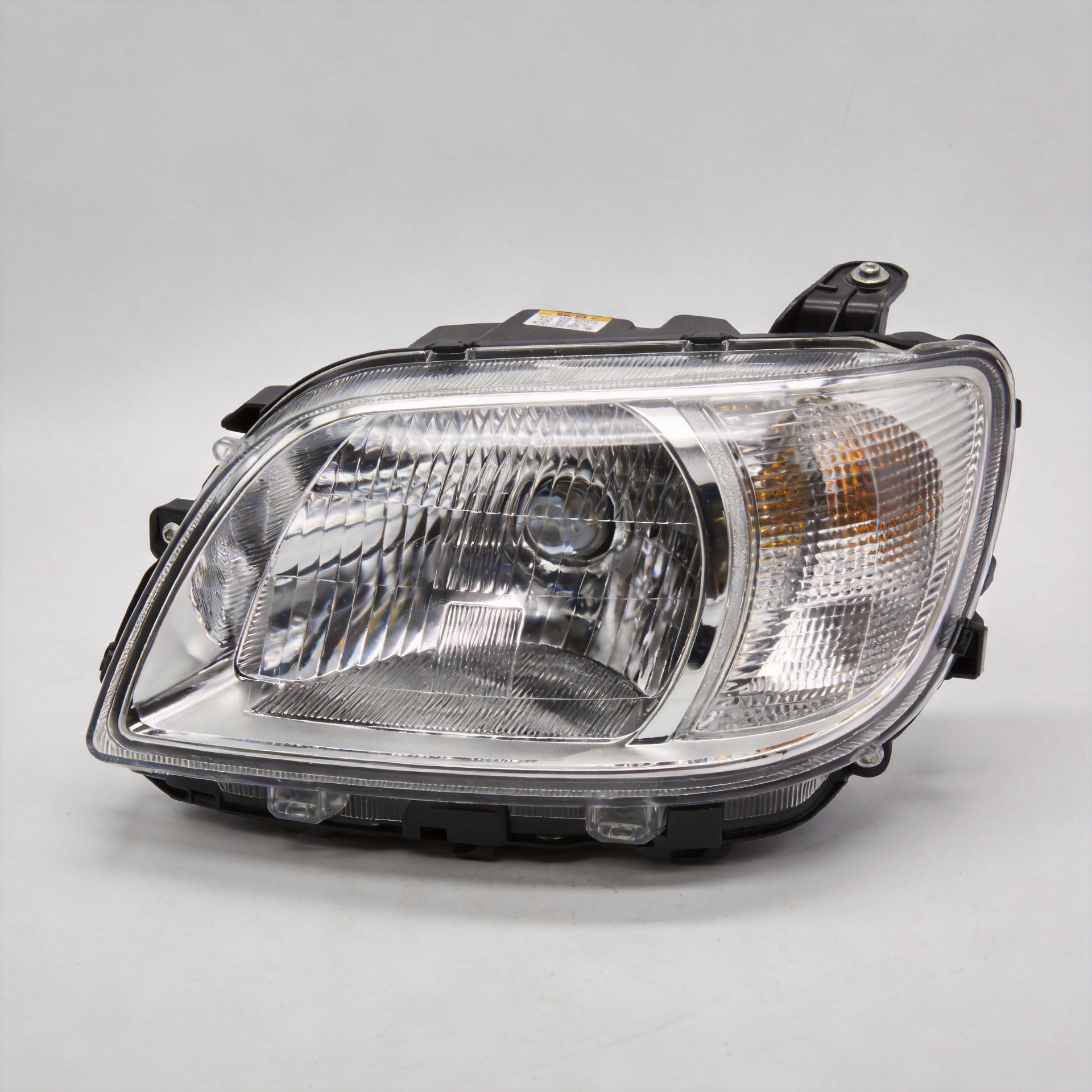
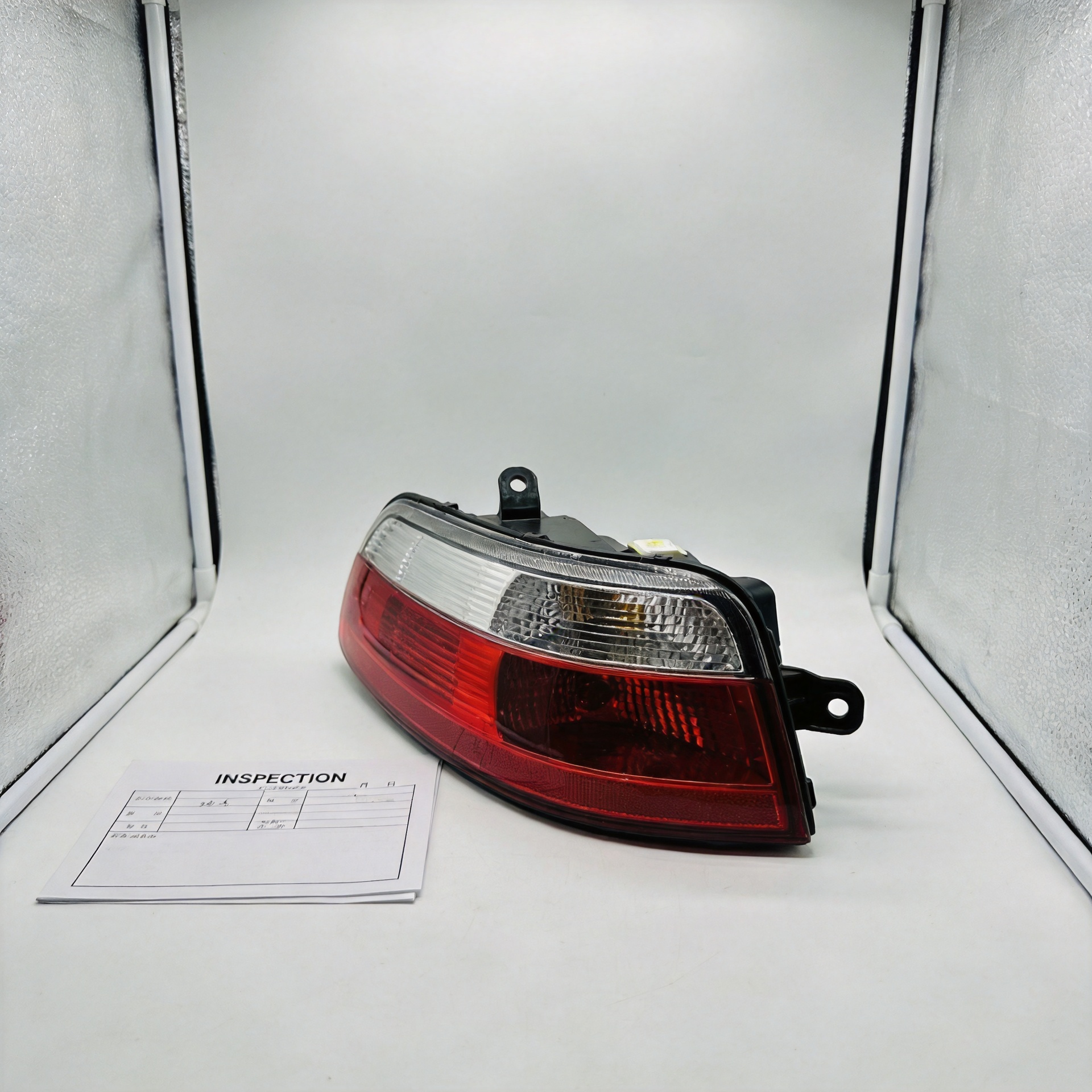
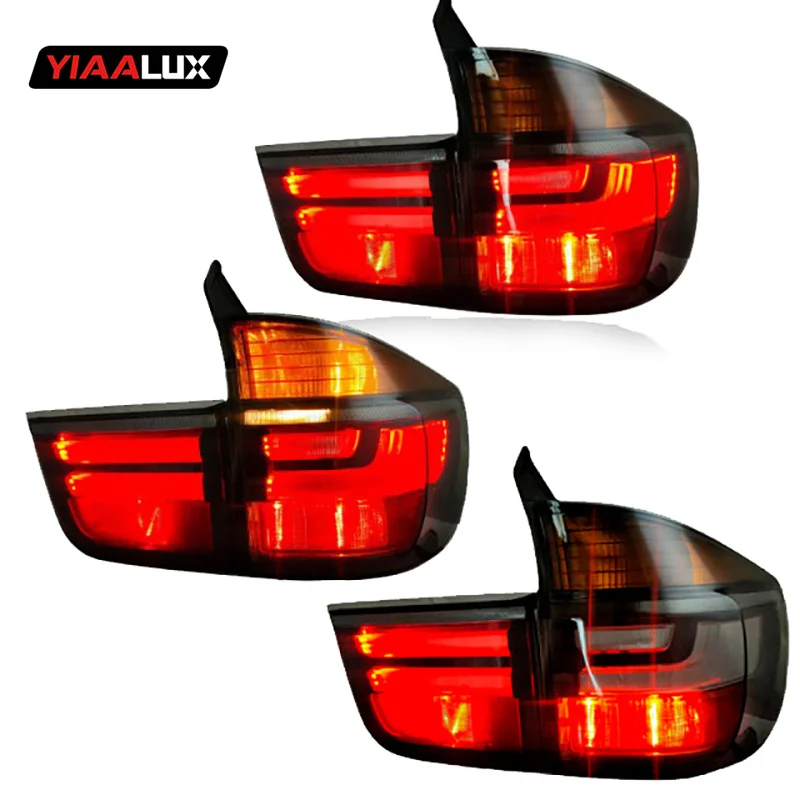
For a concrete example: the BMW X5 E70 tail light assembly uses an 8-pin connector with Canbus integration. An aftermarket LED tail light assembly replacement that omits the decoder will trigger dashboard warnings on every E70 in the fleet — turning a quality product into a field complaint. Suppliers like YIAALUX that manufacture BMW-specific assemblies address this at the product design level. Their 2006–2013 BMW X5 E70 tail light assembly is built for direct OE connector fitment and is engineered to meet the electrical interface requirements of the E70 chassis.
3. How Should You Run a Fitment Test on Samples Before the Batch Ships?
Sample approval and batch quality are two different things. A supplier's showroom sample is typically built to spec; production batches are where variation enters. For a fleet order, request a pre-production sample against your actual vehicle, not a reference vehicle at the supplier's facility.
A four-point test protocol for LED tail light assembly replacement samples:
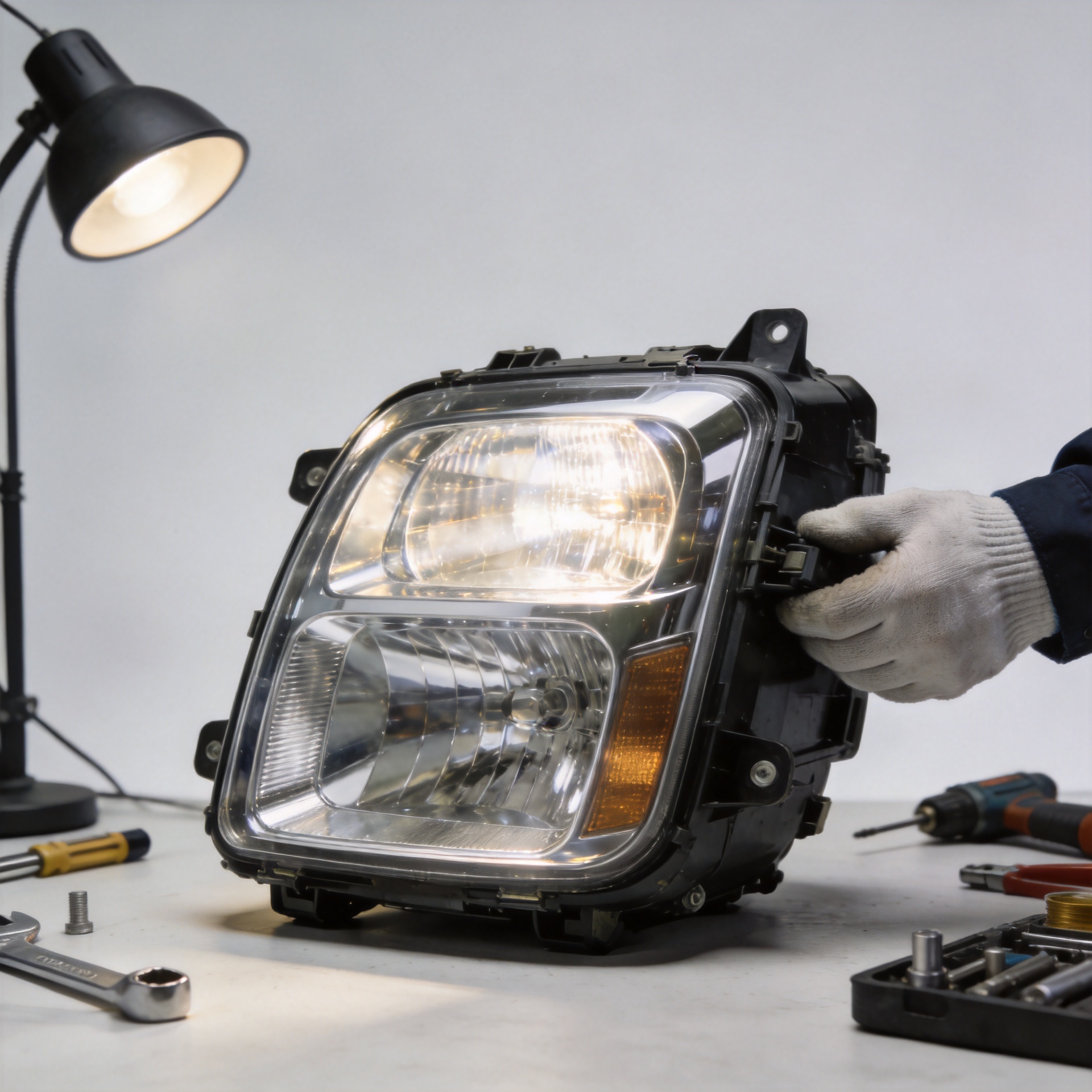
- Mechanical fitment — mount the assembly and verify all tabs engage, no housing flex under normal torque, and lens gap is uniform against the vehicle body panel.
- Electrical function — verify brake, tail, turn, and reverse functions under normal operating voltage. On Canbus platforms, confirm no dashboard fault codes are triggered.
- IP rating verification — for fleet vehicles operating in rain-intensive markets, confirm IP65 or IP67 rating. IP67 (temporary immersion to 1m for 30 minutes) is the appropriate baseline for commercial fleet vehicles. Request the test report, not just the label claim.
- Thermal stability — run the assembly at full load (brake function active) for 30 continuous minutes. LED drivers that run hot affect long-term lumen maintenance and seal integrity.
Only after sample approval should you release the batch purchase order. Confirm that the approved sample's production lot number is referenced in the purchase order — this is the mechanism that links your quality approval to the actual production run.
4. What Should You Negotiate in Your Bulk Order Quotation?
Fleet orders create negotiating leverage, but only if you use it on the right variables. Unit price is the most visible lever, but for a tail light assembly replacement order, these terms often matter more:
- Packaging per SKU — confirm carton quantity and inner pack matches your installation crew's workflow. A 12-unit carton is efficient at the fleet depot; a 50-unit carton creates handling overhead.
- Lead time for production batches — LED assembly production runs typically require 15–25 business days for custom or vehicle-specific configurations. For fleet maintenance planning, a committed lead time window is more valuable than a conservative estimate.
- Warranty and defect rate SLA — negotiate a DOA (dead-on-arrival) rate threshold (e.g., ≤1%) with a clear replacement process. For fleet-scale orders, a supplier that ships replacement units within 5 business days against a defect claim is worth more than a marginally lower unit price.
- Documentation package — confirm you will receive compliance certificates (DOT/SAE or ECE), a product specification sheet, and installation instructions per SKU. This documentation is required for compliance reporting in regulated markets and simplifies installer training across your fleet maintenance team.
Manufacturers with direct export capability — particularly those in China's automotive lighting production cluster in Jiangsu Province — can often offer competitive pricing on vehicle-specific LED tail light assemblies with full documentation. YIAALUX, based in Danyang, manufactures and exports automotive and motorcycle lighting across Europe, North America, and Asia, with OEM/ODM customization available for larger fleet programs. For buyers evaluating suppliers, their Alibaba store provides transaction history and buyer ratings as a baseline reference.

Final Checklist Before You Commit to a Fleet Order
Before releasing a purchase order for LED tail light assembly replacement at fleet volume, run through this confirmation list:
- OE part number cross-reference confirmed for every vehicle variant in scope
- Connector type, pin count, and Canbus compatibility verified
- Compliance marking confirmed (DOT/SAE for US; ECE for EU)
- IP rating test report provided (IP65 minimum; IP67 for commercial)
- Pre-production sample approved and lot number referenced in PO
- Lead time window committed in writing
- DOA replacement SLA agreed
- Full documentation package confirmed
Getting the sourcing process right on a fleet tail light assembly replacement order costs a few hours of upfront verification. Getting it wrong costs returned shipments, field labor, and fleet downtime. The checklist above is what separates procurement managers who close clean orders from those who manage expensive corrections.