EN
LED Tail Light Assembly FAQs for Wholesale Buyers
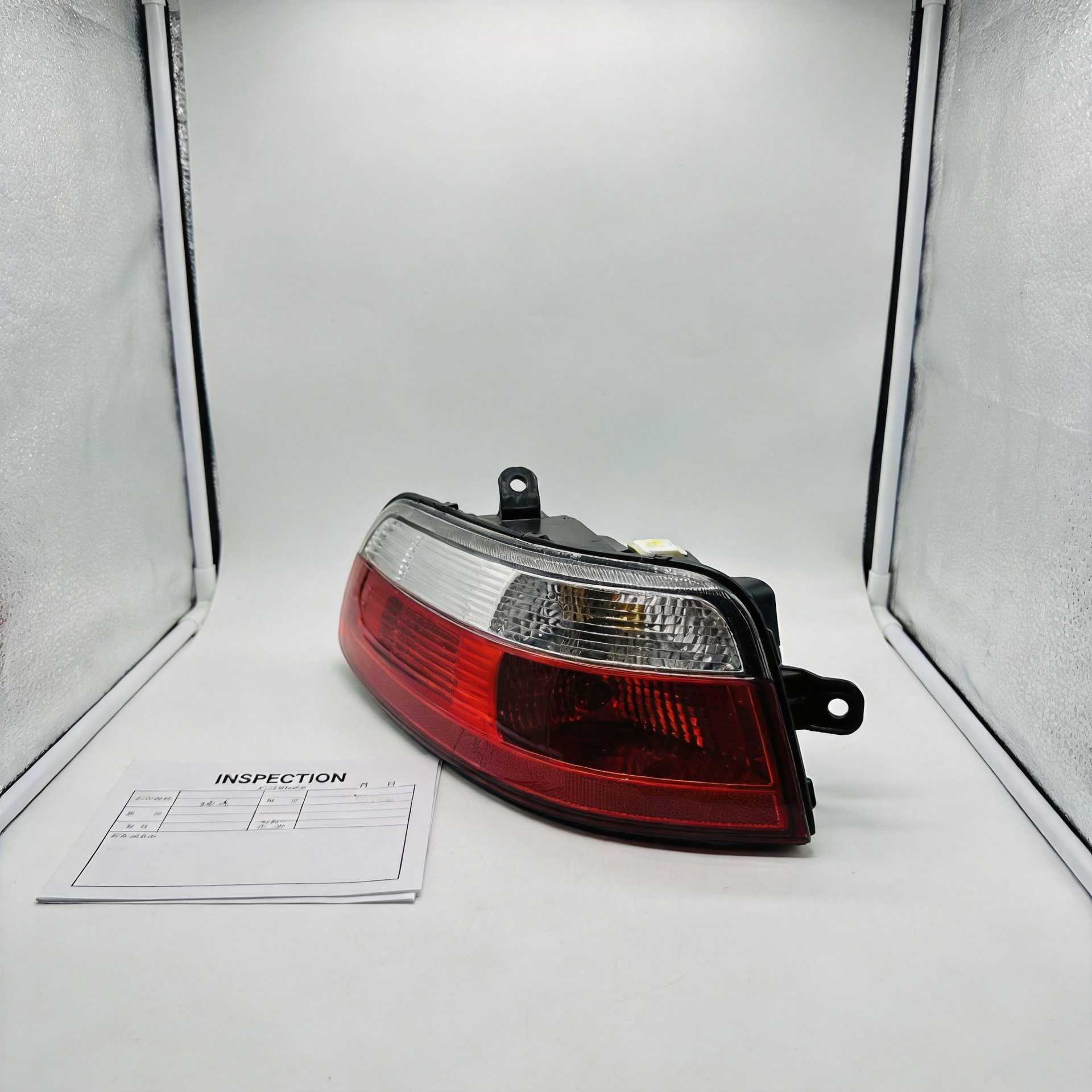
For an automotive-parts wholesaler, a tail light assembly is not simply a rear lamp to add to a catalog. It is a vehicle-specific safety component that has to match the target model, model year, side position, mounting points, connector, and lighting functions. A small mismatch can turn a promising order into returned inventory. This FAQ helps buyers prepare clearer RFQs, evaluate samples, and reduce avoidable fitment questions before a bulk purchase.
What should a wholesale buyer confirm before ordering a tail light assembly?
Start with vehicle identification rather than a photograph alone. A useful inquiry lists the make, model, production year range, body style, market destination, and whether the requested tail light assembly is for the left, right, or both sides. Ask the supplier to confirm the OEM or reference number when it is available, then compare the mounting-tab layout and connector position against the original part or a verified drawing.
Also state the functions required in the rear lamp: tail/running light, brake light, turn signal, reverse light, rear fog light, reflector, or other vehicle-specific functions. The goal is not to assume that two lamps which look similar are interchangeable. The correct tail light assembly must work with the vehicle’s expected functions and physical interfaces.
Is a pair always included, or should I order left and right assemblies separately?
Treat a quotation as incomplete until it clearly states whether it covers a pair. In the aftermarket, a tail light assembly may be sold as a single left-hand unit, a single right-hand unit, or a matched set. Ask the supplier to put the side designation, quantity per carton, and whether the price is per piece or per set directly on the quotation. For markets where vehicles are configured differently, also clarify whether the lamp is designed for left-hand-drive or right-hand-drive applications and how the rear fog or reverse-light function is arranged.
For a new SKU, ordering a left/right sample set is usually more informative than inspecting only one side. It lets the buying team verify symmetry, lens appearance, connector differences, packaging labels, and the way both assemblies sit on the vehicle.
What does “plug and play” mean for a tail light assembly?
“Plug and play” is useful language only when the exact application is confirmed. In a practical purchasing conversation, it should mean that the specified tail light assembly is intended to use the matching vehicle-side connector and mounting locations without an unplanned harness modification. Buyers should still request photos of the connector face, rear housing, mounting points, and supplied components before approving a bulk order.
If the purchase involves an LED version replacing a different original configuration, ask what is included and what the installer must provide. Confirm bulbs, harnesses, seals, resistors, or adapters only when the supplier has documented them for the intended application. Avoid presenting an installation claim to your customers until the sample has been checked on the target vehicle.
How do I evaluate fitment and quality from a sample?
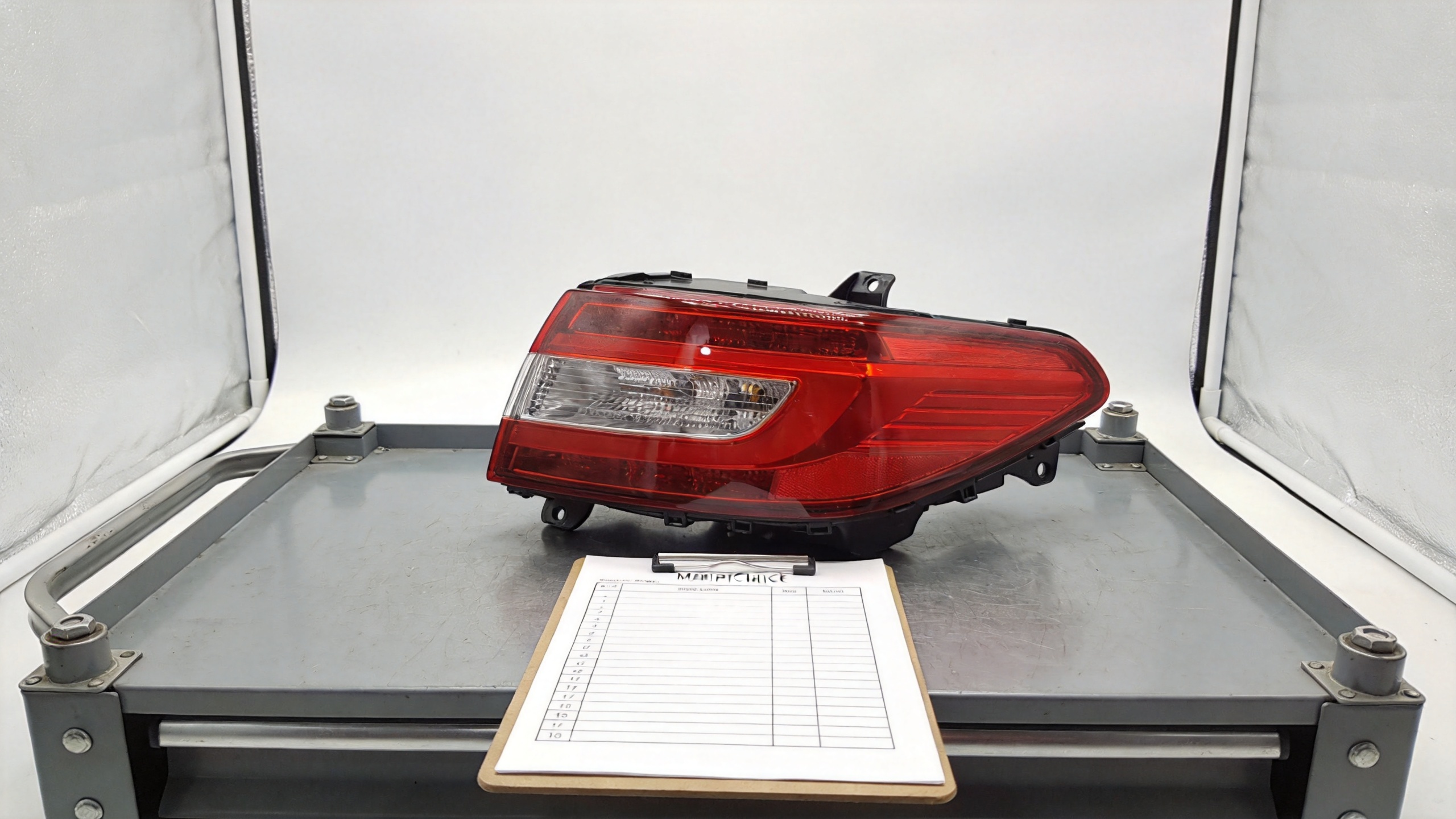
A sample review should be structured. First, compare the part number, vehicle application, side marking, lens color, and external dimensions with the approved reference. Next, test the tail light assembly on the correct vehicle or a validated fixture: mounting tabs should align without forcing them, the connector should seat correctly, and each required lighting function should operate as expected.
| Sample check | Why it matters for wholesale purchasing |
|---|---|
| Vehicle/year/trim identification | Prevents catalog entries that combine visually similar but incompatible applications. |
| Left/right designation | Avoids mixed inventory and incomplete replacement orders. |
| Mounting tabs and connector | Helps identify fitment issues before cartons reach distributors or installers. |
| Lighting functions | Confirms the requested tail, stop, turn, reverse, and fog functions for the target market. |
| Lens, housing, seals, and packaging | Supports a consistent inspection standard for transit and shelf handling. |
Record the result with dated photos and a simple pass/fail checklist. This gives both buyer and supplier a shared reference before production or repeat ordering.
Which compliance questions belong in the RFQ?
Compliance depends on the destination market and the exact vehicle application. Rather than assuming a generic statement applies everywhere, tell the supplier where the tail light assembly will be sold and request the documentation or markings relevant to that market. Buyers commonly ask about applicable DOT/SAE or E-mark-related requirements, but the final requirement should be checked against the local regulation, product configuration, and customer program.
It is equally important to ask whether the quoted version, the sample, and the production version are the same configuration. Keep compliance discussions tied to a part number, application, and market. This makes it easier to manage product pages, packaging text, and customer questions without overstating what has been verified.
What information makes a tail light assembly RFQ easier to quote?
A complete RFQ reduces back-and-forth and makes comparisons between offers more meaningful. Include:
- Vehicle make, model, year range, body style, and target market
- Left side, right side, or pair; required quantity and expected reorder pattern
- Reference number, original-part photos, or clear images of the rear connector and mounting area
- Required lighting functions, lens color, and any packaging or private-label requirements
- Sample request, inspection criteria, delivery destination, and preferred Incoterm
For example, buyers sourcing a 2014–2018 BMW X5 F15 rear lamp can review the application details for the 2014–2018 BMW X5 F15 LED tail lamp and use the confirmed product page as one starting point for a sample discussion. The link does not replace fitment verification; it helps keep the inquiry tied to an identified application.
Can I use “headlight glass change” as a comparable repair request?
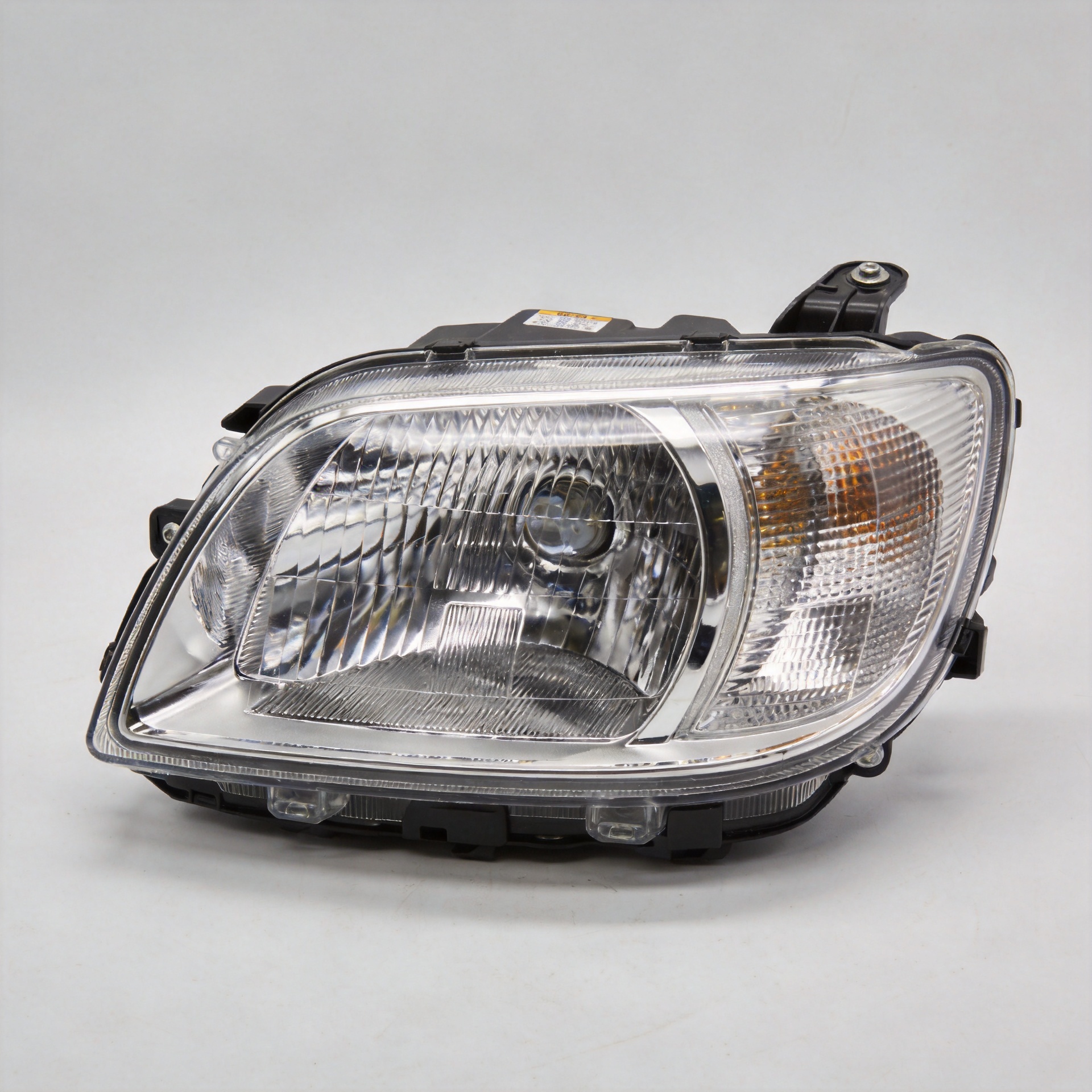
Not directly. A headlight glass change normally concerns a front-lamp lens repair or refurbishment question, while a tail light assembly inquiry concerns a rear-lamp assembly and its vehicle-specific functions. Both requests benefit from accurate vehicle identification and clear photos, but they should be cataloged and quoted as different product situations. Keeping that distinction clear helps a wholesaler avoid sending the wrong images, parts, or installation guidance to a customer.
What should happen after the first sample is approved?
Before placing a larger order, convert the approved sample into a repeatable specification. Confirm the SKU name, application list, side designation, visible lens color, connector version, carton quantity, labeling, inspection points, and destination-market requirements. Then ask the supplier to use the same reference in the proforma invoice and production communication.
For automotive and motorcycle lighting buyers, disciplined preparation is usually more valuable than a fast but vague quotation. A well-defined tail light assembly request gives your team a cleaner basis for sample approval, catalog setup, and future replenishment.