EN
LED Automotive Lighting Product Range: How to Prioritize Categories
For a wholesaler, distributor, or vehicle-program buyer, building an LED automotive lighting range is not a matter of adding every lamp type at once. The better question is which categories create a credible, sellable range first—and which ones can wait. LED headlights for cars should usually anchor that decision because they carry high visibility, strong fitment requirements, and a direct effect on how buyers judge the rest of the range.
A practical portfolio starts with the jobs each lamp performs: forward visibility, rear signaling, adverse-weather support, and daytime identification. It then weighs demand, vehicle coverage, compliance exposure, installation complexity, and the cost of carrying variants. This approach is especially useful for buyers serving both aftermarket channels and OEM-oriented programs.
Start with the category that defines the range: LED headlights for cars
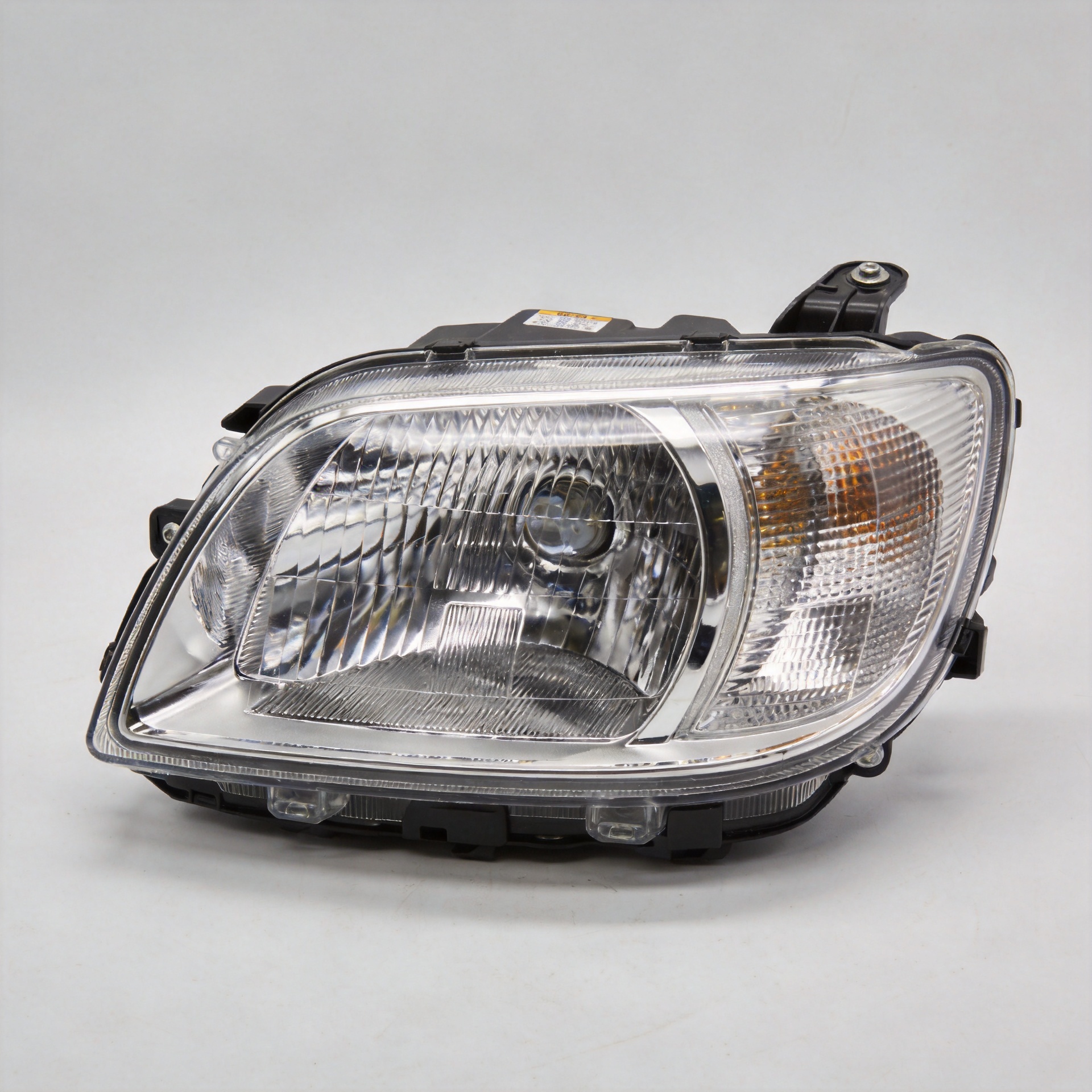
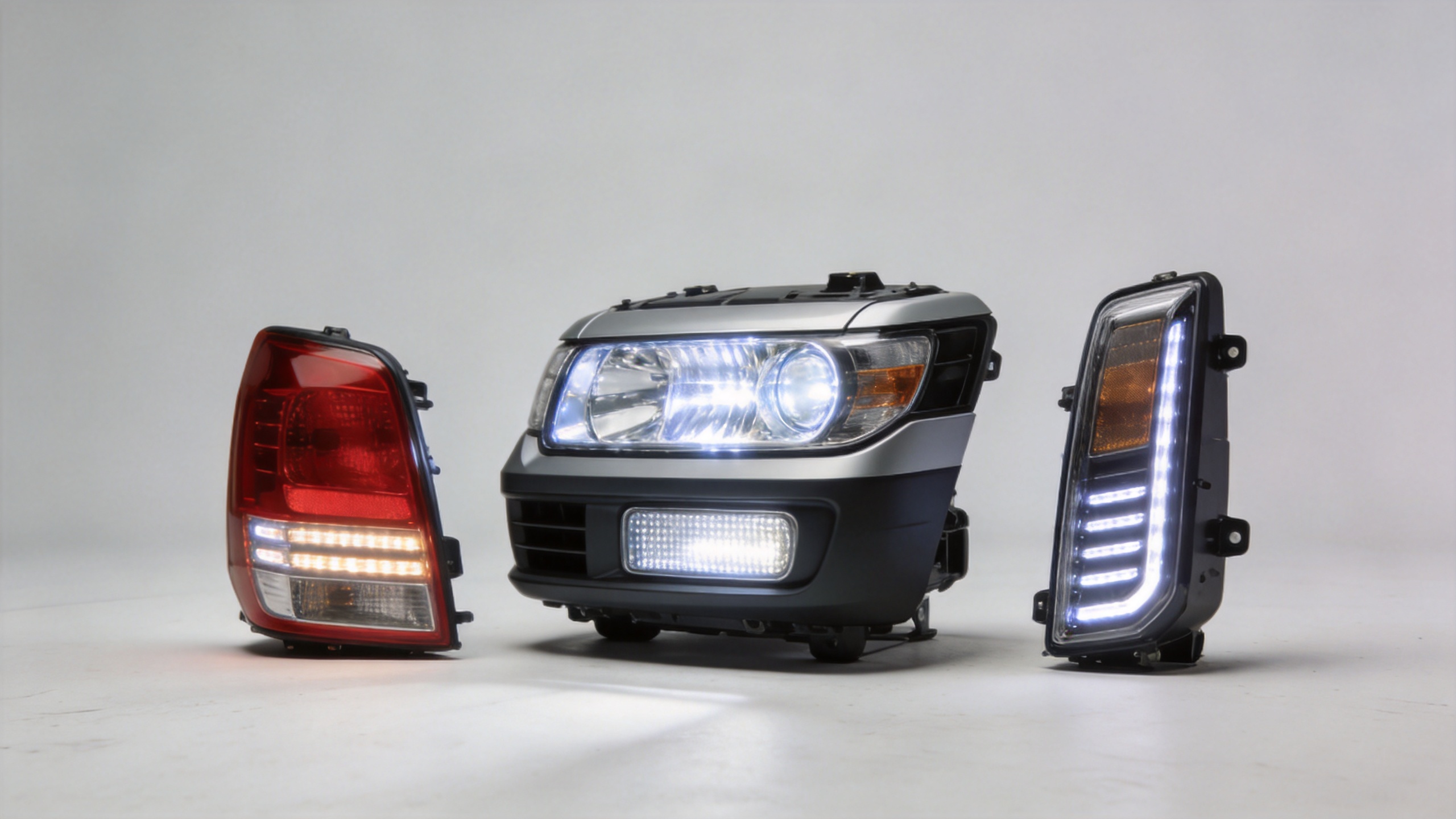
LED headlights for cars deserve first priority when your customers need vehicle-specific replacements, upgraded front-end styling, or a clear product family to lead catalog navigation. Headlight assemblies are visually prominent, application-sensitive, and often central to a buyer’s first inquiry. They also set the standard for your fitment data, packaging discipline, wiring documentation, and quality-control process.
Do not treat every headlight as the same SKU. Separate the range into OE-style replacement assemblies, styling-led assemblies, and bulb-based upgrades. An OE-style assembly can be the right entry point for repair-oriented distributors, while a styling-led product may suit markets where appearance upgrades drive demand. Bulb upgrades can broaden coverage with less inventory, but they require clear compatibility and road-use messaging.
For example, a vehicle-specific item such as the 3 Lens Car LED Headlight for Toyota Highlander 2018–2021 can serve as a useful catalog proof point: it shows the importance of model-year fitment, front-end design consistency, and installation expectations. It should not, however, be used to assume unverified performance claims or approvals across other applications.
Build the second tier around car tail lights and repeatable rear-end coverage
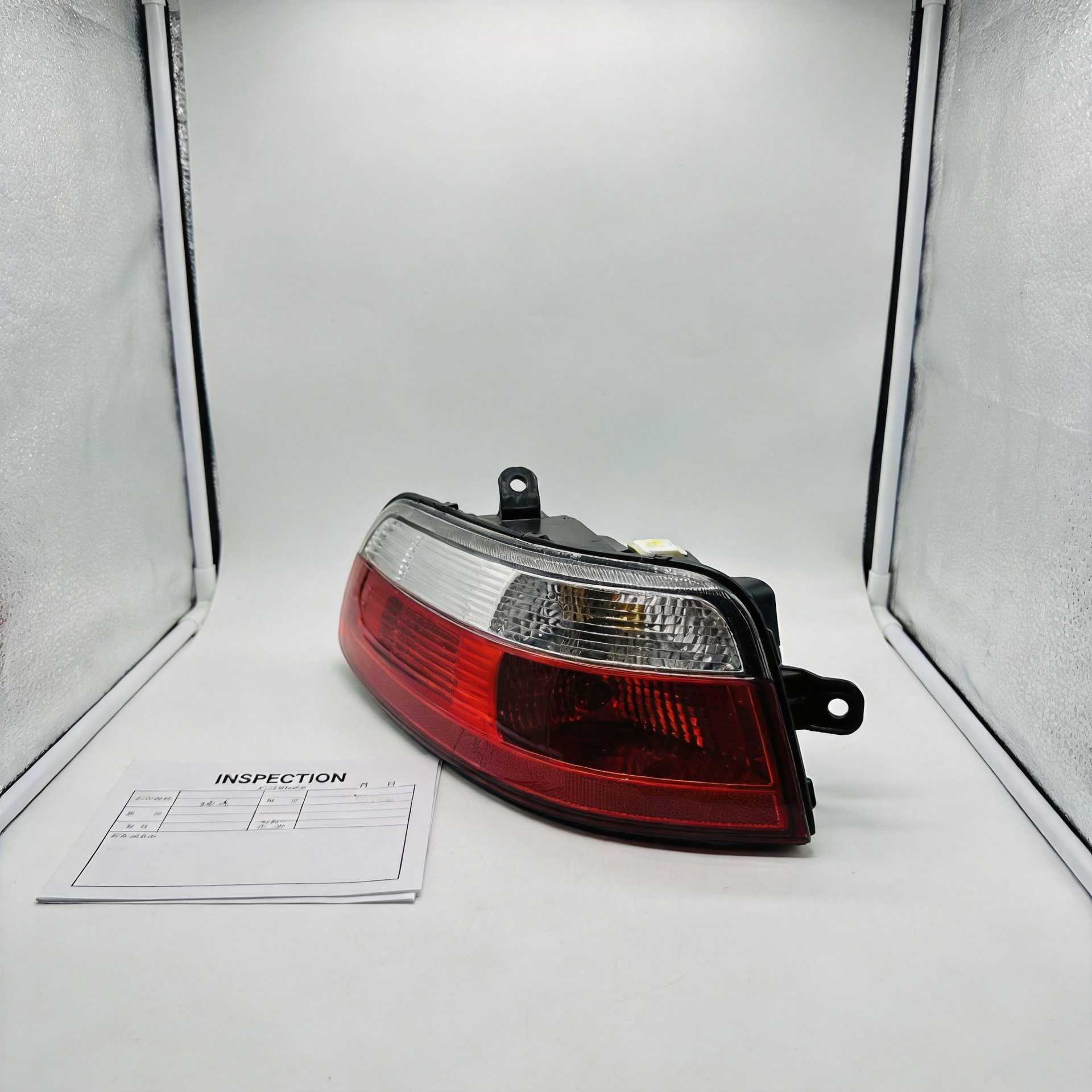
Once the front-lighting foundation is clear, car tail lights are often the next category to prioritize. Rear lamps are a natural companion category because they address the same vehicle-platform logic: buyers want coherent coverage for popular models, reliable connector and mounting fit, and consistent styling across the vehicle.
Prioritize tail-light applications where the same vehicle platforms already perform well in your headlight range. This reduces catalog fragmentation and lets the sales team present a more complete offer. For wholesale customers, it also makes replenishment easier: a buyer can plan front and rear lighting around a shared set of high-turnover models instead of placing isolated orders across unrelated platforms.
At this stage, inspect the full rear-light decision, not only appearance. Signal function, sealing, connectors, mounting points, packaging protection, and market-specific requirements all matter. A lamp that looks correct in a sample but varies across later batches can create costly returns. In B2B purchasing, comparing unit price alone can hide the larger cost of replacement frequency, claims handling, and lost account confidence.
Use fog lights and DRLs as targeted range extenders
Fog lights and daytime running lights should usually follow the core headlight-and-tail-light range rather than lead it. They can add useful depth, but demand is more dependent on local driving conditions, vehicle architecture, and the buyer’s preferred mix of repair, upgrade, and styling products.
Fog lamps are most relevant where customers need adverse-weather visibility support or maintain a strong replacement-parts business. DRLs can be attractive for modern styling programs and vehicle-specific upgrades, but they deserve careful electrical and installation review. The priority is not to maximize the number of lamp types; it is to add the categories that share fitment logic, target vehicles, and sales channels with the core range.
A simple test helps: if a category cannot reuse your existing application data, quality checks, and customer segment, it may be a later-phase category. It can still be profitable, but it should not absorb early inventory and development capacity ahead of LED headlights for cars and car tail lights.
Score every category with a B2B prioritization matrix
Use a weighted scorecard before committing to a category. The exact weights will vary by market, but the same five questions make the discussion more disciplined.
| Decision factor | What to evaluate | Why it matters |
|---|---|---|
| Demand and vehicle base | Target models, model years, and buyer inquiries | Prevents investment in visually attractive but narrow applications. |
| Fitment complexity | Mounting, connectors, harnesses, and installation guidance | Controls return risk and technical support burden. |
| Compliance path | Target-market documentation and applicable road-lighting requirements | Separates export-ready planning from a purely cosmetic product list. |
| Margin and lifecycle cost | Packaging, damage risk, warranty exposure, and replenishment potential | Shows whether a low initial price masks higher after-sales cost. |
| Portfolio fit | Shared platforms, shared buyers, and cross-selling potential | Creates a range that sales teams can explain and stock efficiently. |
Compliance deserves a specific checkpoint. UNECE Regulation No. 149 covers road-illumination devices including headlamps with driving and/or asymmetrical passing beams, while the U.S. framework includes FMVSS No. 108 for lamps, reflective devices, and associated equipment. These references do not certify a product by themselves. They show why Europe and North America need separate documentation reviews before a category is positioned for on-road use.
Sequence the launch instead of launching every category at once
For most B2B programs, a three-wave rollout is easier to control. Wave one contains high-demand, vehicle-specific LED headlights for cars for the priority platforms. Wave two adds matching car tail lights and the most relevant replacement or styling variants. Wave three introduces fog lights, DRLs, and other specialized lighting only after demand, fitment accuracy, and batch quality are proven.
This sequencing also supports better supplier management. Before broadening the range, check whether the first batches maintain consistent lens finish, connector quality, mounting alignment, and packaging protection. A visually successful sample is only the start; repeatability across batches is what makes a category safe to scale.
Turn category priorities into a buyer-ready offer
For a company serving automotive and motorcycle parts wholesalers as well as vehicle manufacturers, the strongest lighting range is one that gives customers a clear path from application to order. Lead with fitment-led LED headlights for cars, attach car tail lights on the same high-value vehicle platforms, then extend the offer with fog lamps and DRLs where market demand and compliance preparation justify them.
Keep each category decision evidence-based: validate the target vehicle population, confirm documentation needs, inspect sample-to-batch consistency, and make the cross-sell logic visible in the catalog. That is how a product range becomes more than a collection of lamps—it becomes a manageable, scalable lighting program for buyers.