EN
EN
How to Source Headlamp Covers in Bulk: Supplier Evaluation Checklist
Buying a headlamp cover in volume is not the same as ordering a few replacement parts. For wholesalers, private-label programs, and vehicle-parts distributors, a small mismatch in fit, optical clarity, coating, or carton protection can turn one shipment into a costly returns problem. This checklist helps B2B buyers evaluate a supplier before placing a production order for replacement headlamp lenses and outer covers.
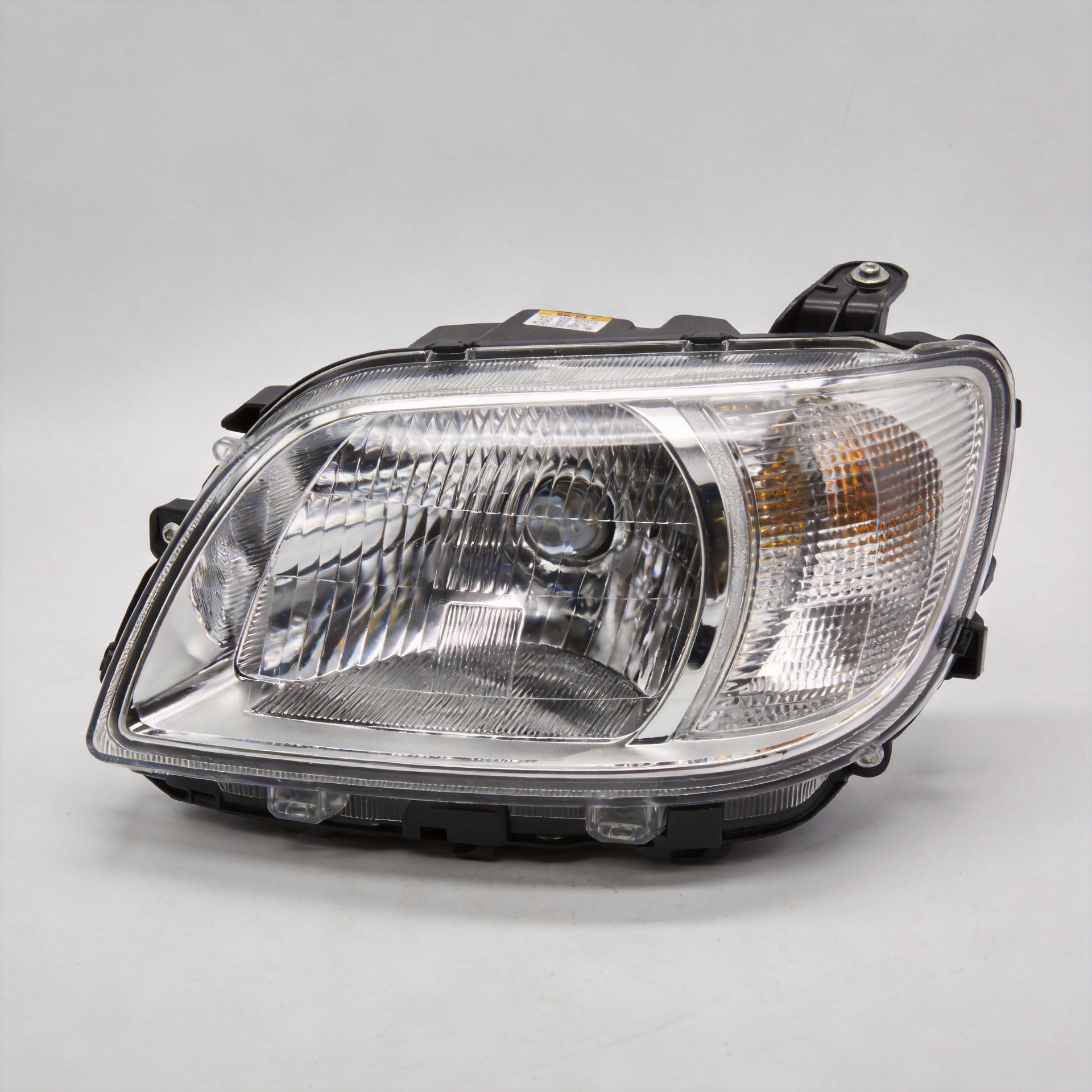
Start by separating the product you need from adjacent categories. A replacement headlamp cover or outer lens must match a specific lamp assembly; a tinted film or clip-on protector serves a different purpose. Put the vehicle application, lamp side, model year, and replacement scope in writing before you compare quotations.
1. Confirm vehicle coverage before discussing price
Ask each supplier for a fitment matrix, not just a product photo. The matrix should identify make, model, year range, left- or right-hand position, and any trim or lamp-version distinction. It should also clarify whether the headlamp cover replacement is supplied as a lens only, with seals, or as part of a larger assembly.
- Request OEM or aftermarket reference numbers where available.
- Ask for drawings, key dimensions, mounting points, and a sample-fit confirmation process.
- Check whether the supplier distinguishes LHD and RHD lamp variants when relevant.
- Require written confirmation of revision control if the mold or vehicle application changes.
For example, buyers sourcing a lens for a specific SUV application can review the supplier’s Land Rover Velar 2018–2021 headlight cover lens listing as a starting point for application-specific discussions. A listing is not a substitute for sample validation, but it gives the purchasing team a concrete application to document.
2. Evaluate material, clarity, and coating as one system
Many modern outer lenses use polycarbonate because it supports lightweight, complex lamp shapes. That does not mean every polycarbonate headlamp cover will perform the same way. Ask what resin grade is used, whether the material is virgin or blended, and how the supplier controls color, transparency, and molded stress marks.
UV protection and surface treatment deserve their own questions. A clear cover can look acceptable on arrival yet yellow, haze, or scratch prematurely in service. Request the supplier’s test method, sample condition, and acceptance criteria for optical clarity, UV exposure, abrasion resistance, and impact resistance. If the supplier cannot provide a documented test plan, make physical sampling and third-party inspection part of the purchase order.
3. Check mold consistency and batch quality controls
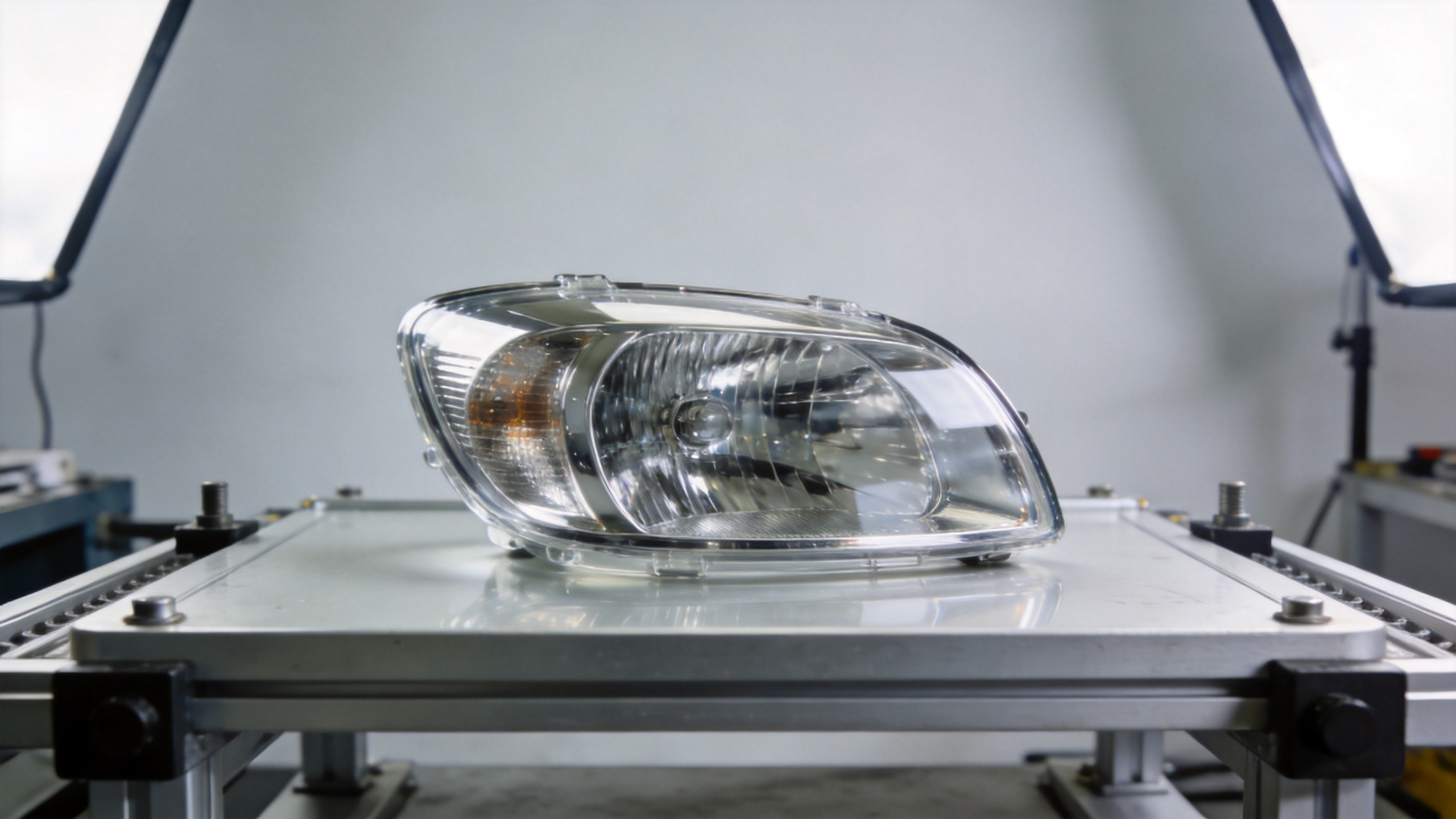
For bulk orders, the concern is not whether one sample fits; it is whether the same headlamp cover fits consistently across every carton. Review how the supplier manages mold cavities, process settings, first-article approval, and batch traceability. A capable supplier should be able to explain how they isolate a cavity issue, control trimming, and record inspection outcomes.
| Control point | What to request | Why it matters |
|---|---|---|
| First article | Approved sample or dimensional record | Sets the reference before mass production |
| In-process checks | Inspection frequency and defect criteria | Reduces mixed or warped lenses |
| Lot traceability | Lot code and production-date record | Supports targeted claims handling |
| Final inspection | Photos, AQL plan, or inspection report | Verifies visible quality before shipment |
Ask to see how the supplier handles common issues such as flash, sink marks, uneven coating, haze, scratches, and distorted edges. The answer should include a corrective-action process, not only a promise to replace defective units.
4. Review compliance and market documentation early
Lighting requirements vary by destination and by whether you sell a complete lamp, a replacement lens, or an accessory. UN Regulation No. 48 addresses vehicle approval concerning the installation of lighting and light-signalling devices. Use this as a prompt to verify the documentation relevant to your market; do not assume that a generic document proves approval for a particular headlamp cover application.
Before production, ask which markings, technical documents, material declarations, and test records can be supplied for the intended market. Your team should also verify whether replacing an outer lens affects the approval status of the complete lamp assembly. When documentation is incomplete, treat it as a sourcing risk and clarify responsibility in the contract.
5. Test packaging for the real shipping route
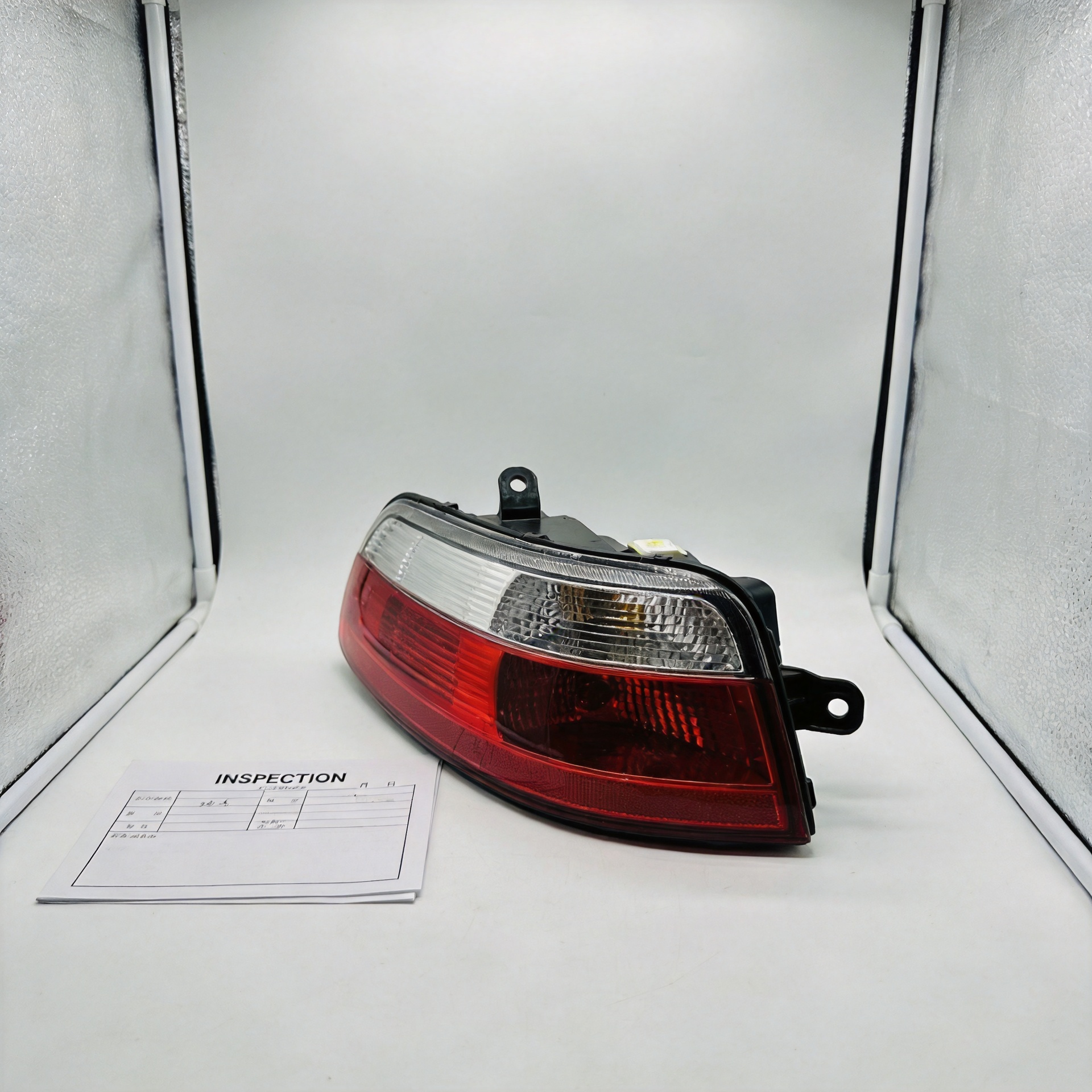
Clear lenses are vulnerable to scratching, rubbing, and corner damage. A low unit price can disappear if packaging causes avoidable claims. Ask for individual protective film or bags, internal dividers, carton drop-test practices, pallet configuration, and humidity protection for sea freight. Request packed-sample photos and, for a new supplier, inspect a trial shipment after it reaches your warehouse.
Specify label content as well: SKU, vehicle application, side, quantity, lot code, and barcode requirements. Clear labels prevent warehouse picking errors between visually similar headlamp cover replacement parts.
6. Compare lead time, capacity, and communication discipline
Evaluate quoted lead time alongside capacity evidence. Ask what portion of the timeline covers tooling, material preparation, molding, coating, inspection, and packing. Confirm the supplier’s minimum order quantity, sampling lead time, production lead time, and escalation contact for quality issues. A supplier with an established quality process, sample-testing support, technical documents, and batch-production planning can make replenishment more predictable, but each capability should be verified for your order.
Final supplier scorecard
Before approving a bulk purchase, score every candidate against fitment accuracy, material and coating evidence, mold consistency, quality records, compliance documentation, packaging, commercial terms, and response quality. Require a pre-production sample, record any approved deviations, and attach the agreed inspection criteria to the purchase order. This turns a headlamp cover quotation into a controlled sourcing decision rather than a price-only comparison.