EN
How to Compare H7, H11, and H13 LED Headlight Options
When buyers compare H7, H11, and H13 LEDs, the first mistake is treating the bulb code as a brightness rating. It is not. The code identifies a physical and electrical interface that has to match the vehicle’s original lamp position. This matters even when the project also includes drl lights: daytime visibility lighting and a low- or high-beam replacement are related parts of a lighting system, but they do different jobs.
For wholesalers, workshops, and vehicle-program buyers, the useful question is not “Which LED has the most appealing listing?” It is “Which base, beam function, connector, and installation envelope does this vehicle require for the application?” That shift avoids costly returns and helps preserve the intended beam pattern.
Start by separating DRL function from headlight-bulb fitment
DRL lights, or led daytime running lights, are forward-facing lights that help make a vehicle more noticeable in daytime traffic. They are not automatically a substitute for a low beam or high beam. A vehicle may have separate drl lights, may use a reduced-output headlamp function as a DRL, or may integrate the function into a complete headlamp assembly.
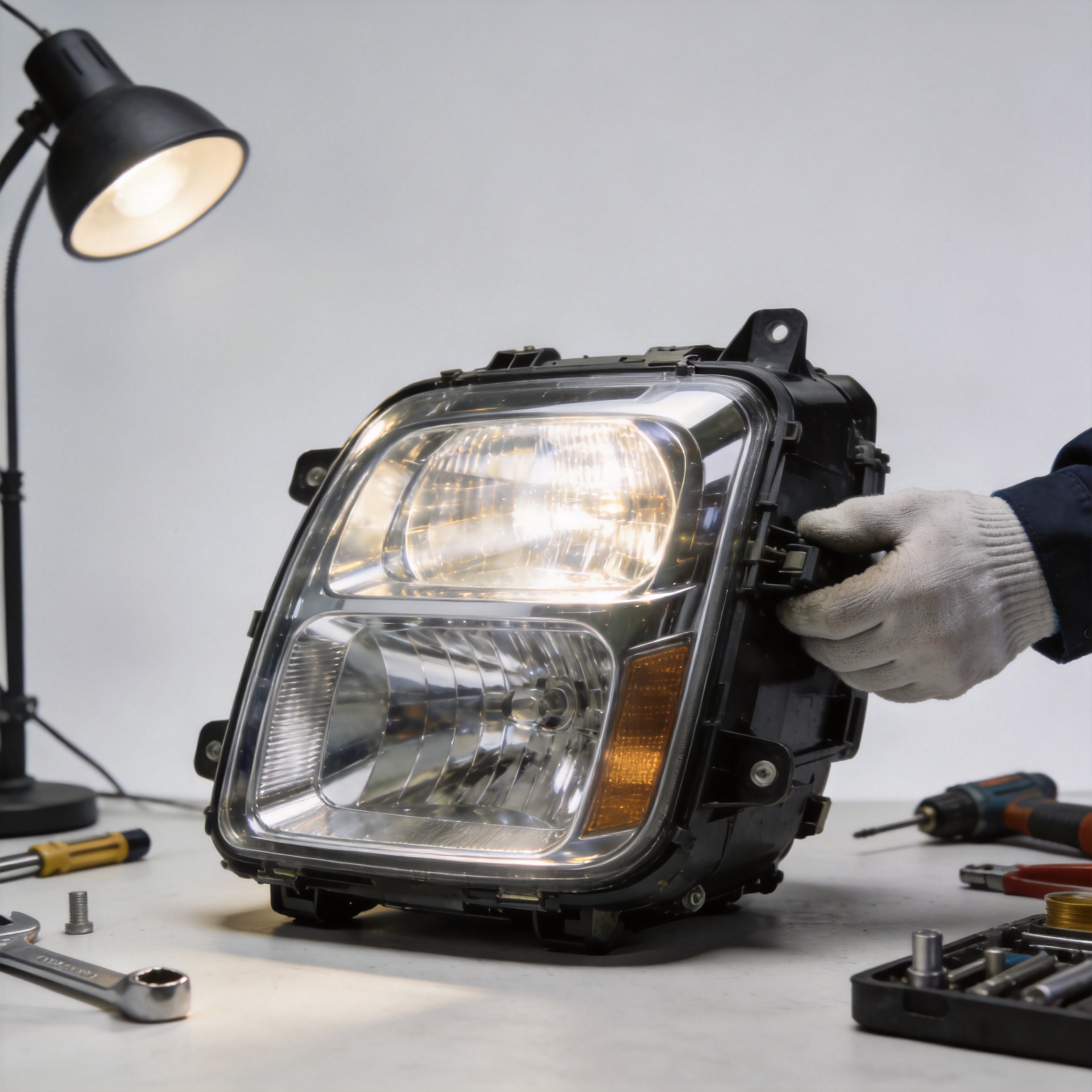
That is why a bulb comparison should begin with the OE service information and the lamp housing, not with a photo of an LED kit. Before selecting an H7, H11, or H13 LED, confirm the original bulb designation, the beam position, the connector shape, and whether the vehicle’s drl lights share circuitry with the headlamp. If the original system uses a dedicated DRL module, replacing the main bulb will not necessarily change its daytime-running function.
H7 vs. H11 vs. H13: the practical difference
| Format | Typical role | Key selection point |
|---|---|---|
| H7 | Usually one beam position, depending on the vehicle | Verify the retaining tabs, connector, and whether the lamp position is low or high beam. |
| H11 | Commonly a low-beam or fog-light position | Do not assume it fits an H7 opening; the base and plug design are different. |
| H13 / 9008 | Typically a dual-beam high/low position | Confirm that the LED replacement supports the vehicle’s dual-beam function and connector layout. |
H7 and H11 are often discussed together because both are common replacement formats, but their locking geometry and connectors differ. They are therefore not automatic substitutes. In many vehicles, each serves a single beam position; the exact role depends on the original headlamp design. H13 is different because it is generally used as a dual-beam format, combining low- and high-beam functions at one position. That functional difference affects wiring, heat management, and the LED emitter layout.
In short, drl lights describe a function, while H7, H11, and H13 identify bulb families. A product listing that blends those terms without a fitment check can confuse buyers and create an incorrect installation expectation.
Compare the whole installation, not only the LED chip
For a replacement project, the bulb base is only the first filter. The next checks are equally important:
- Beam position: confirm whether the bulb serves low beam, high beam, fog light, or both beams.
- Connector and polarity: compare the vehicle plug with the LED harness and confirm whether a dedicated adapter is genuinely required.
- Housing clearance: measure room behind the dust cap for the LED heat sink, fan, driver, and wiring.
- Optical placement: the LED emitters must sit close to the original filament position so the reflector or projector can form a controlled beam.
- Electrical behavior: check warning-light, flicker, PWM, and DRL compatibility on the specific vehicle.
The last point is easy to overlook. A vehicle with drl lights may pulse or reduce voltage for daytime operation. An LED kit that works during a quick nighttime test can still flicker, trigger a warning, or behave inconsistently in the DRL setting. Verify the vehicle’s wiring logic before deciding that an anti-flicker module or harness is needed.
Use vehicle application to choose the right option
Choose H7 only when the vehicle documentation and housing identify H7. It can be a sensible option where the vehicle uses separate bulb positions and the available space supports the selected LED design. Choose H11 only where the original position is H11; it is frequently seen in low-beam or fog-light applications, but that is a pattern—not a universal rule.
Choose H13 when the vehicle is designed for its dual-beam interface. The replacement needs to preserve both intended beam functions instead of treating the bulb as a single-output lamp. For commercial buyers, request a sample check on the actual vehicle or headlamp housing. That step is more reliable than cross-referencing a base code alone.
If the upgrade includes drl lights, map each circuit separately: main low beam, high beam, parking light, turn signal, and DRL. This prevents a common procurement error: selecting a main-beam LED kit because its listing mentions led daytime running lights, even though the vehicle needs a separate DRL solution.
Protect beam control and road-use compliance
More light is not automatically better light. A poorly positioned LED can create glare, reduce useful distance, or scatter light above the cutoff. After fitting any H7, H11, or H13 LED, inspect the beam on a level aiming surface and adjust the lamp according to the vehicle procedure. Also verify the applicable road-use rules, approvals, and marking requirements for the intended market. Requirements can vary by market and by whether the lamp is used as a headlight, fog lamp, or DRL.
This is especially relevant for fleets and export programs. DRL lights help daytime conspicuity, but they do not remove the need for a compliant nighttime beam pattern. Buyers should confirm product documentation and vehicle-level approval requirements before volume installation.
A buyer checklist before placing an order
- Read the vehicle manual or OE parts information for the exact bulb code.
- Photograph the original connector, retaining points, rear-cap clearance, and lamp label.
- Identify whether the position is single-beam or dual-beam.
- Separate the drl lights circuit from the main headlamp circuit.
- Check the LED’s thermal design and driver location against available housing space.
- Test beam pattern, flicker behavior, dashboard warnings, and DRL operation after installation.
- Confirm the applicable market requirements before ordering at scale.
DRL lights fitment questions buyers should ask
When reviewing drl lights, ask whether the vehicle uses dedicated drl lights, a headlamp-based daytime mode, or an assembly-level DRL. Ask whether the proposed LED affects the original drl lights circuit. Ask whether the housing label identifies the same bulb position that the seller lists for drl lights.
For workshop testing, switch the ignition through every lighting state. Check drl lights with the engine running, then test low beam, high beam, parking lights, turn signals, and automatic-light modes. This simple sequence shows whether drl lights stay stable after the new bulb is fitted.
For purchasing teams, list drl lights compatibility separately from bulb-base fitment. A quotation for drl lights should state whether it covers a dedicated module, a lamp assembly, or only a bulb. It should also identify any driver, decoder, or adapter associated with drl lights.
Do not use a connector adapter merely to force a bulb into place. If a vehicle needs H7, H11, H13, or separate drl lights, the mechanical lock, electrical connection, and beam role must each be correct. A successful power-on test does not prove that drl lights and headlamp functions operate as intended.
Finally, document the test vehicle and production date. Automotive lighting revisions can change drl lights wiring even within one model range. Keeping photos of the original bulb, connector, and drl lights behavior makes repeat orders more reliable.
Where a complete headlamp assembly may be the better route
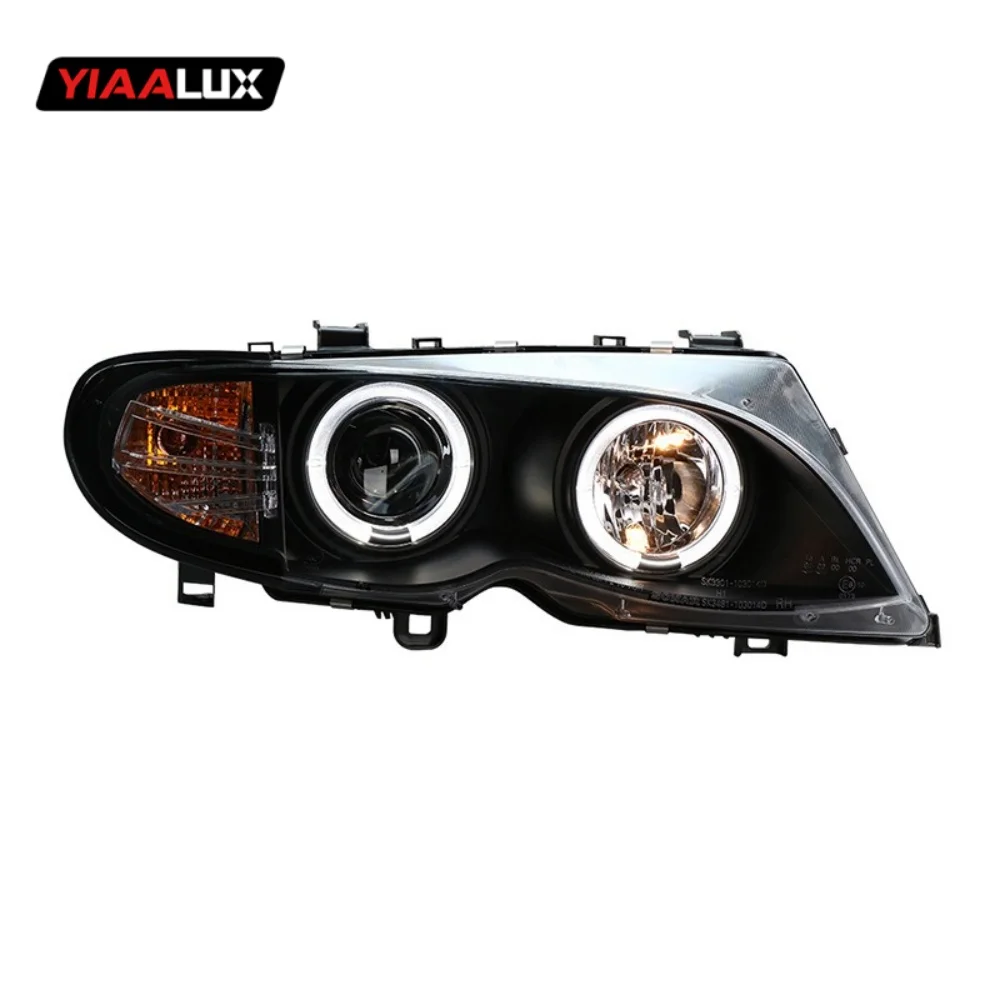
For vehicle-specific upgrades, a complete assembly can be more appropriate than a generic bulb conversion because it can integrate optics, turn signals, and drl lights as one matched system. For example, buyers evaluating a BMW E46 4-door project can review the vehicle-specific BMW E46 LED headlight assembly with DRL and turn-signal functions when the application calls for an assembly rather than a bulb-only replacement. The product title confirms the vehicle application and integrated functions; final fitment should still be verified against the vehicle configuration.
Final recommendation
Use H7, H11, and H13 as fitment decisions, not as interchangeable LED categories. H7 and H11 must match their original base and beam position; H13 requires special attention because it normally carries a dual-beam role. Treat drl lights as a separate function that must be checked in the vehicle’s circuit design. A vehicle-specific fitment review, clearance check, beam test, and compliance review will produce a safer and more dependable LED headlight upgrade than a choice based on brightness claims alone.