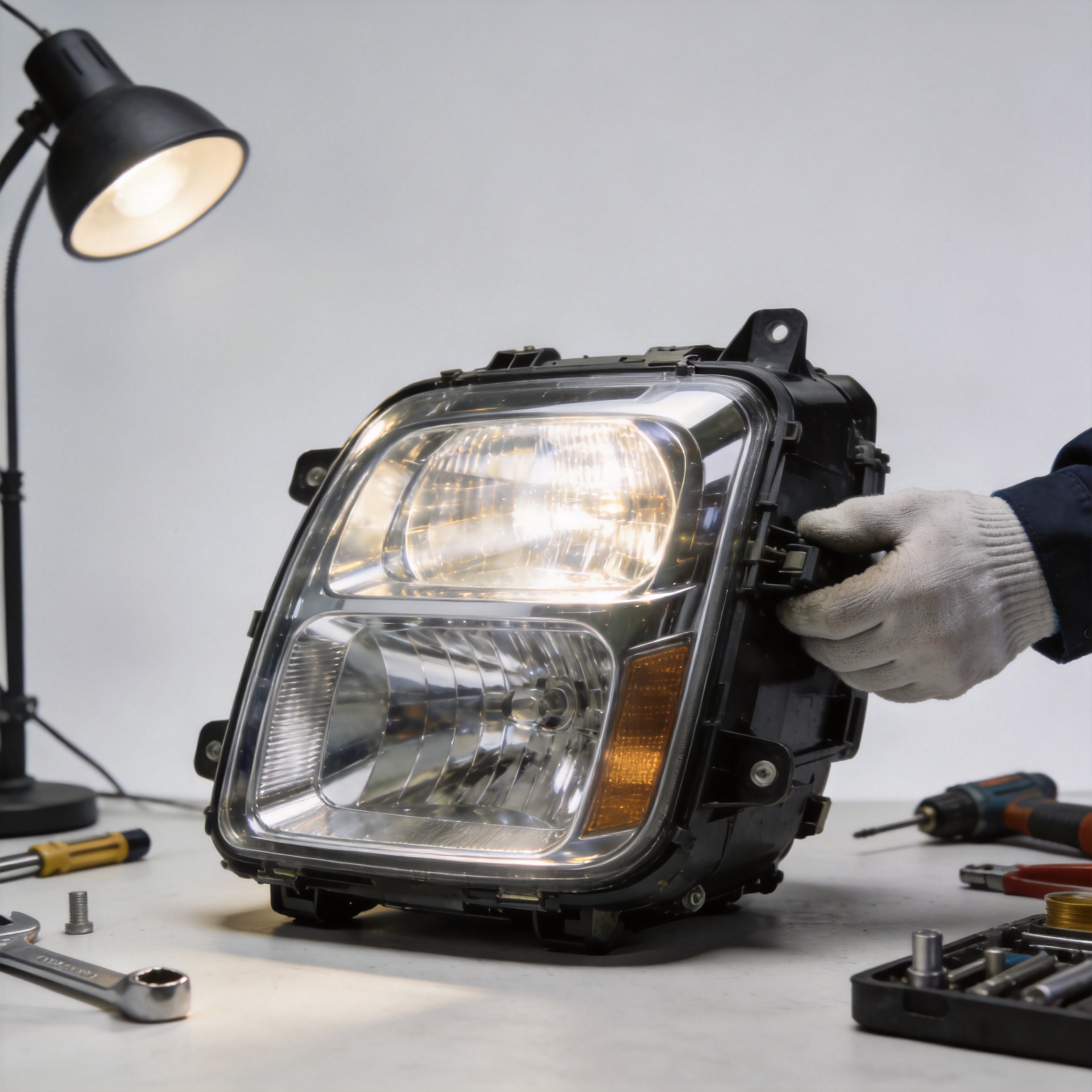
EN

How to Choose Motorcycle Driving Lights for Night Riding
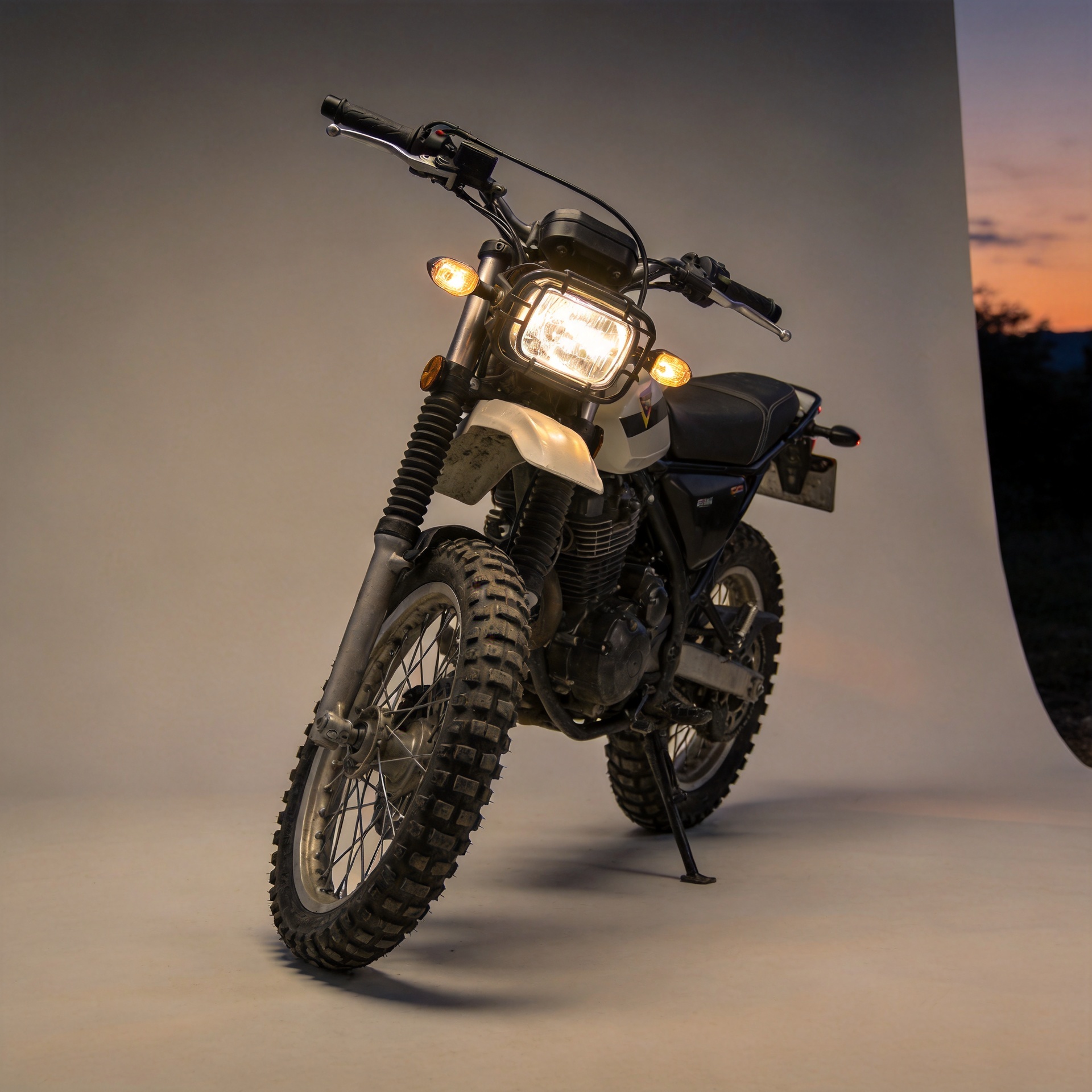
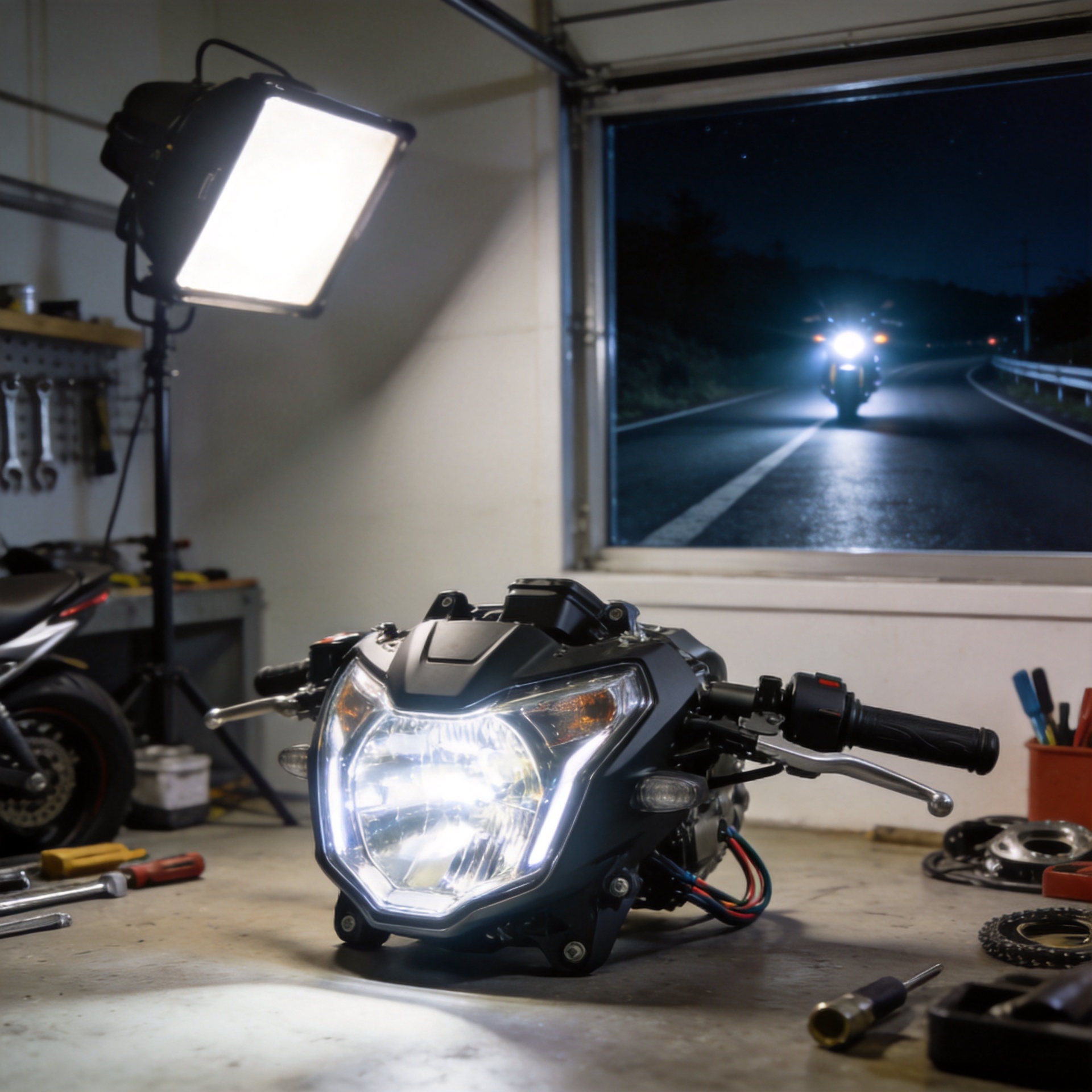
Night riding asks more of a motorcycle lighting system than daytime commuting. A good headlamp remains the starting point, but well-chosen motorcycle driving lights can add useful reach, shoulder definition, or poor-weather contrast when they are matched to the road, the motorcycle, and local rules. The key is matching the system to the use case. The brightest-looking kit is not automatically the safest or most useful choice.
For wholesalers, workshops, and riders comparing options, begin with the riding problem: are you trying to see farther on unlit roads, make road edges easier to read, or improve conspicuity in mist and rain? That answer should guide beam pattern, mounting position, electrical layout, and compatibility checks before purchase.
Start With the Night-Riding Situation, Not the Lumen Claim
Motorcycle driving lights are typically intended to supplement the distance view provided by high beam. Their useful value is a controlled beam pattern that helps a rider identify changes in the road early enough to react. They should not be selected only from a headline lumen number, because output figures alone do not describe where light lands, how evenly it is distributed, or whether it creates glare.
Separate the two common jobs before comparing products:
- Driving or spot-oriented beams help extend forward reach on dark, open roads. They are most relevant for rural routes, touring, and high-beam use where traffic conditions allow.
- Fog or wide-beam lamps place more light low and broad, which can help define the near field and road edge in rain, fog, or tight turns. They are not a replacement for a long-distance beam.
A mixed setup can make sense only when each lamp has a clear task and the controls keep the pattern appropriate for the conditions. If the actual problem is poor low-beam alignment, a worn lens, or an overloaded electrical system, solve that issue first rather than adding more lamps.
Choose the Beam Pattern Before the Housing Style
For night use, examine the beam image or photometric information rather than relying on a product photo. A distance-focused pattern should project usable light down the lane without a distracting hot spot immediately in front of the bike. A wide pattern should improve peripheral awareness without sending excess light into oncoming traffic. On a motorcycle, pitch changes with braking, acceleration, passenger load, suspension setup, and luggage, so beam control matters even more than it does on a fixed vehicle.
Ask a supplier or installer to clarify the intended beam function, the recommended aiming procedure, and the switching arrangement. Light color is also a practical consideration: choose a color that works coherently with the main headlamp and supports contrast in the conditions you actually ride in. Avoid treating any single color temperature, wattage, or lumen figure as a universal answer.
Check Approval Markings and Road-Use Requirements Early
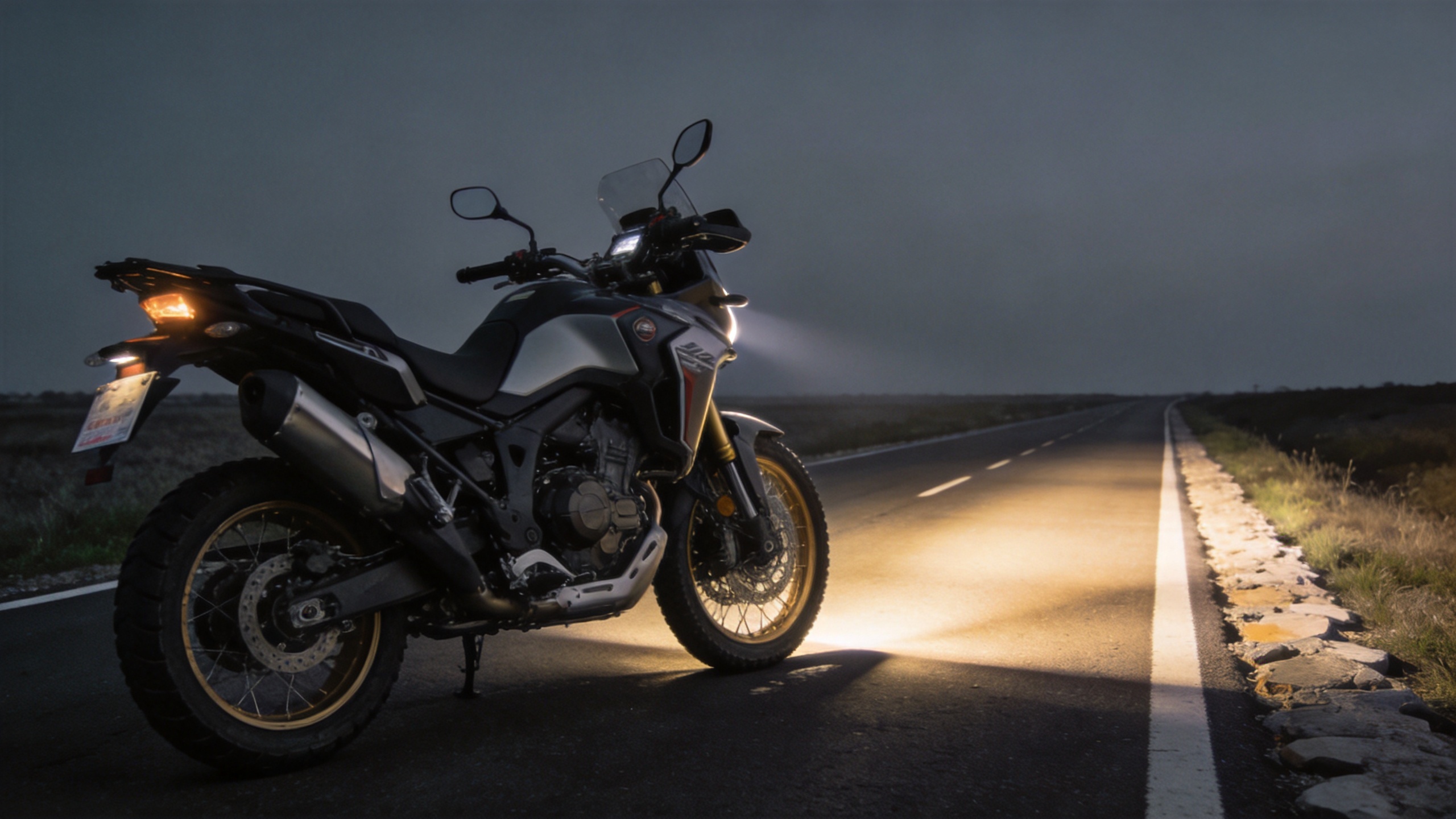
Public-road rules differ by country and region, so compliance needs to be checked for the market where the motorcycle will operate. In many markets, the lamp’s approval marking and the installation both matter. UNECE Regulation No. 149 covers road-illumination devices that include driving-beam headlamps and front fog lamps for relevant vehicle categories; meanwhile, installation requirements can determine how approved lamps may be used on a particular motorcycle.
For buyers serving European markets, inspect the physical E-mark and accompanying documentation rather than assuming that a marketing term such as “road legal” applies everywhere. The installation may also require the additional driving beam to operate with the vehicle’s high beam and to switch off when high beam is off. Local rules can add requirements on quantity, height, placement, aim, and switching. Confirm those details with the applicable authority or a qualified installer before fitting the lights.
Measure Mounting Space and BMW F-Series Compatibility
Before ordering motorcycle driving lights, inspect the motorcycle in the position in which it will actually be used. Turn the handlebars from lock to lock, compress the suspension if practical, and check clearance around the fork, fairing, crash bar, fender, brake hoses, and radiator area. A lamp that fits while parked can interfere after suspension movement or when luggage is loaded.
Adventure-style motorcycles also need vibration-conscious mounting. Use brackets designed for the intended mounting point, check fastener security regularly, and route cables away from steering travel, sharp edges, heat, and moving parts. For BMW F800GS, F700GS, and F650GS fitments, a product listing should be treated as a starting point for verification—not as a substitute for checking the model year, mounting hardware, connector arrangement, and available installation space.
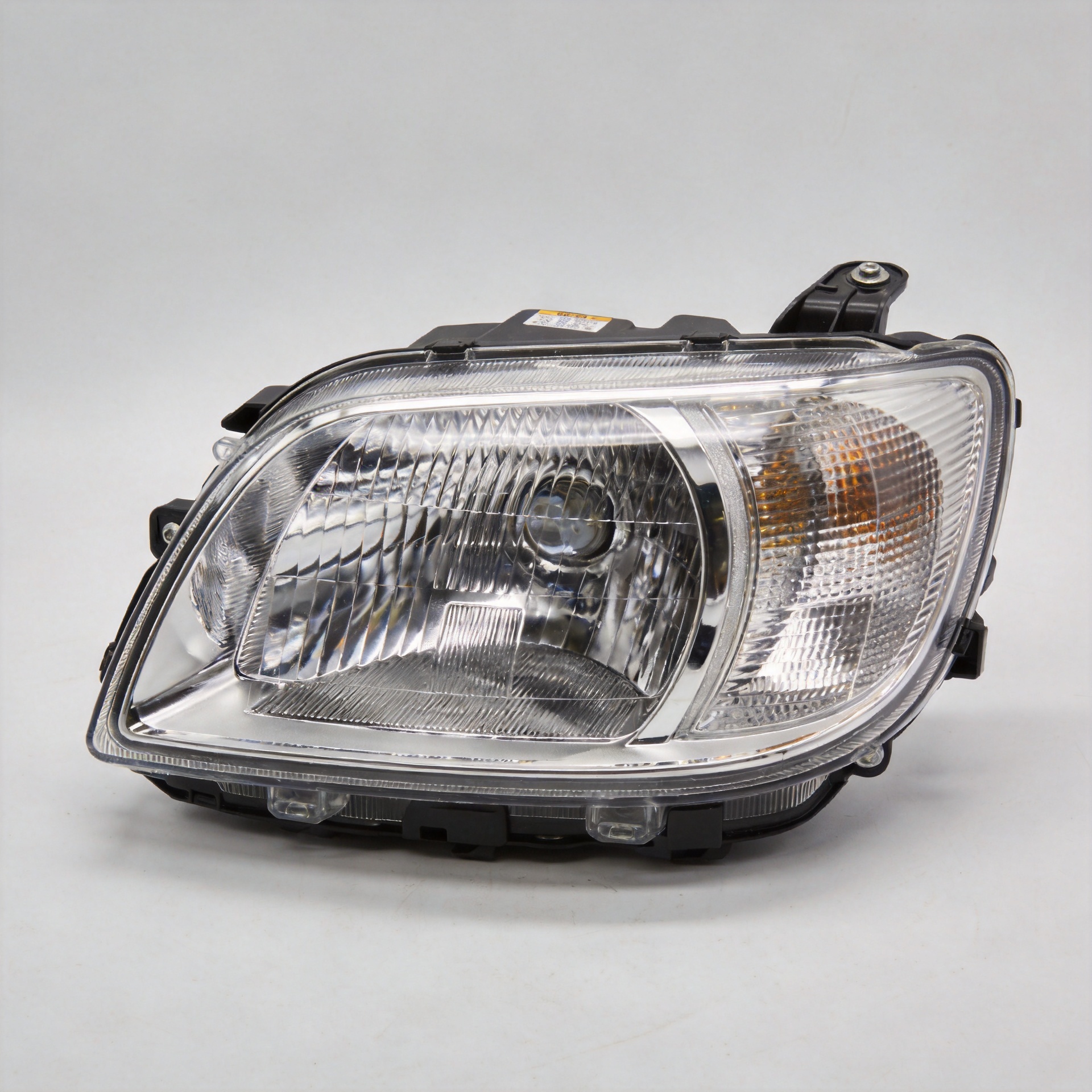
When a compatible option is needed, review the confirmed product details for the E-mark certified LED driving headlight for BMW F800GS, F700GS, and F650GS. Confirm the final fitment and legal suitability with the product documentation and a qualified installer for the destination market.
Plan the Electrical System and Controls as One Package
Reliable motorcycle driving lights depend on more than the lamp body. Verify the motorcycle’s charging capacity, the total current draw of all added equipment, fuse protection, relay or controller requirements, connector sealing, and wire routing. A dedicated harness with appropriate protection is usually easier to diagnose and service than an improvised splice into an unknown circuit.
Controls should be easy to operate with gloves and should support responsible use. For a driving-beam setup, tie operation to the permitted high-beam function where required. For a fog-oriented setup, make sure the switch logic and aim do not produce glare in normal traffic. After installation, test the system at night in a safe area, then recheck fasteners and beam aim after the first rides.
Use This Final Selection Checklist
- Define the job: distance reach, near-field width, poor-weather visibility, or conspicuity.
- Compare beam pattern and aim guidance before comparing headline output.
- Check approval markings and destination-market installation rules.
- Verify the exact motorcycle, model year, mounting clearance, and steering/suspension movement.
- Confirm harness, fuse, relay, switching logic, and charging-system capacity.
- Choose corrosion-resistant mounting hardware and inspect it after use on rough roads.
- Have the lamps aimed carefully, then reassess them with normal rider, passenger, and luggage load.
Motorcycle Driving Lights: A Buyer’s Review Worksheet
Use this worksheet during a product comparison. It keeps motorcycle driving lights tied to a real riding requirement instead of a generic specification list.
| Review point | Question to ask |
|---|---|
| Purpose | Will these motorcycle driving lights support long-range viewing, low wide coverage, or both through separate functions? |
| Beam control | Do the motorcycle driving lights include clear beam-pattern and aiming guidance? |
| Road use | Are the motorcycle driving lights marked and documented for the destination market and intended function? |
| Fitment | Do the motorcycle driving lights clear the fork, fairing, brake lines, and suspension travel on this exact model? |
| Mounting | Can the motorcycle driving lights be secured with brackets suited to vibration and weather exposure? |
| Electrical load | Does the motorcycle driving lights kit have a protected harness, suitable fuse, and compatible switching plan? |
| Switching | Will the motorcycle driving lights turn on and off in a way that matches local use requirements? |
| Aim | Can the motorcycle driving lights be adjusted after installation with normal rider and luggage load? |
| Service | Are replacement parts, connectors, and installation support available for the motorcycle driving lights program? |
For distributors, the same worksheet helps compare motorcycle driving lights across a range without treating every application as identical. For installers, it creates a documented handoff: the selected motorcycle driving lights, mounting point, relay path, fuse, switch behavior, and beam aim can all be checked before the motorcycle leaves the workshop.
Questions to resolve before you buy
- Which motorcycle driving lights function is needed on the rider’s regular night route?
- Which motorcycle driving lights mounting position remains clear at full steering lock?
- Which motorcycle driving lights wiring option protects the circuit and preserves service access?
- Which motorcycle driving lights approval and switching requirements apply in the destination market?
- Which motorcycle driving lights setup can be aimed responsibly after the motorcycle is loaded?
During the final review, examine motorcycle driving lights at the bracket, the connector, the switch, and the aiming point. Verify stable mounting, protected wiring, clearance, and responsible aim after the first night ride.
Make Better Light Part of a Safer Night-Riding System
The right motorcycle driving lights help reveal the useful parts of the road rather than simply producing the largest possible wall of light. Select the beam for the task, verify the motorcycle-specific fit, build the electrical and switching system correctly, and check the legal requirements for the intended market. That method gives distributors and riders a more dependable foundation for a night-riding lighting upgrade.