EN
EN

How to Build a Product Range for LED Tail Light Assemblies
For a wholesaler, building a range of car tail lights is not a matter of collecting attractive designs. It is a fitment, function, inventory, and market-access decision. A useful LED tail light assortment lets buyers find the right assembly for a vehicle platform, gives installers a predictable connection path, and leaves room for upgrade-oriented customers without filling the warehouse with near-duplicate SKUs.
In B2B purchasing, the first mistake is often comparing unit prices before defining the range architecture. A better starting point is to decide which vehicle families, rear-light functions, installation interfaces, and destination-market requirements the range must cover. This approach is especially useful for distributors serving repair shops, body shops, and vehicle owners across several regions.
Start with vehicle platforms, not lamp styles
The core of a range for car tail lights should be vehicle-specific fitment. Group SKUs by make, model generation, body style, production years, and left-hand or right-hand drive where relevant. A tail lamp that looks similar can still differ in mounting points, outer lens profile, wiring connector, bulb or LED configuration, and coding requirements. Treat each confirmed fitment as a separate commercial decision rather than a cosmetic variation.
Build a fitment matrix before finalizing the catalog. The matrix should show the vehicle platform, model years, side position, body style, connector type, required accessories, sales region, and replacement or upgrade role. This makes gaps visible. It also prevents a common aftermarket problem: a buyer orders a lamp based on a photo, then discovers that the harness or mounting geometry does not match the vehicle.
For example, a platform-specific line may include a confirmed product such as the 2014–2018 BMW X5 F15 LED tail lamp assembly. The product page confirms a vehicle application and a plug-and-play positioning; it should not be used to infer unlisted lighting performance, approvals, or broader vehicle compatibility.
Separate replacement, upgrade, and specialty car tail lights
Most profitable ranges of car tail lights use clear tiers instead of mixing every option together. The first tier is replacement-oriented: assemblies intended to restore a damaged or aged original unit with a vehicle-specific appearance and fitment. This is usually the most stable base for repair-led demand.
The second tier is the upgrade line. These products may use LED signatures, revised lens treatments, or a more distinctive rear appearance, but they still need disciplined fitment and installation documentation. The third tier is specialty coverage: trailer, universal, commercial-vehicle, or market-specific options. Keep specialty items separate in the catalog because their selection logic is different from passenger-car assemblies.
This division makes buying easier. A customer looking for an e46 tail lights replacement should see fitment and side-position information before styling options. A customer browsing mini cooper tail lights may be evaluating replacement availability, a visual refresh, or both. The category structure should help each buyer reach the relevant decision path without implying that one SKU suits every version of a vehicle.
Define function bundles before you expand SKU count
An LED tail lamp assembly can combine rear position lighting, stop signaling, turn indication, reverse lighting, rear fog lighting, and reflectors depending on the vehicle design and target market. Before adding a new SKU, identify which functions are included and whether the vehicle requires a matching harness, resistor, adapter, or coding step. A clean function map reduces avoidable support requests after delivery.
Compliance should be reviewed at the planning stage, not after stock has arrived. UNECE Regulation No. 48 addresses installation topics such as the position, number, visibility, and operation of vehicle lamps. That does not mean every assembly is automatically approved for every market. It means a distributor should verify the applicable local requirements, marking expectations, documentation, and installation conditions for each destination before making a market claim.
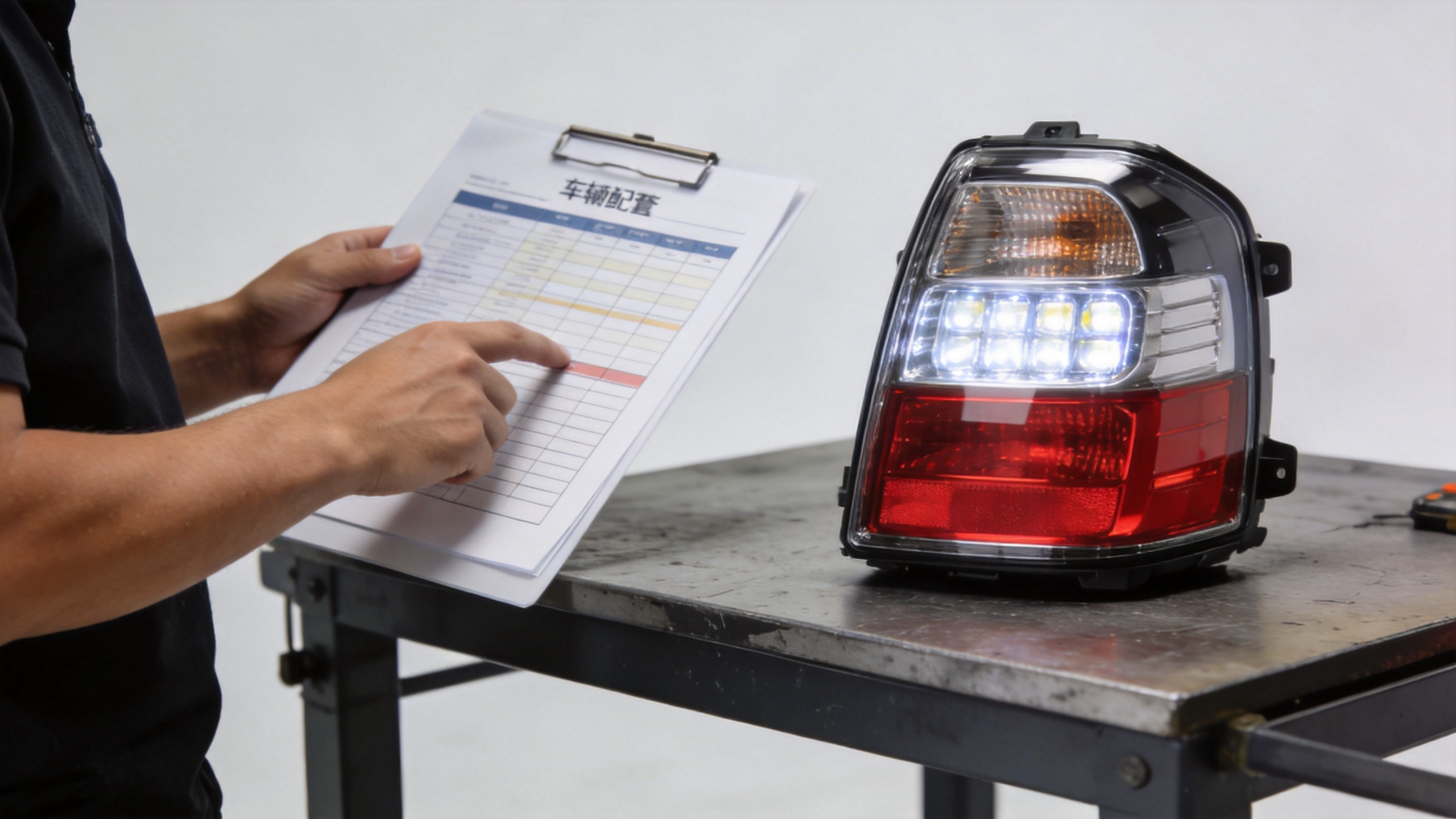
For a practical assortment, assign every SKU a function sheet: light functions, side, vehicle years, connector details, installation notes, market documentation status, and packaging contents. If any field is unknown, label it for verification rather than filling the catalog with assumptions.
Choose installation paths that protect the customer experience
Installation is where a visually appealing range of car tail lights can either gain repeat orders or generate returns. Sort products into three paths: direct replacement with confirmed connectors; replacement with supplied adapters or clear minor modifications; and professional-installation items that may need coding, wiring work, or additional components. Do not let “plug and play” become a blanket label for the full range.
Think of the harness and mounting system as part of the SKU, not an afterthought. A complete listing should identify the lamp side, pack quantity, connector information, mounting hardware, and any required companion parts. Where a left/right pair is sold separately, show that plainly. This detail is more useful to wholesale buyers than generic claims about brightness or style.
Use regional demand to decide breadth and depth
Range planning for car tail lights should balance local demand with operational complexity. European, North American, South American, and Asian buyers may prioritize different vehicle populations, signaling conventions, documentation expectations, and repair habits. Start with the vehicle platforms that generate recurring inquiries in your target channel, then add adjacent SKUs only when they share practical purchasing logic, components, or packaging processes.
Depth matters when a platform has enough demand to justify left/right coverage, replacement and upgrade alternatives, and clear year splits. Breadth matters when distributors need a credible cross-platform entry assortment. A sensible first catalog is often narrower than expected: a small number of high-confidence fitments with complete data can outperform a large list of poorly documented variants.
Create a supplier review checklist before launch
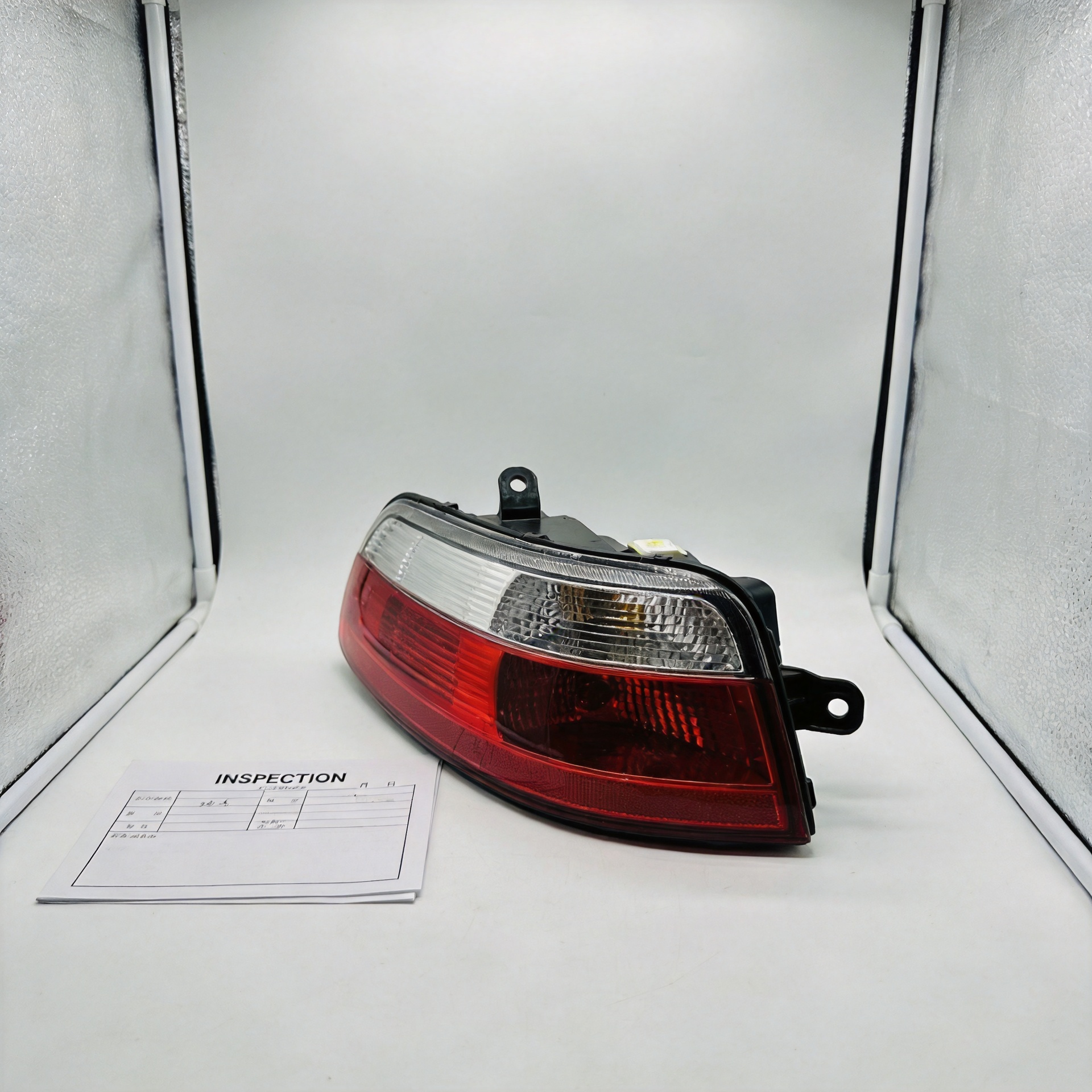
Before a new line goes live, use a review checklist covering fitment confirmation, sample inspection, lens and housing consistency, connector verification, function testing, packaging protection, labeling, and market documentation. Review the same points again when later production batches arrive. Sample appearance alone cannot prove batch consistency, which is why the range plan needs acceptance criteria and revision control.
For private-label or OEM discussions, define which elements may change—branding, lens treatment, packaging, or tooling—and which fitment and functional requirements must remain fixed. YIAALUX serves automotive and motorcycle lighting buyers and can be considered in conversations around automotive-lighting assortment development; the final specification should be confirmed against the individual product and destination-market requirements.
Turn the plan into an easy-to-buy catalog
The final catalog for car tail lights should lead with fitment, then show function bundle, installation path, market notes, and available variants. A buyer should not have to decode the product from photographs alone. Use filters for vehicle platform, production years, side, replacement versus upgrade, connector type, and region where your data supports them.
In short, plan LED tail light assemblies as a controlled product system. Start with high-confidence vehicle fitments, segment replacement and upgrade demand, document functions and installation conditions, and expand only where the data supports repeatable sales. That gives wholesalers a range that is easier to stock, easier to explain, and more dependable for customers looking for car tail lights.