EN

How Motorcycle Daytime Running Lights Improve Rider Visibility
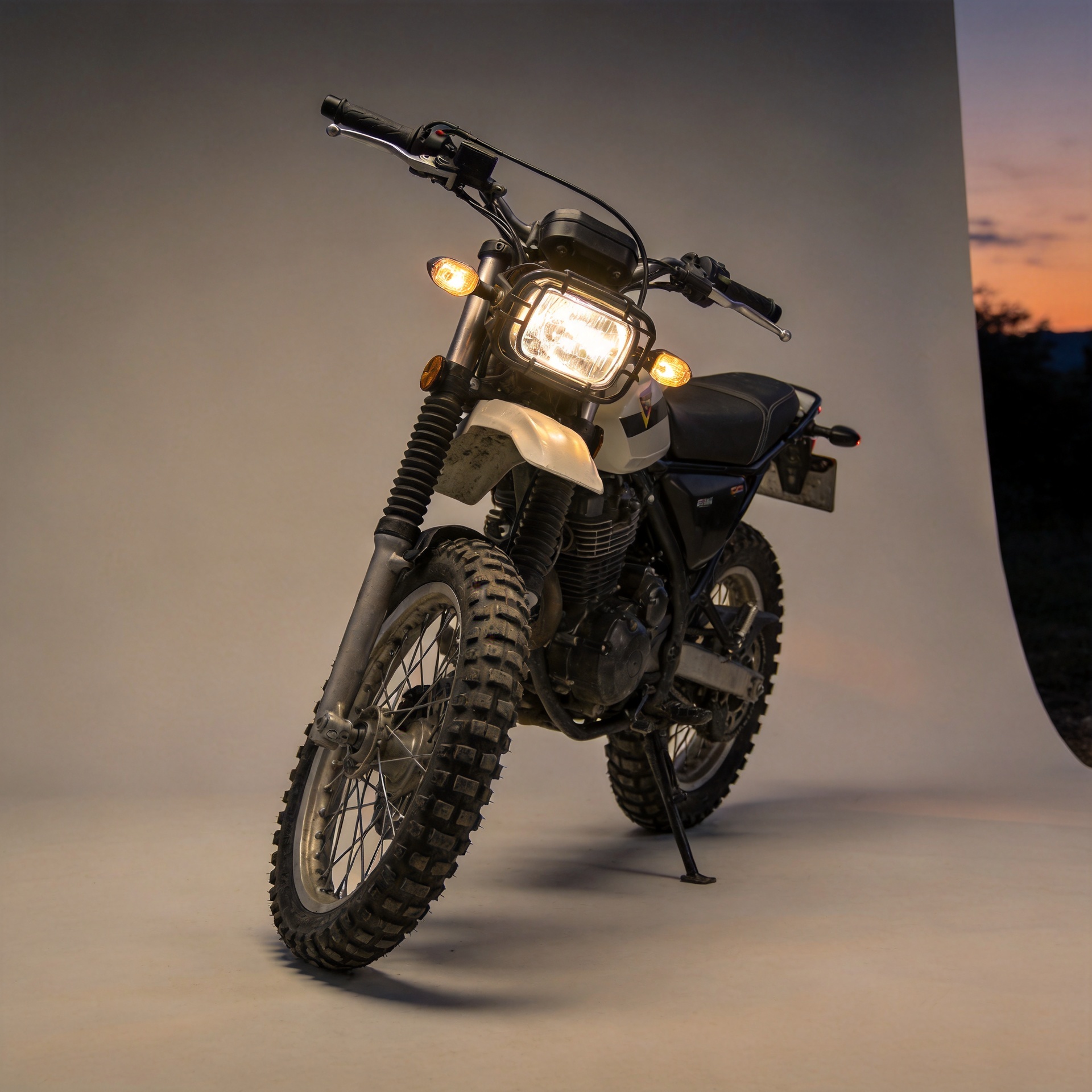
Motorcycle daytime running lights are designed to make a motorcycle easier for other road users to notice during daylight. That goal sounds simple, but it matters because a motorcycle presents a smaller visual target than most cars, vans, and trucks. In bright sun, mottled shade, city traffic, or a busy junction, a clear front-light signature can help a rider stand out before another driver needs to judge speed or distance.
For riders, fleet managers, and motorcycle-parts buyers, the useful distinction is simple: daytime running lights are visibility lighting. They are not a replacement for the headlamp or a high-output lamp intended to light the road. A sound setup is one that creates a recognizable daytime presence, fits the motorcycle correctly, and respects the rules in the intended market.
What daytime running lights do—and do not do
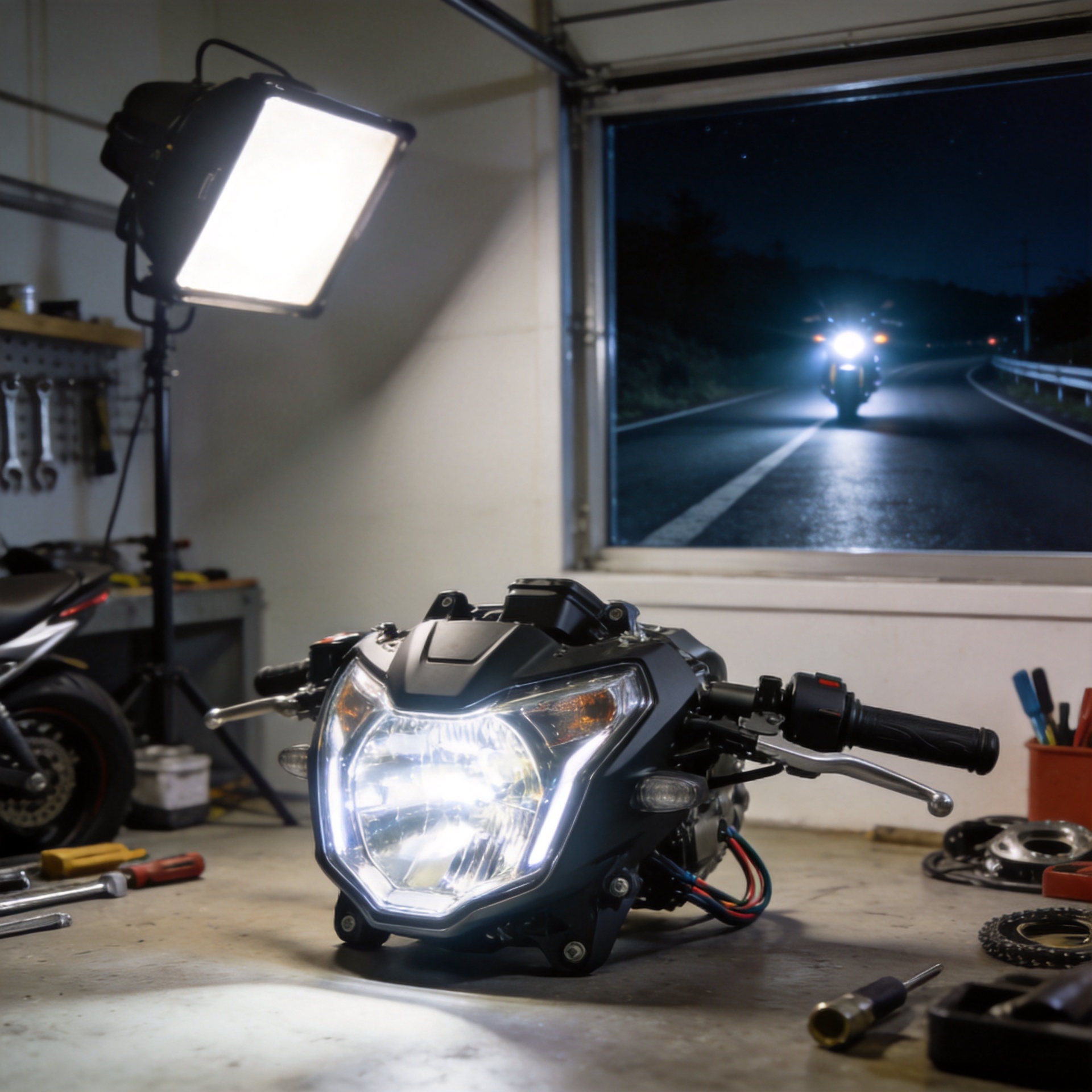
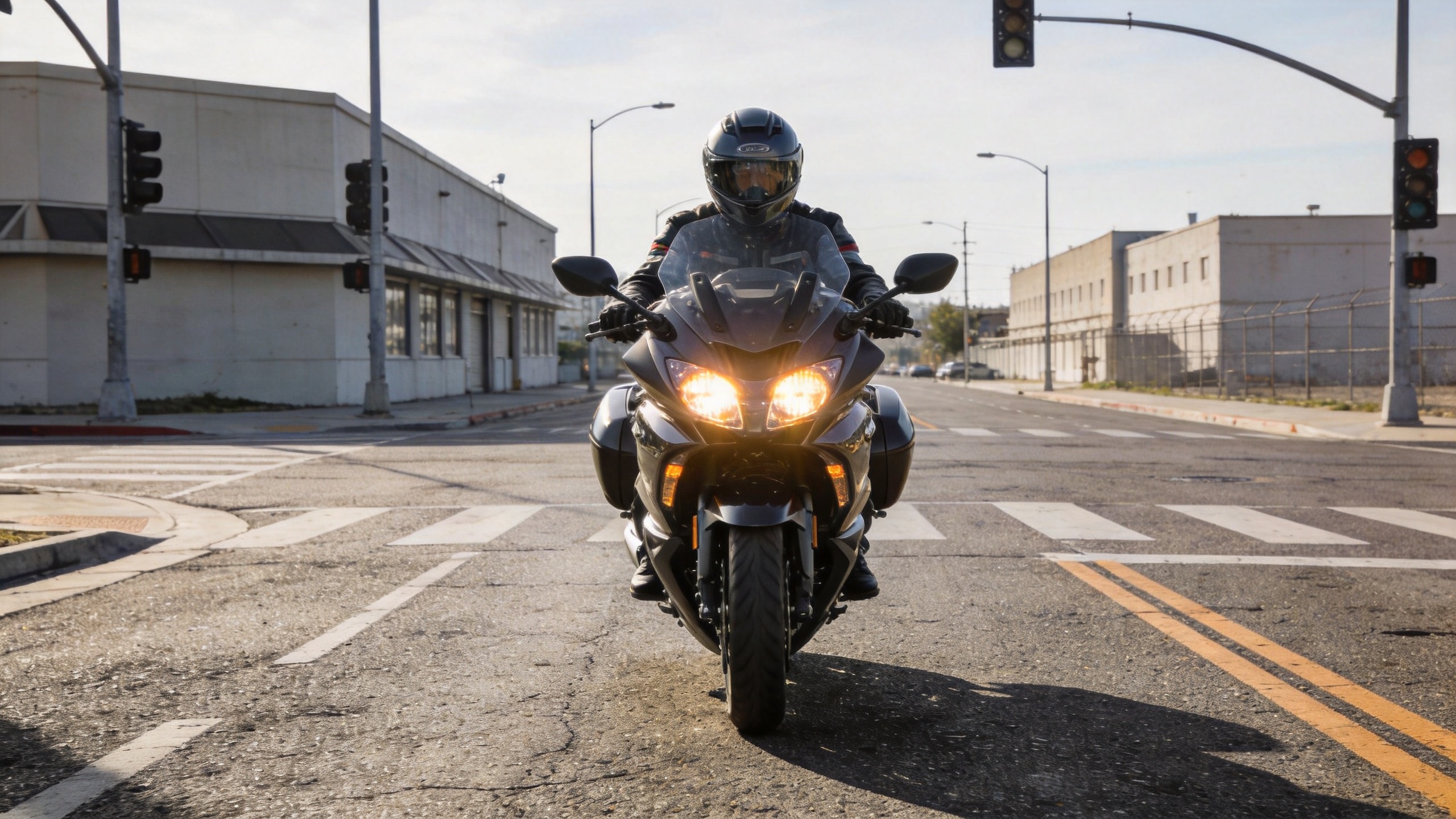
Motorcycle daytime running lights, often called DRLs, face forward and are intended to improve conspicuity: the chance that another road user notices the bike in the first place. A DRL can create a distinctive outline around the front of the motorcycle, helping the bike remain visually separate from the background.
That is different from a low-beam headlamp, which is primarily used to illuminate the road ahead, and from a fog or driving lamp, which may be selected for specific low-visibility or distance-lighting tasks. Motorcycle daytime running lights should not be treated as permission to reduce the use of required lighting in rain, dusk, tunnels, or any condition where road illumination is necessary.
In short: use DRLs to be seen in daytime traffic; use the motorcycle’s required headlamp and other lighting to see and to meet local operating requirements.
Why a clearer light signature helps in daytime traffic
A rider’s visibility is influenced by contrast, angle, background clutter, weather, and the way other drivers scan for traffic. A single small headlamp can blend into reflections, parked vehicles, roadside signs, or the many light sources in an urban scene. Motorcycle daytime running lights can add a more recognizable front pattern and can be useful when traffic approaches from an offset angle rather than directly ahead.
Research summarized in a review of motorcycle running lights associated their use with an estimated 4% to 20% reduction in motorcycle crash risk. That range does not guarantee an outcome for an individual ride, and it does not replace speed control, lane position, protective equipment, or rider awareness. It does support the practical idea that making a motorcycle more noticeable can be one part of a broader safety routine.
Visibility is especially valuable at intersections and when vehicles may turn across a rider’s path. It also matters on tree-lined roads where sun and shadow alternate, on overcast days that look bright but flatten contrast, and in heavy traffic where a motorcycle is surrounded by larger vehicles.
Where motorcycle daytime running lights can make the biggest difference
Urban commuting and intersections
In stop-and-go traffic, drivers are processing pedestrians, signals, lane changes, delivery vehicles, and multiple light reflections. A stable, properly positioned DRL signature may make a motorcycle easier to pick out during that quick visual scan.
Changing daylight and mixed weather
Cloud cover, light rain, road spray, and shade can reduce contrast long before it feels “dark.” DRLs can help maintain a visible front presence, but riders should switch to the appropriate required lighting whenever visibility drops or local rules call for it.
Touring routes and rural roads
On roads with bends, crests, roadside vegetation, and changing backgrounds, being noticed early can be as important as outright light output. A DRL is not a substitute for a correctly aimed headlamp, but it can help define the motorcycle as an approaching vehicle.
Choose a DRL setup for fitment, not just brightness
When comparing motorcycle daytime running lights, brightness alone is not a complete buying criterion. Excessive glare can distract other road users, while poor placement can make a bright lamp ineffective from useful angles. A practical review should include the following points:
- Motorcycle compatibility: Check the mounting location, available space, electrical system, and wiring route for the specific motorcycle.
- Optical purpose: Confirm that the lamp is intended for daytime visibility rather than being marketed only as a fog, spot, or decorative light.
- Beam direction and aim: The lamp should support a controlled, visible signature without creating unnecessary glare.
- Weather protection: Review the stated protection and installation guidance for the motorcycle’s actual riding conditions.
- Market compliance: Lighting rules, approvals, switching behavior, and permitted installation positions differ by region. Verify the current requirements before purchase or installation.
For example, UNECE materials include installation conditions for motorcycle DRLs, including limits on the separation of two lamps. Those details are a reminder that compliance is about the complete installation—not simply buying a lamp that looks suitable online.
DRLs, auxiliary lights, and headlights: make each lamp do one job
| Lighting type | Primary purpose | Typical rider question |
|---|---|---|
| Daytime running light | Improve daytime conspicuity | Will other road users notice my motorcycle sooner? |
| Low-beam headlamp | Provide controlled road illumination and visibility | Can I see the road without dazzling others? |
| Fog or auxiliary driving lamp | Support specific weather or distance-lighting needs | Does this lamp suit the conditions and local rules? |
Separating these functions prevents a common mistake: using an auxiliary lamp as a DRL without considering its optical pattern, switching logic, or installation rules. It also makes troubleshooting easier for installers and buyers who manage parts across several motorcycle models.
A compatibility-first check before installation
Before specifying motorcycle daytime running lights, confirm the motorcycle model, year, mounting area, voltage, connector approach, and any CAN-bus or switching considerations. Then check the target market’s rules and the product documentation. If a model-specific lighting option is being considered, start with the verified application information rather than assuming that an accessory fits every motorcycle in the same family.
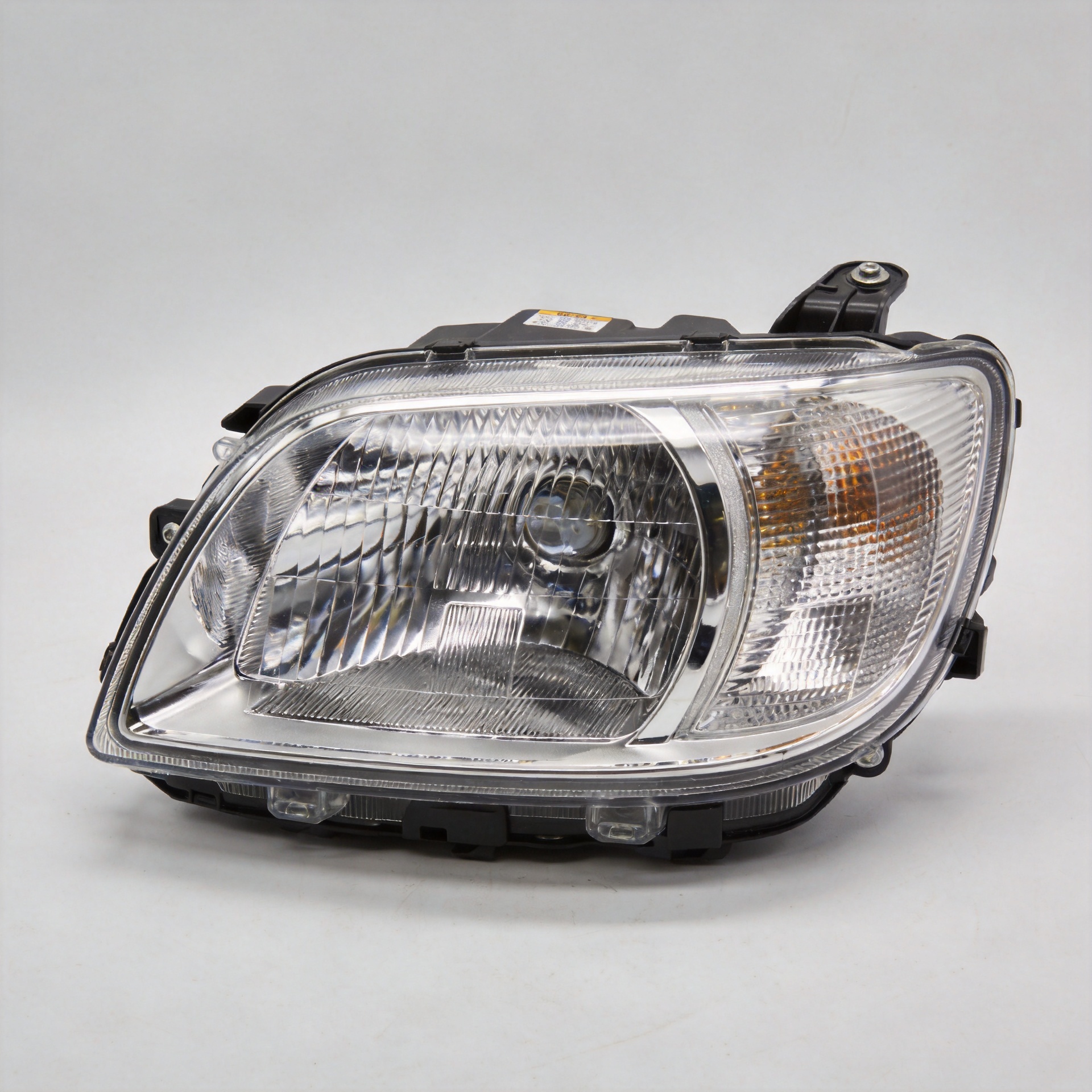
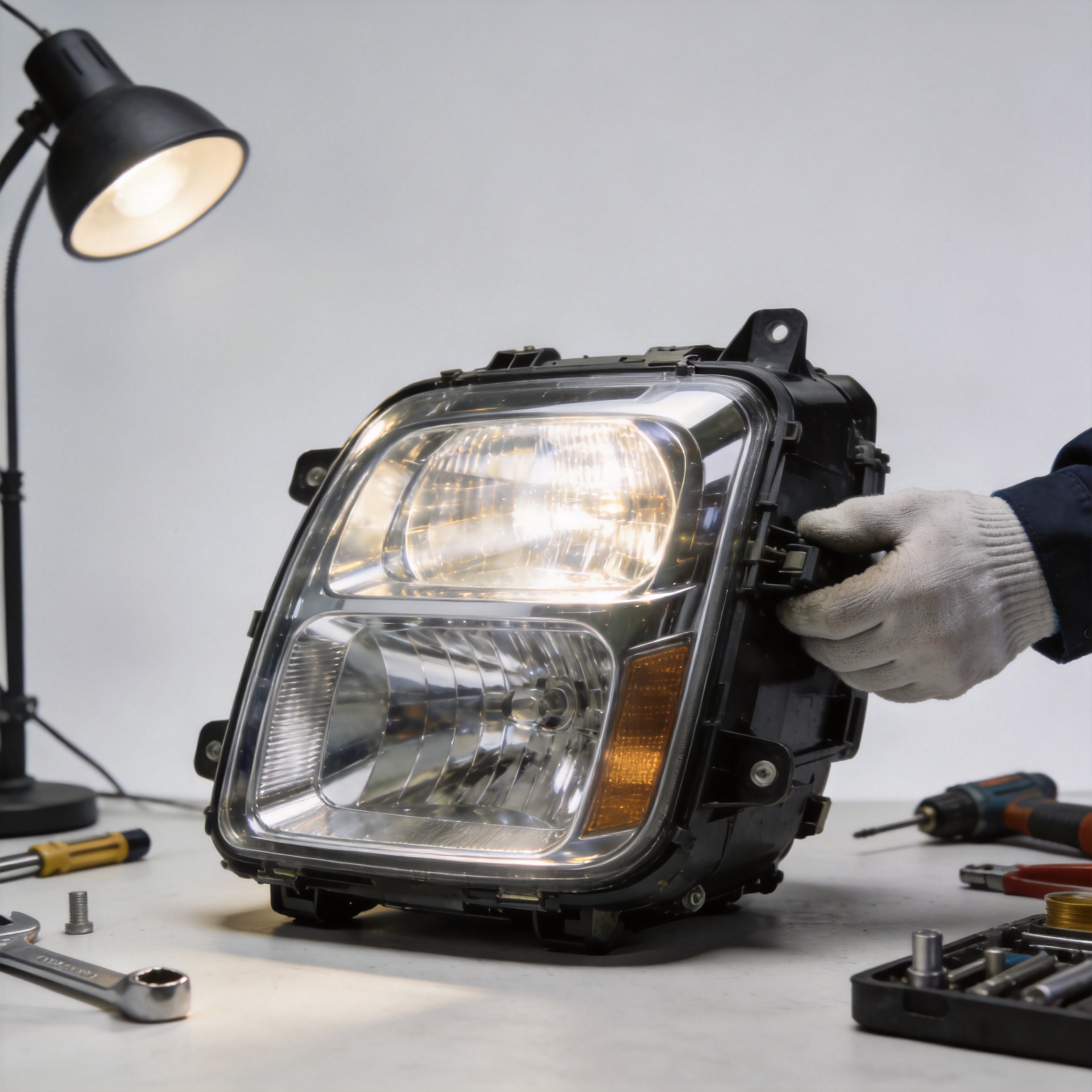
For BMW F800GS, F700GS, and F650GS applications, review the product page for the Emark Certified LED Driving Headlight for BMW motorcycle parts accessories and verify fitment, required hardware, and local approval requirements before ordering. The product title identifies the intended models; final suitability should be confirmed against the motorcycle and the installation plan.
Make visibility part of a complete riding routine
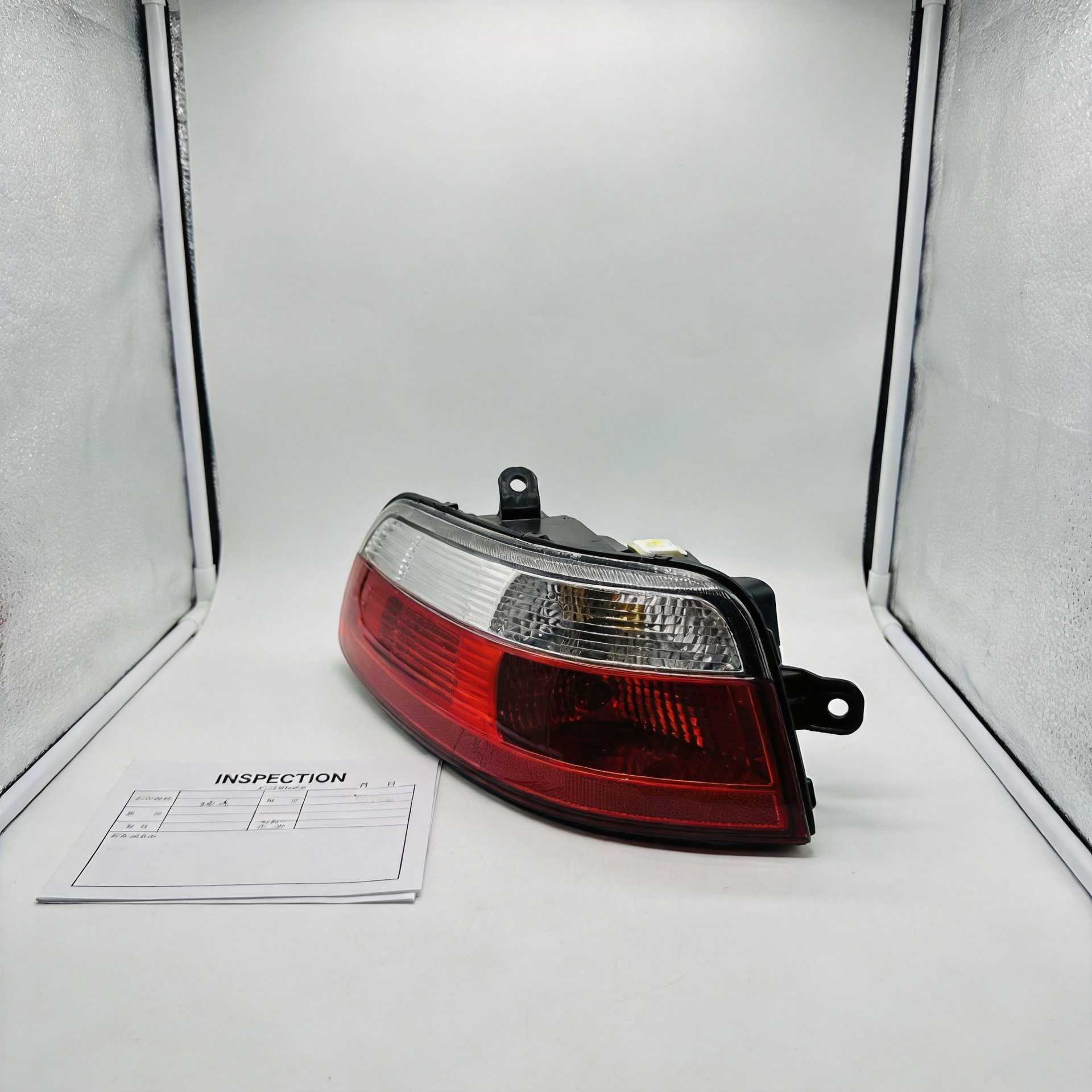
Motorcycle daytime running lights are most effective when they complement good riding practice. Keep lenses clean, inspect mounts and wiring, aim lamps correctly, and make sure all required front and rear lighting is operating. Pair the lighting setup with defensive lane positioning, a realistic following distance, and an expectation that other road users may still fail to notice a motorcycle.
A well-chosen DRL system does not remove every risk. Its contribution is more modest and practical: it gives a motorcycle a clearer daytime visual signature when another road user is deciding what is approaching. By selecting compatible equipment and treating compliance as part of the specification, riders and buyers can make a more informed visibility upgrade.