EN
EN
Headlight Lens Replacement vs. Full Assembly: How to Choose for Your Inventory
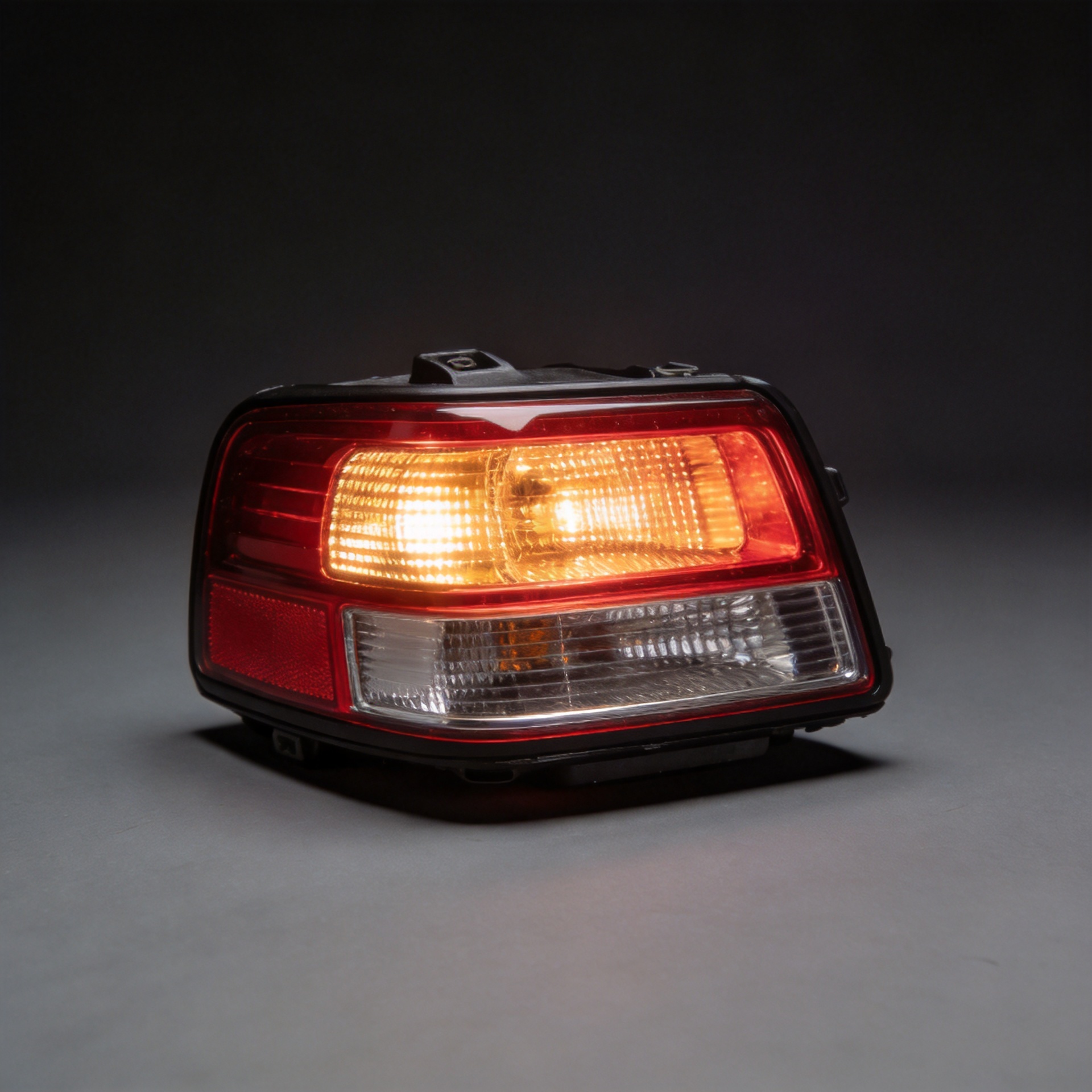
For an automotive-parts wholesaler, headlight lenses replacement is not a simple low-price versus high-price choice. It is a stocking decision that affects fitment accuracy, returns, packaging loss, installation support, and the speed at which a customer can get a vehicle back on the road. A replacement headlight assembly solves more damage scenarios in one carton, while a lens-only SKU can protect margin and offer a practical repair path for the right vehicle.
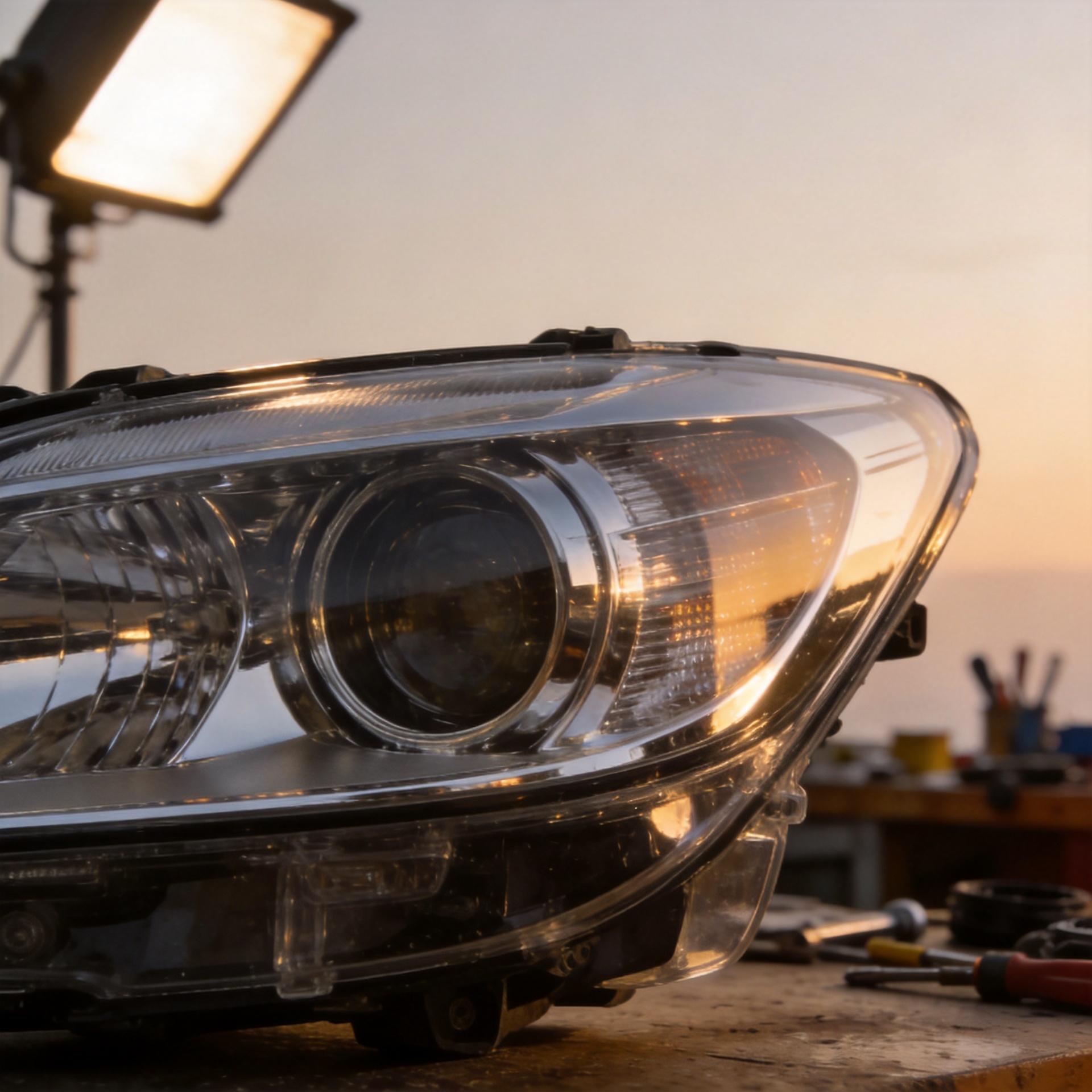
Start by separating the visible lens problem from the condition of the optical system behind it. A cloudy, cracked, or UV-damaged outer cover may be a strong candidate for headlight lenses replacement. A housing with moisture intrusion, broken mounts, reflector deterioration, damaged adjusters, or uncertain beam performance is a different purchasing case. Stocking both paths intelligently is more valuable than treating one as a universal substitute for the other.
Start with the Failure Mode, Not the Part Price
When customers ask about headlight lenses replacement, their first description is often “the lamp looks old” or “the cover is cracked.” That is not enough information for inventory planning. Build a return-resistant decision tree around three questions: is the lens the only failed component, is the housing still sealed and structurally sound, and can the shop reseal the lamp reliably after opening it?
- Lens-only fit: yellowing, surface damage, stone impact cracking, or cosmetic deterioration where mounting tabs, vents, rear housing, reflector, and adjusters remain usable.
- Full-assembly fit: water marks inside the lamp, damaged reflector coating, broken tabs, warped housing, failed LED electronics, damaged aiming hardware, or a prior repair of unknown quality.
- Hold-and-check fit: a lens appears damaged but the buyer cannot verify left/right side, lamp technology, model year, or exact trim. Do not let a low unit cost turn into an avoidable fitment return.
This distinction changes your assortment. Headlight lenses replacement is well suited to a focused catalog of high-volume, serviceable applications. A replacement headlight assembly is the safer coverage option for applications where the housing and optical components are frequently damaged together.
Compare the Two Options as Inventory Systems
| Decision factor | Lens-only stock | Full assembly stock |
|---|---|---|
| Damage coverage | Appropriate when the outer lens is the confirmed problem | Covers lens, housing, mounts, and internal-component issues together |
| SKU investment | Usually lower landed cost per unit, but application coverage can fragment quickly | Higher landed cost, with broader repair value per SKU |
| Installation dependence | Requires opening and resealing capability | Usually reduces refurbishment steps, but aiming and connector checks remain necessary |
| Return risk | Higher if lens shape, seal channel, or vehicle variant is unclear | Higher if bulb type, connector, trim, or side-specific fitment is not controlled |
| Best channel | Repair shops, refurbishers, and buyers with proven resealing processes | Collision repair, quick-turn workshops, and buyers seeking a complete repair path |
The table also explains why a replacement headlight assembly should not automatically displace lenses. If a buyer has trained technicians and recurring demand for a specific platform, headlight lenses replacement can serve a valuable repair niche. If the buyer needs predictable labor time and fewer condition-based decisions, a full assembly may be the better inventory answer.
Fitment Data Is the Core Control for Headlight Lenses Replacement
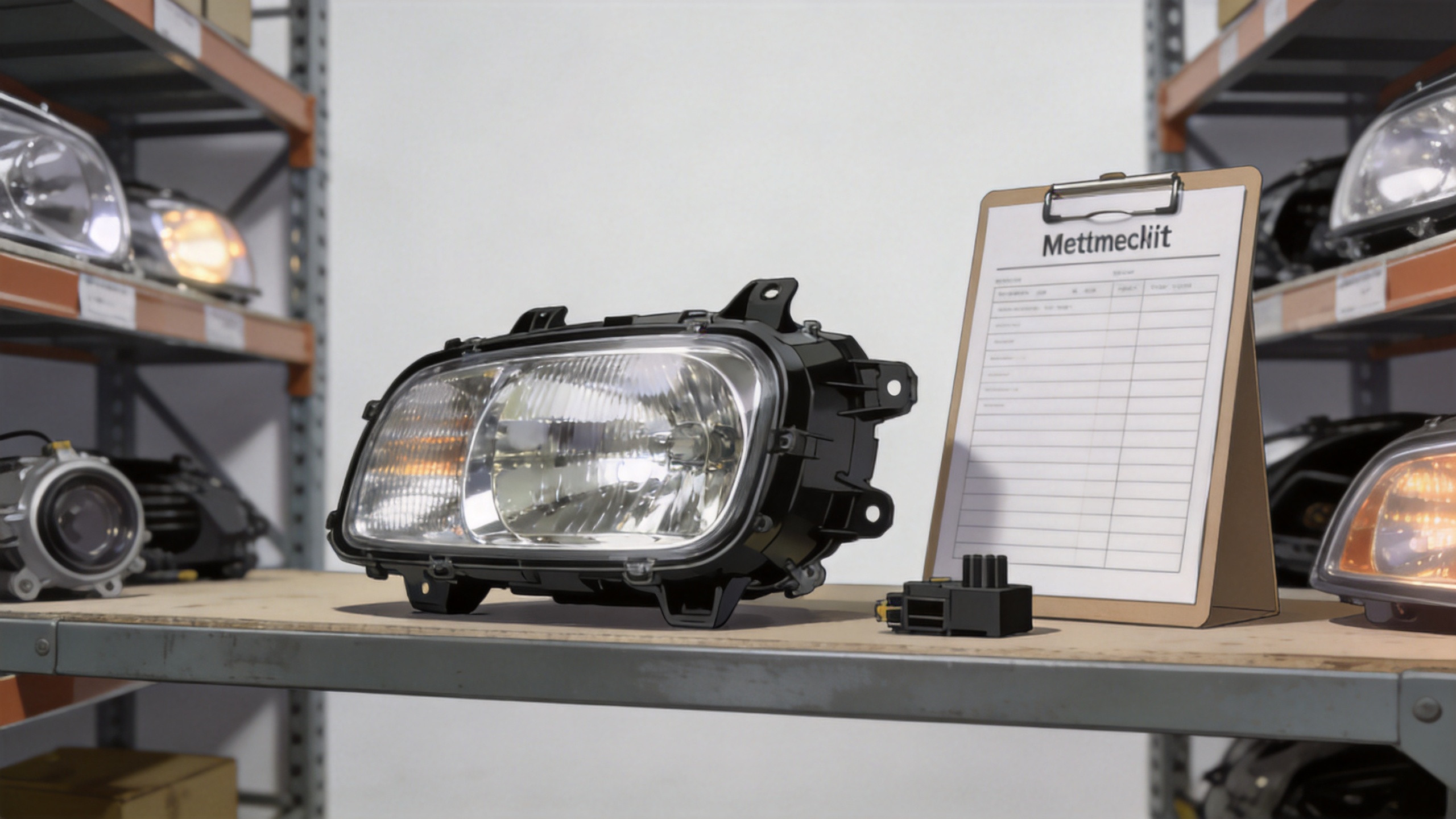
Most costly mistakes in headlight lenses replacement happen before the carton is opened. Treat fitment as a structured data field, not a title keyword. At minimum, your purchasing file should distinguish make, model, production year range, left or right side, steering position where relevant, lamp technology, body style, trim-level variations, and original lamp part references when available.
For the U.S. market, 49 CFR 571.108 includes marking requirements for applicable replacement headlamp lenses and headlamps. That does not make every destination identical, but it is a useful signal: compliance, markings, and traceability deserve review before a distributor expands a headlight lenses replacement program. Confirm destination-market requirements with the appropriate compliance resource rather than assuming that one market’s marking rule applies everywhere.
Keep product photos and carton labels aligned with the fitment table. A close-looking lens may still differ at the seal perimeter, mounting geometry, or optical pattern. This is where a small investment in application verification protects the margin of a lens-only line.
Plan Stock by Repair Capability and Demand Pattern
For replenishment planning, create two stocking tiers. Tier one holds lens-only SKUs for vehicle families with repeat demand, stable fitment, and customers able to reseal lamps. Tier two carries a replacement headlight assembly for faster-turn applications, damage-prone housings, or customers that prefer an all-in-one repair. Review the mix using return reasons, not sales volume alone.
Ask your sales team to tag returns as wrong side, wrong model year, seal failure, hidden internal damage, shipping damage, or customer preference for a complete unit. That information will tell you whether more headlight lenses replacement coverage is justified or whether assembly inventory is preventing downstream claims. Before a bulk order, it is easy to compare only unit price; after adding repacking, return freight, workshop labor, and repeat service, the total-cost result can look very different.
Use Packaging and Quality Checks to Protect the Lens-Only Line
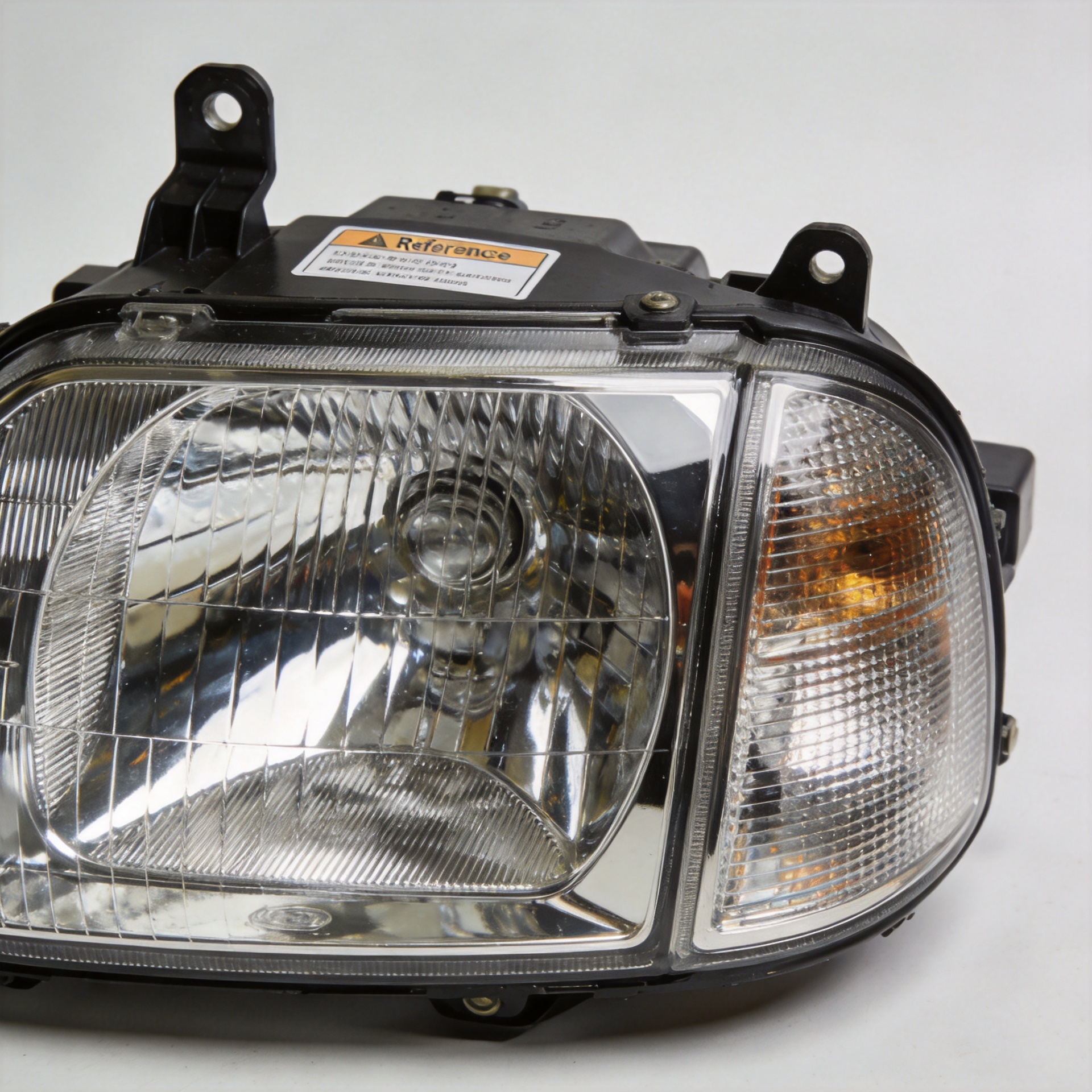
Because a lens is highly visible and relatively vulnerable, packaging is part of the product decision. Check surface protection, edge support, anti-scratch film, carton compression resistance, left/right identification, and a clear inspection process. For a replacement headlight assembly, add checks for mounting tabs, connector protection, vent condition, and any loose internal parts. Neither option should be presented as a universal cure for every lighting issue without confirming the vehicle condition.
For Toyota-oriented aftermarket coverage, buyers can review this car headlight cover lens glass cover lens for Toyota vehicle applications as a fitment-led lens category example. Verify the exact application and side before ordering or installation.
A Buyer’s Final Decision Checklist
- Confirm that the damage is limited to the outer lens before choosing headlight lenses replacement.
- Verify exact vehicle application, side, lamp type, and market-specific requirements.
- Match lens-only stock to customers with reliable opening and resealing capability.
- Use a replacement headlight assembly where hidden damage, mounting damage, or speed of repair raises the risk of a lens-only fix.
- Track return reasons and packaging damage to refine the next replenishment order.
A resilient inventory program is rarely all lenses or all assemblies. It is a controlled mix: focused headlight lenses replacement for confirmed, serviceable demand and complete assemblies for broader damage coverage and simpler repair decisions. With disciplined fitment data and return feedback, wholesalers can protect both availability and margin.