EN

Headlight Assembly Replacement Guide for Auto Parts Wholesalers
For a wholesaler, a replacement headlight assembly is not simply a lamp to put on a shelf. It is a vehicle-specific safety component, an electrical interface, and a stock-keeping decision that can create costly returns when one detail is wrong. The practical buying question is not “Which headlamp appears suitable?” but “Which exact assembly can be identified, approved, packed, and replenished with confidence?”
This guide turns auto headlight replacement sourcing into a repeatable procurement process. It is written for distributors, private-label buyers, and vehicle-parts teams that need to manage fitment, left/right pairing, lighting configuration, documentation, and batch consistency before a purchase order is released.
Start With a Fitment Record, Not a Photo
Many replacement-headlamp errors begin with an incomplete vehicle description. A shared body shape or similar-looking lens does not prove interchangeability. Build a fitment record that identifies the vehicle make, model, generation, body style, production-year range, front-end revision, and market destination. Include the original equipment part number whenever it is available.
Then treat the following fields as mandatory order controls:
- Side: left, right, or a matched pair. Do not assume a photograph establishes side correctly.
- Drive orientation: LHD or RHD. Low-beam beam distribution must suit the destination market and vehicle orientation.
- Lighting architecture: halogen, HID, LED, projector, reflector, or a mixed configuration.
- Functions: low/high beam, DRL, turn signal, position lamp, leveling motor, adaptive function, or other applicable features.
- Interface: connector count, pin layout, ballast or driver arrangement, mounting points, and rear-cover clearance.
A replacement headlight assembly may fit the outer body opening while still failing at the connector, beam pattern, mounting tab, or integrated function. Ask the supplier to confirm each field against a drawing, OE sample, part-number cross-reference, or approved sample—not against a vehicle name alone.
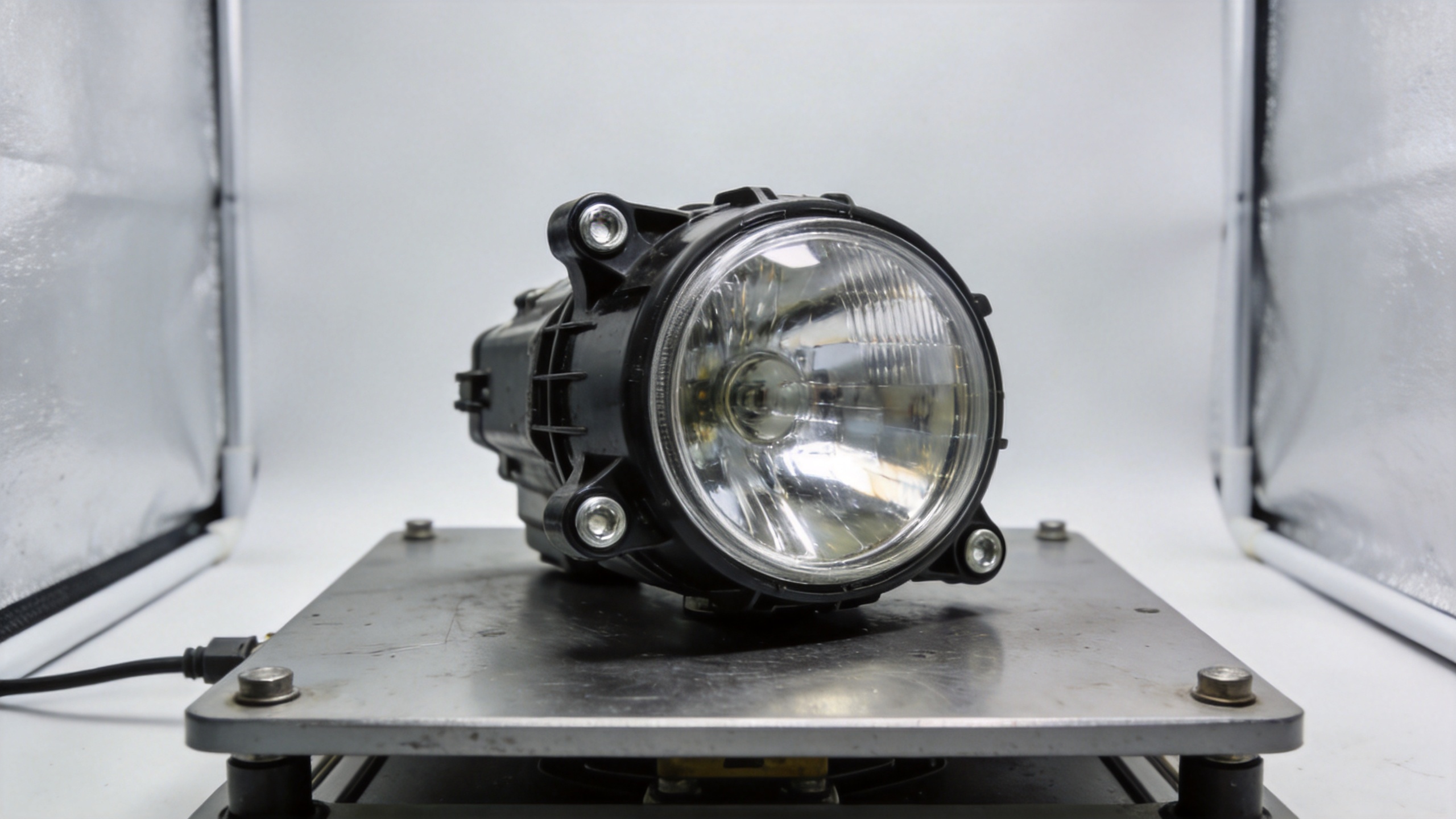
Specify the Lamp Type Before Comparing Quotations
Search results for a replacement headlight assembly commonly mix OE-style units, LED upgrades, and projector options. For wholesale purchasing, these categories should not be quoted as if they were interchangeable. Define the target configuration first, then compare suppliers on the same basis.
| Procurement question | Why it matters | Evidence to request |
|---|---|---|
| OE-style or upgraded configuration? | Changes the expected appearance, electrical design, and market position. | Function list, images, and approved sample. |
| Projector or reflector layout? | Shapes beam performance and may affect installation compatibility. | Lens/housing images and beam-pattern evidence where applicable. |
| Is the unit sold individually or as a pair? | Prevents mismatched left/right stock and incorrect carton planning. | SKU list, side marking, and packing specification. |
| What is included? | Bulbs, modules, drivers, leveling motors, and harnesses can change the usable delivered content. | Bill of materials and carton contents. |
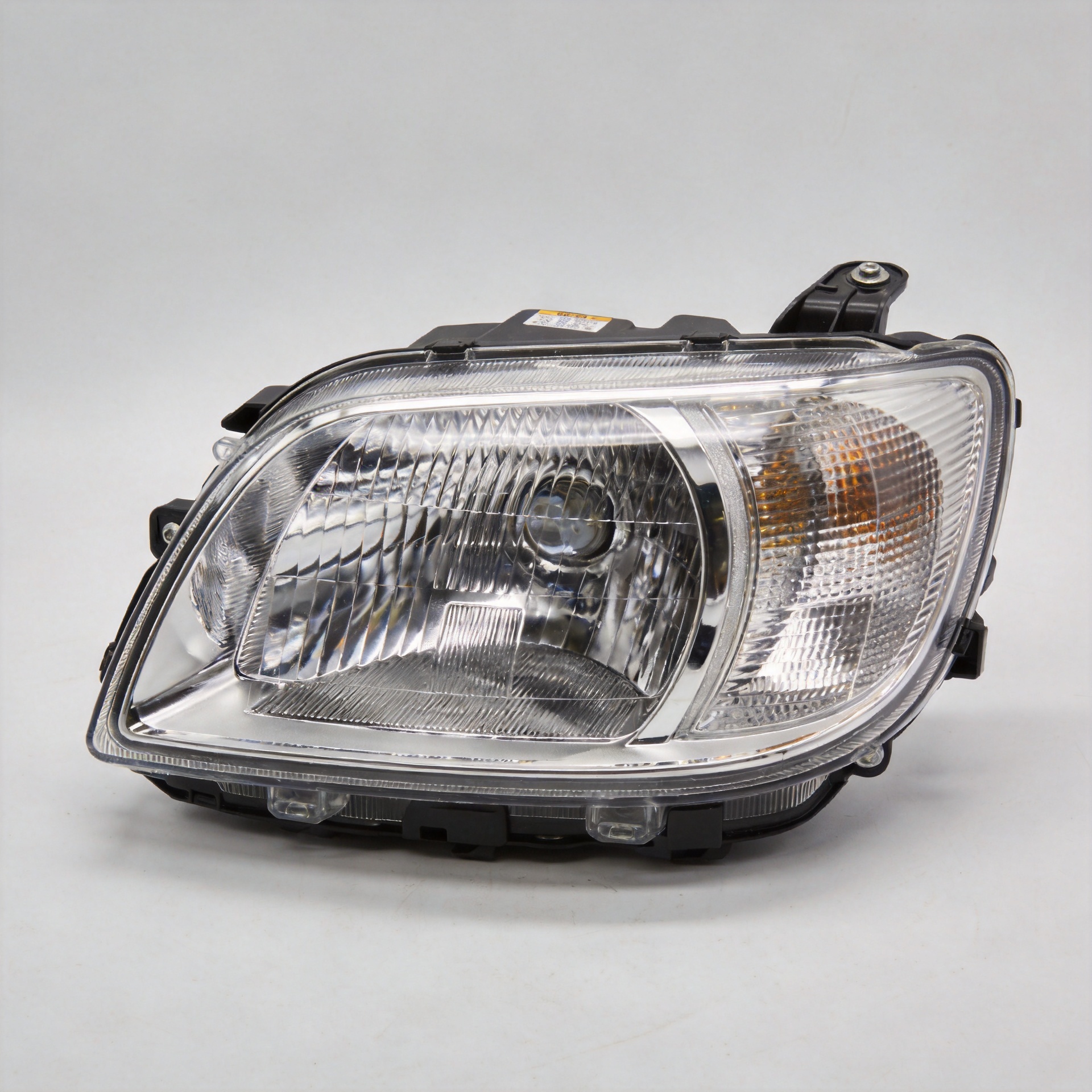
For example, the verified product record for YIAALUX includes a BMW E46 4-door 2001–2004 LED bi-focus projector headlamp assembly with DRL and turn-signal functions. It is useful as a fitment-specific product example, but it should not be substituted for an order-specific function checklist.
Make LHD/RHD and Beam Pattern a Purchase-Order Checkpoint
In auto headlight replacement, drive-side orientation is a commercial as well as technical issue. The low beam must distribute light for the intended traffic side, so a unit designed for one market can be unsuitable for another even when its housing fits the vehicle. The destination country, vehicle orientation, beam pattern, and applicable lighting approval requirement should therefore appear on the quotation review and final purchase order.
Do not make unverified claims about a product’s DOT, ECE, SAE, or other approval status. Instead, request the relevant marking photographs, test or approval documentation when required, and a sample review. Confirm that the markings, beam pattern, and supplied configuration relate to the exact SKU and production version being ordered. This is particularly important when a distributor sells into multiple regions under one private-label program.
Control Returns by Verifying the Electrical and Mechanical Interface
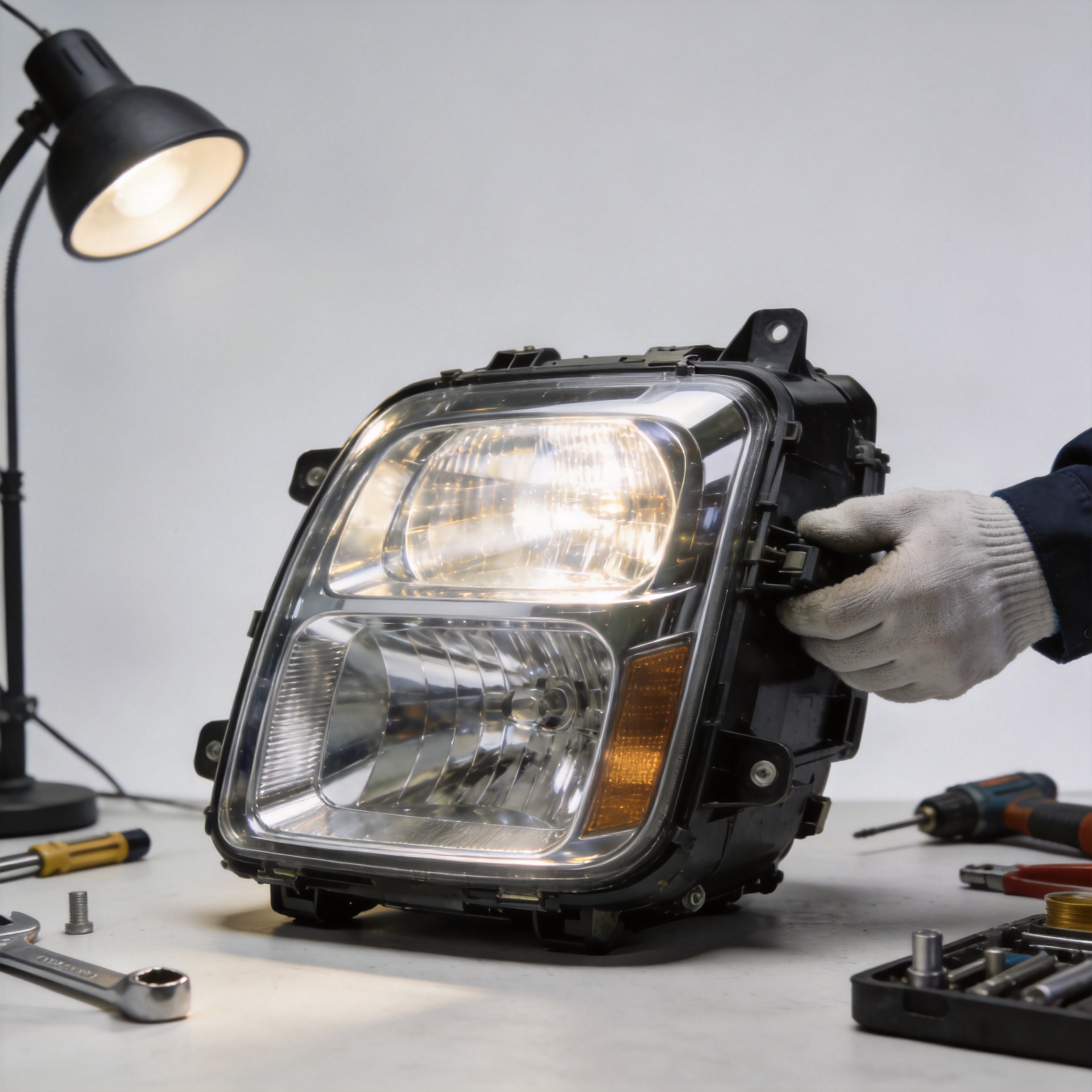
A good-looking sample can still create a return problem. The next check is the interface between the replacement headlight assembly and the vehicle. Compare connector housing geometry, pin arrangement, wire routing, rear-cover clearance, ballast or LED-driver placement, leveling-motor compatibility, and attachment points. If the original lamp uses a module that is reused, state that explicitly; if a component is included, identify it in the packing list.
Mechanical controls deserve the same discipline. Check upper and lower mounting lugs, adjustment screws, bumper/grille interference, lens-to-body gap, and packaging support around vulnerable tabs. Most importantly, use an installation trial on the nominated vehicle or a representative fixture before the first bulk release. A first sample validates appearance; a controlled trial validates the replacement process.
Approve the Batch, Not Only the Sample
Wholesalers buy repeatability. A sample approval should lead to a written specification that covers visual finish, lens clarity, housing color, sealing points, functional checks, side identification, labeling, carton marks, and packing quantity. It should also define the golden sample or image set used for pre-shipment comparison.
Total cost matters more than unit price alone. A lower quote can lose its advantage if the shipment creates fitment claims, side-mix errors, broken mounting tabs, missing components, or rework at the warehouse. Before scaling a new replacement headlight assembly line, agree on inspection timing, acceptable defect handling, replacement-part support, lead time, and traceability by lot or production date.
A Final Wholesale Release Checklist
- Confirm make, model, year range, body style, and OE reference.
- Confirm left/right side, pair logic, and LHD/RHD destination requirement.
- Confirm lamp technology and every included function or module.
- Validate connectors, mounting points, adjustment features, and installation clearance.
- Review market-specific compliance evidence for the exact SKU when needed.
- Approve the sample, inspection criteria, label, carton, and batch traceability plan.
- Release the purchase order only after the commercial and technical records match.
A disciplined process for auto headlight replacement protects margins and builds customer trust. When sourcing teams document fitment before price, verify interface before bulk production, and approve batch controls before shipment, a replacement headlight assembly becomes a dependable catalog line rather than a return-risk item.