EN
EN
Headlamp Lens Replacement Wholesale: What Auto Parts Distributors Need to Know
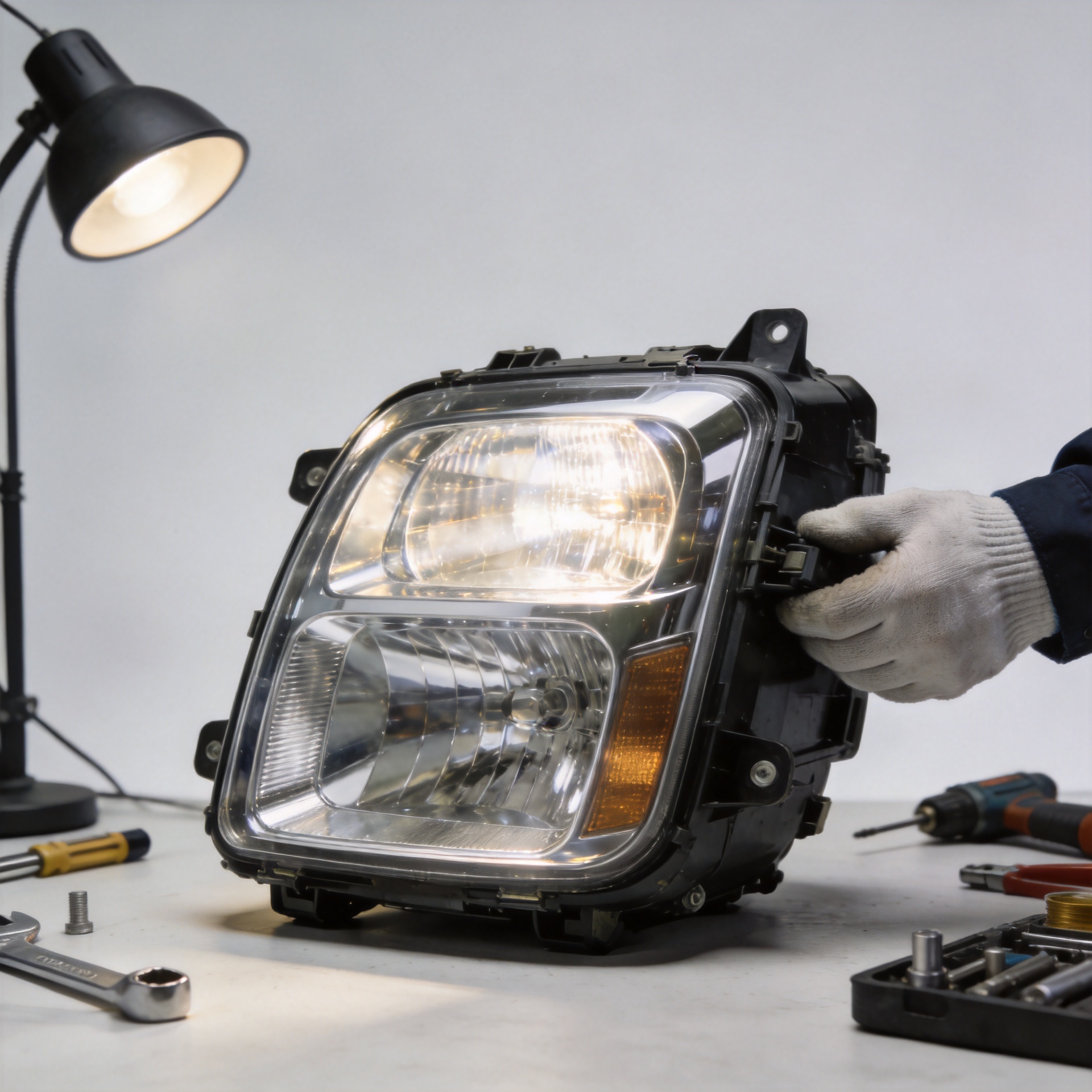
Running a wholesale auto parts operation means managing a catalog that stretches across hundreds of vehicle models, and headlamp lens replacements are one of the most searched-for yet least standardized categories you'll stock. In working with suppliers across Southeast Asia and evaluating multiple sourcing channels, I've found that the real cost of getting this category wrong shows up not on the invoice, but weeks later, in returns, compatibility disputes, and damaged relationships with your dealer network.
This guide covers the five dimensions that matter most when you're building or expanding your headlamp lens replacement wholesale program: vehicle compatibility management, material specification selection (PC vs PMMA), packaging protection requirements, pricing structure, and quality dispute resolution.
Why Headlamp Lens Replacement Demand Is Growing for Distributors
The shift from glass to polycarbonate headlight covers in the early 2000s created a replacement cycle that didn't exist before. Plastic lenses yellow, crack, and haze (typically within 3 to 8 years of manufacture), and that headlamp lens replacement demand is structural, not seasonal. For distributors targeting aftermarket segments in Europe, North America, and Southeast Asia, this translates into consistent reorder patterns that are predictable enough to plan inventory around.
With over 419 wholesale suppliers of headlight lens covers listed on platforms like Global Sources alone, the supply side is highly fragmented. The differentiation challenge for distributors isn't finding a manufacturer; it's building a catalog that covers your target vehicle population with documented compatibility, correct material specifications, and consistent quality batch over batch.
Vehicle Compatibility Range Management
The most common mistake I see new distributors make is treating headlamp lens replacement as a commodity search: lowest price, widest claimed compatibility. The compatibility range is actually where you build or lose dealer trust fastest.
A few practices that make a measurable difference over time:
- Document OE fitment, not just claimed fitment. Require your supplier to confirm year-range, model variant, and trim level for each SKU. A headlamp lens replacement listed as "compatible with Chery Tiggo" is far less operationally useful than one documented specifically for the 2015–2019 Chery Tiggo 7 standard headlight assembly.
- Manage long-tail SKUs strategically. For popular models in your target market, carry direct-fit replacements with enough buffer stock. For less common variants, a smaller initial quantity reduces capital exposure while still allowing you to service dealer orders.
- Verify fitment with a physical sample before committing to volume. Even with correct year-range documentation, minor assembly variations between production runs can affect seal fit and mounting point alignment. Photos won't show you these discrepancies.
PC vs PMMA: Material Specifications That Matter for Wholesale Buyers
When evaluating headlamp lens suppliers, the distinction between polycarbonate (PC) and acrylic (PMMA) is something you need to be able to explain to your dealers, since it directly affects the durability claims you can make and the warranty expectations you should set.
PC lenses can withstand temperatures up to approximately 130°C, compared to roughly 100°C for PMMA, which is a meaningful gap for engine-bay-adjacent components in high-ambient-temperature markets. In terms of impact resistance, polycarbonate is approximately 250 times more resistant to impact than glass, significantly stronger than PMMA's roughly 10x advantage over glass. If you're distributing into markets with rougher road conditions or higher rates of minor front-end impacts, this difference affects your return rate calculations more than most distributors account for upfront.
That said, PMMA has one advantage that makes it legitimate for certain applications: better inherent UV clarity retention without a coating. Standard PC requires a UV-resistant hard coat to prevent yellowing, and the quality of that coating varies considerably between suppliers. When reviewing samples from a new vendor, ask specifically about UV coating thickness documentation and whether they have accelerated degradation test results available.
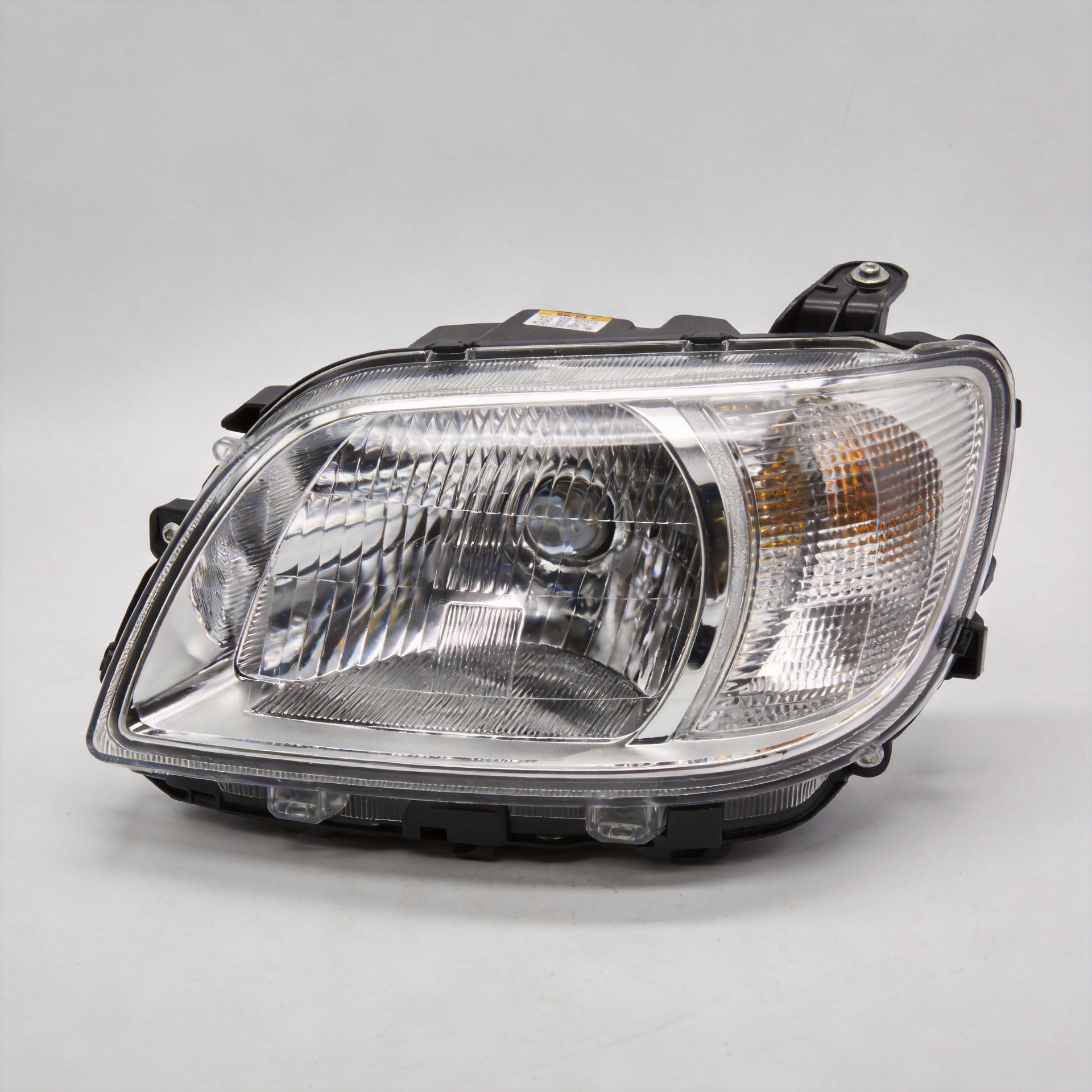
Clear PC lens replacements with documented direct-fit compatibility, such as the 2019–2020 Chery Tiggo 5X Headlight Cover Clear PC Lens and the 2015–2019 Chery Tiggo 7 Headlight Cover Clear PC Lens — illustrate how model-specific fitment documentation and material specification should be captured in your catalog and dealer-facing materials.

Packaging and Transit Protection for Bulk Shipments
Headlight lens covers are large, low-density, and highly susceptible to scratch and surface damage in transit. If you're sourcing in quantities of 50 to 200 units per model SKU, packaging failures compound quickly into a supply chain cost that doesn't show up until your return claims start arriving.
Minimum packaging requirements worth building into your supplier agreement from the start:
- Individual pearl cotton or EPE foam sleeve per lens, not shared outer packaging that allows contact between units in transit
- Outer carton compression strength appropriate for 4–6 stacking layers in ocean freight containers — verify this with your freight forwarder's load plan for oversized packaging
- Moisture barrier treatment (silica gel packets or inner poly bags) for shipments with transit times exceeding 30 days
- Clear outer carton labeling that includes model fitment, SKU reference, and unit count — this reduces warehouse picking errors that generate unnecessary return claims
Build these packaging specifications into your supplier contract before the first bulk order. Negotiating them after your first damage dispute is slower and more expensive.

Pricing Structure and MOQ Planning
Wholesale headlamp lens replacement cover pricing from Chinese manufacturers typically runs between $15 and $40 per unit depending on vehicle model complexity, lens geometry, and UV coating specification. MOQ requirements vary considerably — model-specific SKUs show MOQs ranging from a single unit for high-demand fitments to 50–100 pieces for less common variants.
When I've only compared unit price at sourcing time, I've consistently underestimated the real cost per saleable unit. Before placing a bulk order, factor in total landed cost: freight rates for oversized packaging categories, import duty rates in your target market, and your average return rate from comparable SKUs over the past 3–6 months. A headlight plastic cover replacement at $18 per unit with a 12% return rate from a quality-inconsistent supplier often has a higher effective cost per saleable unit than a $24 lens with a 2% return rate from a more stable source.
Quality Inspection and Dispute Resolution
Batch consistency in headlamp lens replacement products is harder to assess from samples than most distributors realize. A common scenario: the first two orders are clean, then the third batch introduces a subtle change in the lens mounting clip geometry — not visible in photos, only apparent when a dealer attempts installation.
Steps that reduce quality dispute exposure:
- Pre-shipment inspection for orders over 100 units: check coating evenness under directional light, mounting point dimensions against your spec sheet, and lens clarity before and after simulated UV exposure if possible
- Retain a sample set from each batch — this gives you a reference when a dealer reports a fitment issue, allowing you to determine whether the problem is batch-wide or installation-specific before processing a return
- Define defect rate thresholds in your supplier agreement. Typical B2B wholesale terms specify 1–3% as acceptable with replacement obligation for anything above that threshold
- Document what constitutes a defect — surface scratches, structural cracks, coating delamination, fitment deviation — so there's no ambiguity when you need to escalate a claim
For distributors who carry headlight glass replacement, headlight plastic cover replacement, and other lens-only SKUs alongside headlamp lens replacement, applying these standards consistently across product types is what keeps quality disputes manageable rather than constant.
Building a Headlamp Lens Replacement Wholesale Program That Scales
The five dimensions covered here — compatibility documentation, material selection, packaging standards, total-cost pricing, and batch quality control — are what determine whether a headlamp lens replacement wholesale program runs profitably or generates ongoing service overhead. Get the supplier selection and procurement terms right at the outset, and the day-to-day headlamp lens replacement catalog management becomes much more predictable.
YIAALUX, based in Danyang's automotive lighting production cluster in Jiangsu Province, manufactures clear PC headlamp lens covers for passenger car and motorcycle models with export experience across European, North American, and South American markets. For distributors evaluating suppliers for OEM-style headlamp lens replacement inventory, their product line offers a reference point for fitment-specific documentation and PC material specification at competitive wholesale pricing.