EN

Custom Motorcycle Headlights: Key Design Choices for Buyers
A custom motorcycle headlight is not simply a styling part. For a wholesaler, distributor, or OEM program, it is an assembly whose optical layout, housing, mounting points, electrical interface, and market documentation must agree. The most dependable way to buy a custom motorcycle headlight is to turn the visual concept into a checkable specification before approving samples or production.
That matters because a round lamp that looks right in a rendering may still create problems on the bike: the bucket may not clear the forks, the connector may not match the harness, or the beam pattern may not suit the destination market. Buyers evaluating a custom motorcycle headlight should therefore compare the whole assembly rather than a single brightness claim.
Start With the Design Brief, Not the Catalog Photo
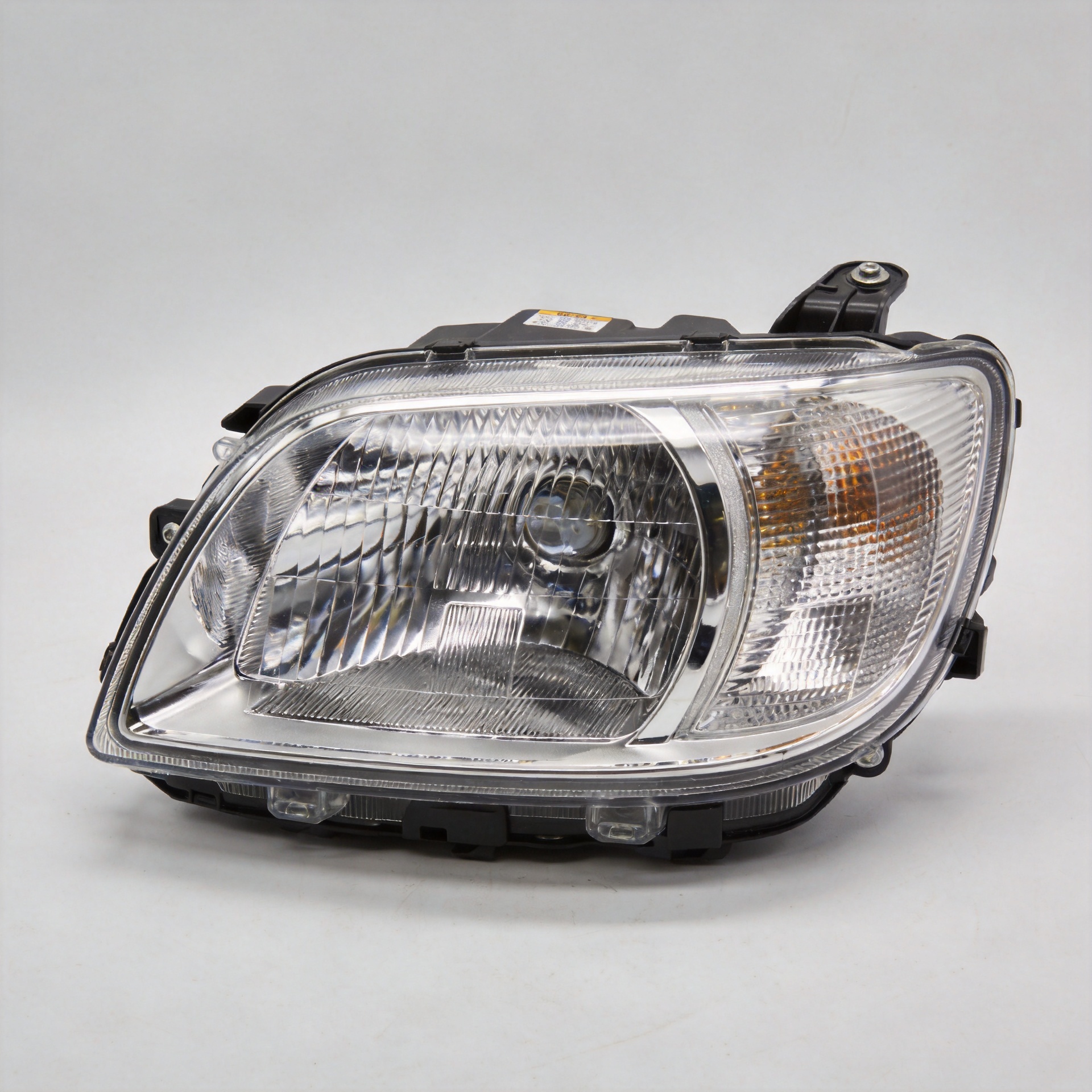
For a consideration-stage purchase, begin with the intended motorcycle family and the finished look: classic round, café-racer, adventure, streetfighter, or an OEM-specific form. A custom motorcycle headlight brief should state the outside diameter, visible lens shape, bezel finish, housing depth, preferred color treatment, logo position, and whether the lamp needs a separate bucket or integrated mounting ears.
Then add the vehicle-side facts. Ask for fork diameter or bracket dimensions, the available clearance behind the lamp, mounting-hole locations, and the target installation height. This step prevents a common issue in custom builds: a lamp can fit the visual theme but require a costly bracket redesign. For a custom motorcycle headlight, photographs are useful references, but a dimensioned drawing and a sample-fitting check are more useful purchasing evidence.
Choose the Beam Function Before Comparing Output Numbers
Many buyers start with lumens. That is understandable, but it is incomplete. In a custom motorcycle headlight, beam distribution, cutoff behavior, high/low-beam function, and aimability determine how light is used on the road. A very bright center spot can be less useful than a controlled pattern that gives the rider usable peripheral information without unnecessary glare.
Request beam photos or test material that identifies the test distance, lamp position, supply voltage, and beam mode. Compare the pattern with the actual use case: an urban commuter, a touring bike, and an off-road-oriented build do not need the same balance. If the project needs both high and low beam, make that an explicit requirement for the custom motorcycle headlight, together with the switching method and indicator behavior.
Match Housing Construction to the Riding Environment
The lens, reflector or projector system, heat path, rear cover, seals, and venting all influence long-term performance. A custom motorcycle headlight used in rain, dust, vibration, or temperature swings needs a housing design that can be inspected as an assembly. Ask how the lens is retained, where the cable exits, how the rear cover seals, and what happens at the mounting interface under vibration.
Do not treat an IP rating as the entire durability story. The rating only has meaning with the relevant test conditions and documentation. A sensible buying question is: which seals, fasteners, and cable-entry details will be used on this custom motorcycle headlight, and how will the sample confirm them? This keeps the conversation focused on verifiable construction instead of generic “waterproof” wording.

Define Electrical and Interface Details Early
Electrical compatibility is a frequent source of rework. Specify the vehicle system voltage, connector type, wire length, polarity, fuse or relay expectations, and whether the custom motorcycle headlight must work with a CAN-bus-sensitive motorcycle or a conventional harness. Clarify daytime-running-light, position-light, turn-signal, or halo-ring functions separately; each function may affect the wiring diagram and the approval route.
A sample should be checked on the intended motorcycle or a representative fixture. Confirm startup behavior, high/low switching, connector retention, heat after a realistic operating period, and physical clearance at full steering lock. These checks are far easier before a bulk purchase order than after cartons have reached a distributor.
Build Market Compliance Into the Purchase Decision
For road-going projects, the destination market must drive the documentation request. Search results on lighting regulation identify UNECE R149 as a current framework for new type approvals of relevant road-illumination functions, but applicability depends on the market and the specific lamp function. Treat any E-mark, DOT, SAE, or other approval statement for a custom motorcycle headlight as a document-verification task, not a design assumption.
Ask the supplier which marking appears on the lamp, which function it covers, which test report or certificate supports it, and whether that evidence corresponds to the intended SKU. This is especially important when the exterior, LED configuration, optics, or wiring of a custom motorcycle headlight changes from an existing approved version. A visual change can be minor; an optical or functional change may not be.
Use Samples to Verify Fitment and Production Readiness
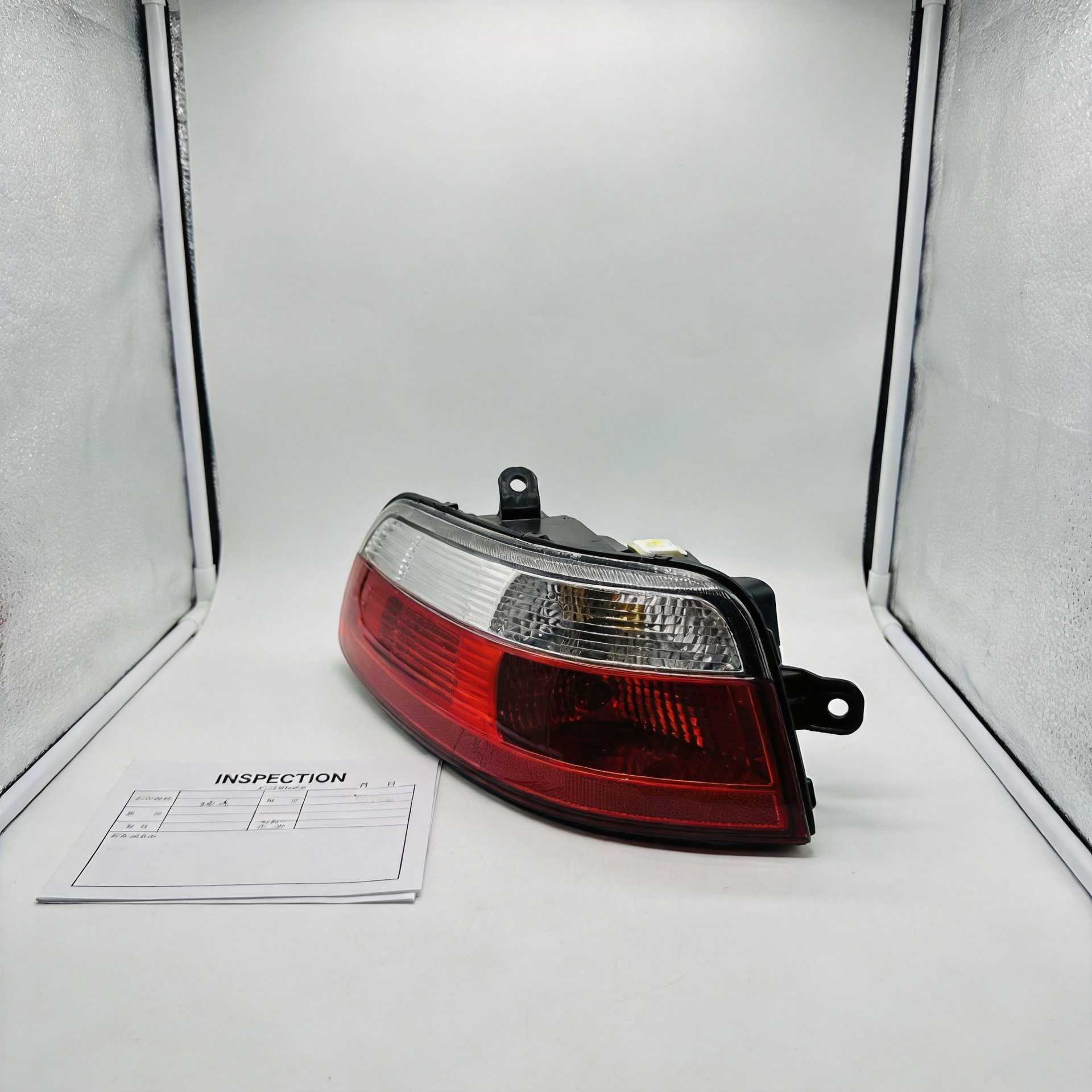
A good sample plan checks more than appearance. Inspect the lens and bezel finish under normal light, test bracket alignment, review the connector and harness, operate every stated function, and compare the delivered assembly with the approved drawing. For a private-label custom motorcycle headlight, also verify logo placement, packaging artwork, barcode requirements, and replacement-part policy.
YIAALUX offers an example of why fitment-specific information should be requested rather than inferred: its E-mark certified LED driving headlight for BMW F800GS, F700GS and F650GS is named for particular motorcycle applications. Buyers should still confirm the actual drawing, supplied documents, and sample fit for their own program before ordering.
A Practical Custom Motorcycle Headlight Checklist
| Decision area | What to confirm |
|---|---|
| Appearance | Diameter, lens style, bezel, housing finish, branding location |
| Fitment | Mounting points, bracket geometry, rear clearance, steering clearance |
| Optics | Beam modes, pattern evidence, aiming method, target riding scenario |
| Electrical | Voltage, connector, wire length, auxiliary functions, wiring diagram |
| Compliance | Destination-market requirements, applicable marking, supporting documents |
| Production | Golden sample, inspection points, packaging, lead time, replacement policy |
The most suitable custom motorcycle headlight choice is the one whose design decisions can be confirmed in writing and on a physical sample. By separating styling, fitment, optics, wiring, compliance, and production controls, procurement teams can compare suppliers on evidence instead of promises—and create a more reliable path from concept to repeatable delivery.