EN
EN
Car Headlight Replacement Guide: When to Replace and What to Look For
If you've ever delivered a batch of auto headlight replacement parts only to field complaints about poor fitment or premature failure, you already know: not all car headlight replacement products are equal, and the decision to replace is rarely straightforward. Whether you're stocking OEM bulbs or LED assemblies, understanding what drives car headlight replacement demand is the foundation of smart sourcing. For wholesale buyers, distributors, and OEM procurement teams, understanding what actually drives car headlight replacement, and what separates a reliable product from a liability — determines whether your inventory moves cleanly or generates returns.
Common Scenarios That Trigger Car Headlight Replacement
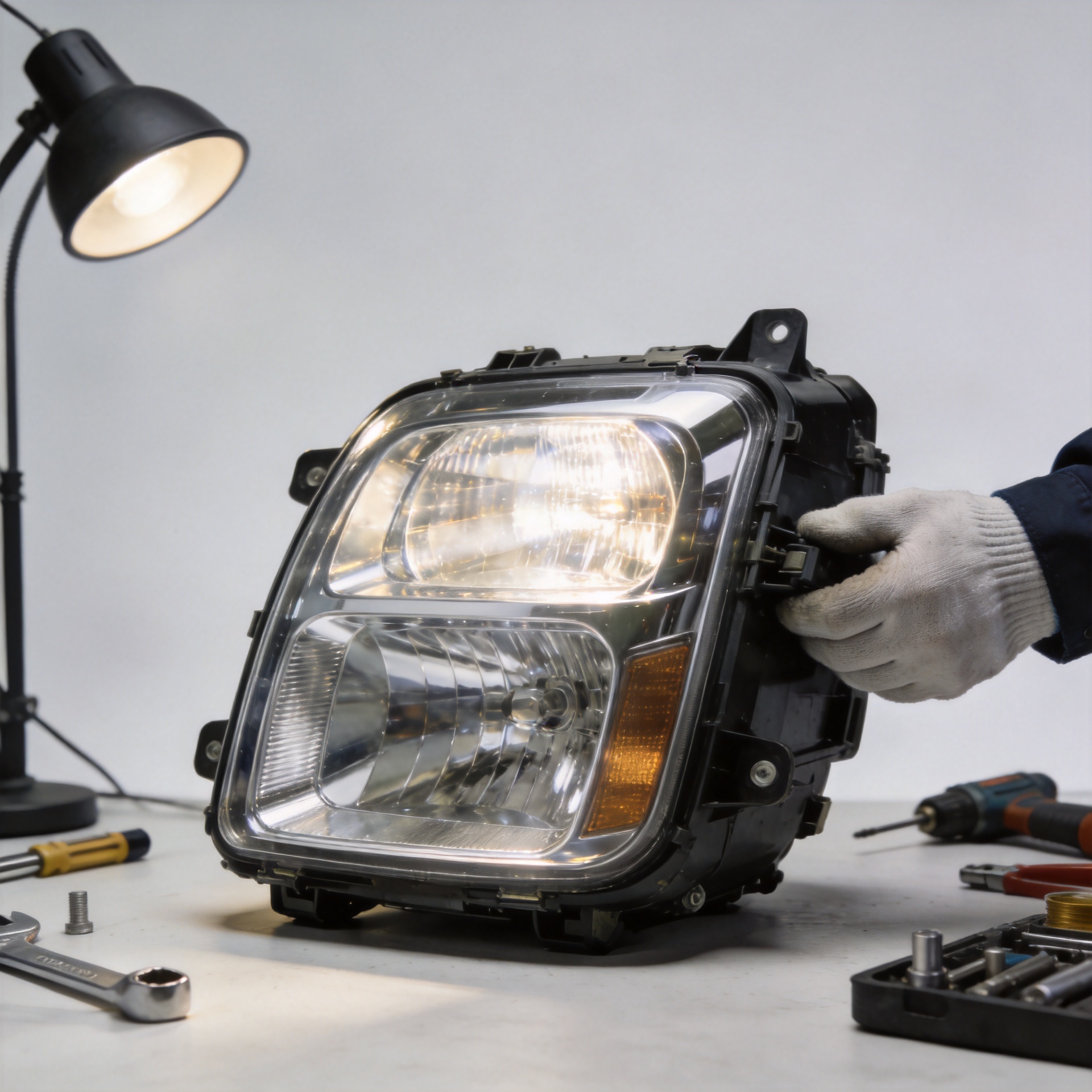
Car headlight replacement demand comes from three distinct scenarios, each with different product implications. Recognizing which category a customer request falls into determines the right product recommendation.

Collision Damage
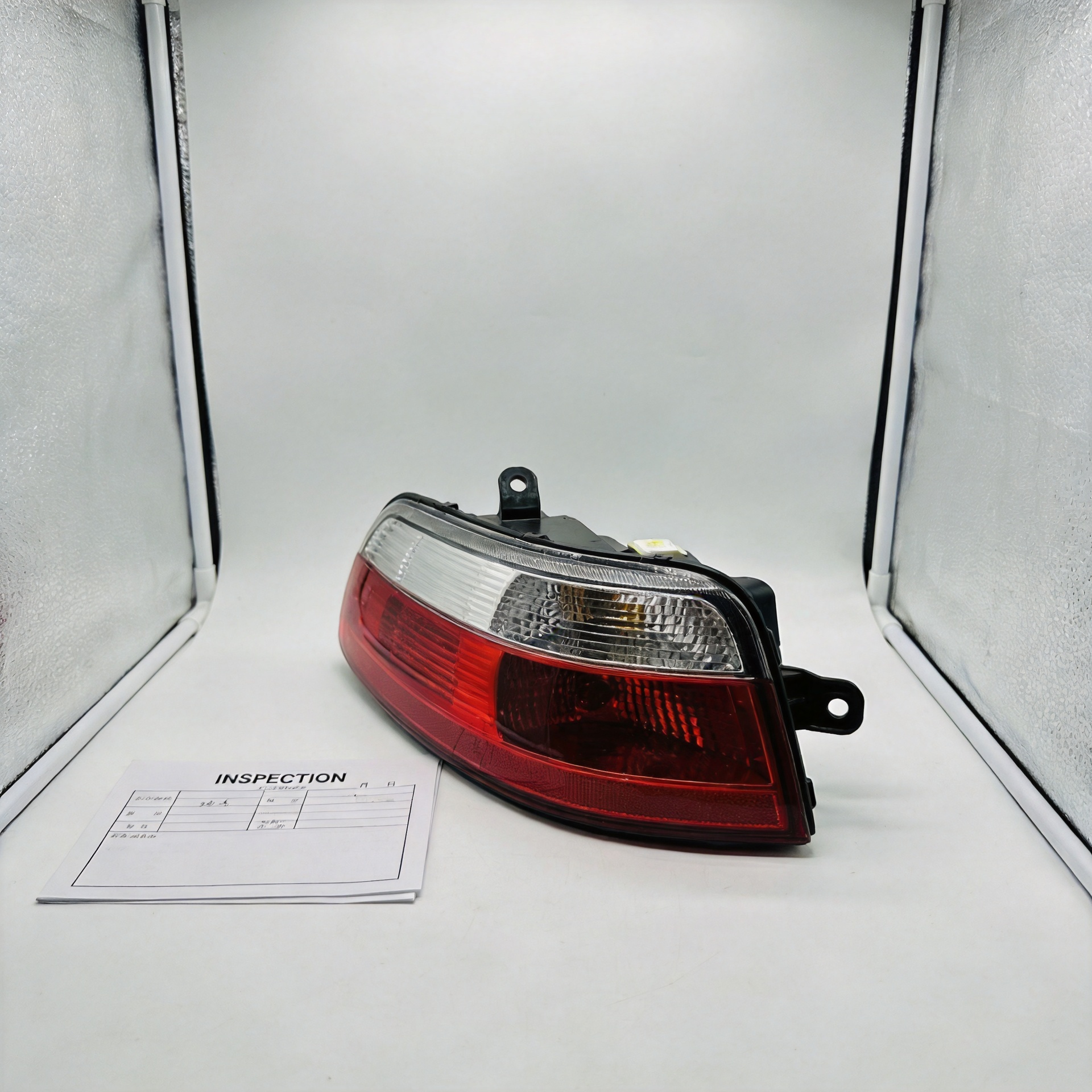
A cracked housing, shattered lens, or bent mounting bracket after impact is the most immediate replacement trigger. Even minor fender-benders can misalign the beam without obvious visible damage, creating a safety issue that isn't caught until the vehicle fails inspection. This is the highest-volume demand driver for shops handling insurance-billed collision repairs, and it requires OEM-accurate fitment above everything else.
Natural Aging and Performance Decline
Halogen headlights typically deliver 500–1,000 hours of service life. Over years of use, the output fades gradually: the beam turns yellowish, housings become cloudy, and light begins flickering under road vibration. These signs rarely trigger an urgent single repair. Instead, they create predictable replacement demand across vehicle fleets reaching the same age milestone at the same time. For distributors serving fleet operators or high-turnover rental companies, recognizing this pattern lets you time stock replenishment ahead of demand spikes rather than reacting to them.
LED Upgrade Requests
The third trigger is increasingly shaping the aftermarket: vehicle owners and fleet managers who want to upgrade from halogen to LED for better brightness, lower power consumption, and a longer service interval. This is not a repair decision; it's a product improvement decision. LED replacement bulbs deliver significantly more light output per watt than halogen, and purpose-built LED assemblies for popular vehicle models have made the upgrade path accessible across a wide range of applications.
OEM Replacement vs. LED Upgrade: Two Different Purchasing Paths
Once the replacement need is confirmed, buyers typically face one of two procurement directions. Each has a different cost structure, installation complexity, and downstream market fit.
OEM-Style Replacement
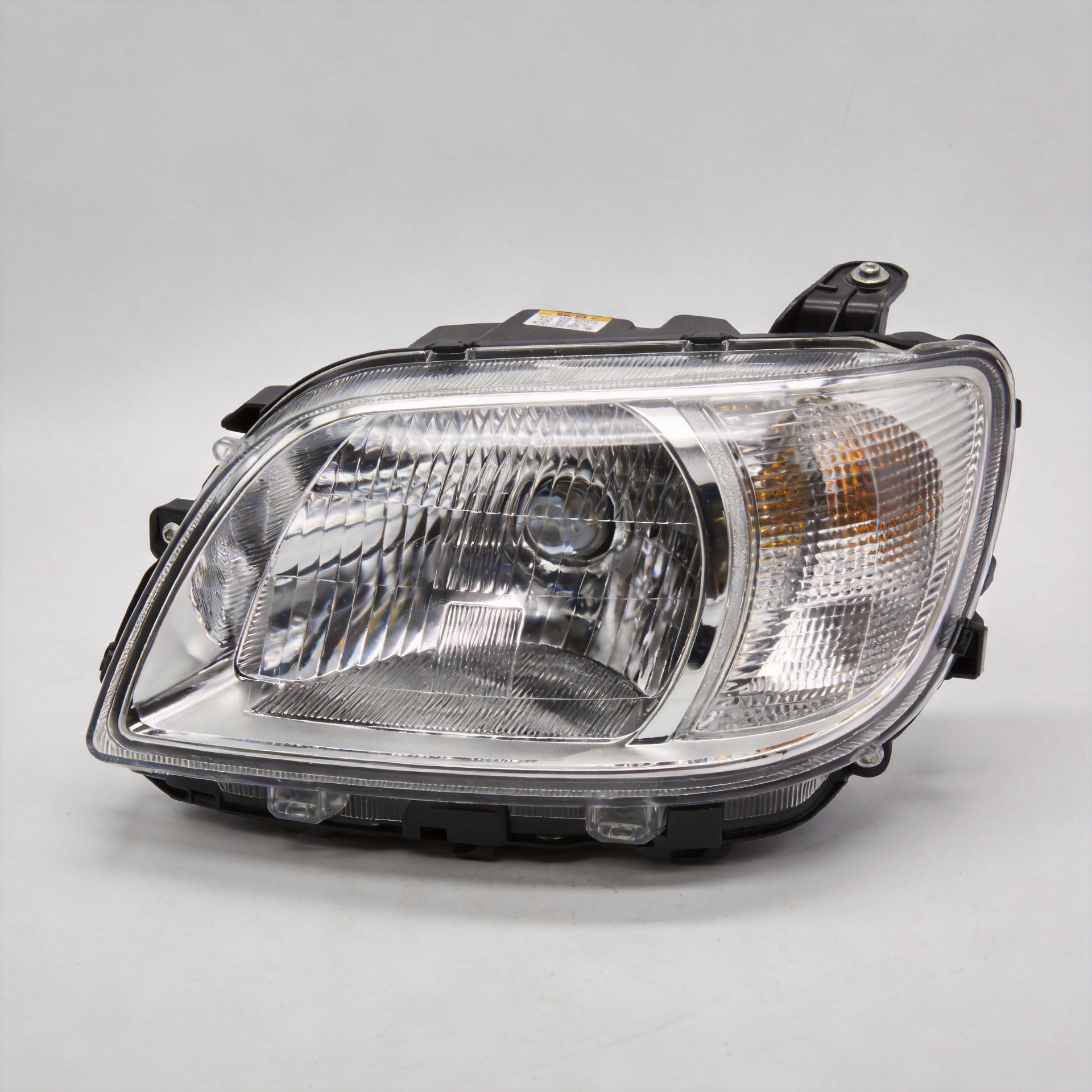
An OEM-style replacement replicates the factory specification. Halogen replacement bulbs cost roughly $10–$40 per unit at retail; a complete OEM-equivalent headlight assembly for a mainstream vehicle runs $100–$200, while luxury-platform assemblies can exceed $1,000 per unit. The case for OEM-style products is low installation risk: compatible connectors, matching beam patterns, no rewiring, minimal warranty exposure.
The trade-off is performance parity: you restore the vehicle to its original state, nothing more. For distributors supplying collision repair shops where labor time is fixed and insurance specifications define the job scope, OEM accuracy is often non-negotiable.
LED Upgrade Path

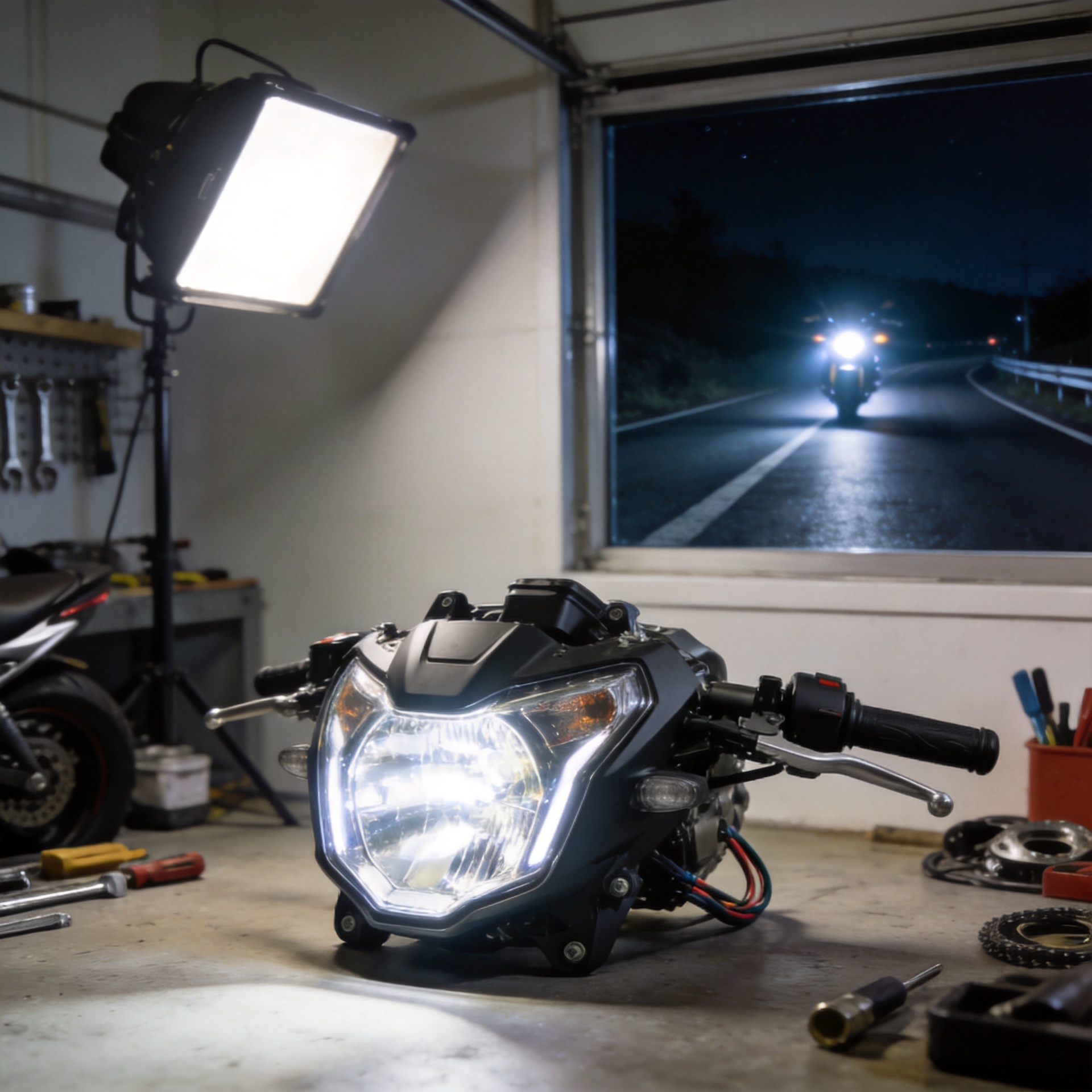
LED conversion options range from plug-and-play replacement bulbs ($50–$200 a pair at retail) to complete LED headlight assemblies, which vary widely by vehicle model. The performance advantages are real: higher lumen output per watt, longer rated lifespan, and reduced electrical load on the vehicle system. However, not all vehicles are equally well-suited for aftermarket LED conversion without modification.
Beam pattern compliance is the critical variable that many procurement teams overlook until returns arrive. A high-lumen LED bulb dropped into a housing designed for halogen optics may produce more total light output while projecting a worse usable beam — scattering glare rather than illuminating the road ahead. For vehicle platforms with complex integrated lighting systems, purpose-engineered LED assemblies are the more appropriate sourcing target.
For example, vehicles like the Toyota Land Cruiser LC200 — a platform with specific multi-function lighting requirements — benefit from purpose-designed LED headlights engineered to match the vehicle's mounting dimensions, optical housing geometry, and connector specifications. The LC200 LED headlight assembly is an example of this approach, designed for direct OEM-equivalent installation while delivering LED-grade output.
What to Look For When Sourcing Replacement Headlights
Whether you're building a catalog for a retail chain, stocking for a workshop network, or sourcing for export distribution, the evaluation criteria for car headlight replacement and auto headlight replacement products are consistent. These factors apply regardless of whether you're sourcing halogen bulbs, LED conversion kits, or complete assemblies.
- Certification Compliance: Replacement headlights must carry certification valid in the target market. The U.S. requires DOT and SAE compliance; European markets require ECE certification; individual Asian markets have their own requirements. Stocking non-compliant products creates clearance risk and resale liability that erases margin quickly.
- Fitment Accuracy: Headlights are vehicle-specific. Connector type, mounting bracket geometry, and housing profile must match the application. An incorrect fit generates returns, delays repairs, and damages your supplier reputation. Verify compatibility documentation before committing to volume.
- IP Rating and Weatherproofing: Sealed headlight assemblies should carry IP67 or equivalent ratings. Poor sealing leads to moisture ingress, internal fogging, and corrosion, the most common failure mode buyers report from lower-cost sourcing decisions.
- Thermal Management in LED Products: LED drivers generate heat that must be managed to maintain consistent output. Assemblies without proper heat sink design or active thermal management show premature lumen depreciation, particularly in warm climates or high-duty-cycle applications.
- Total Cost Perspective: Unit price alone is a poor sourcing filter. Factor in expected failure rate, return handling costs, and the labor cost of reinstallation when comparing options across price tiers. A product that fails at twice the rate of a slightly more expensive alternative typically costs more in aggregate.
For B2B Buyers: Supplier Evaluation Considerations
Beyond product attributes, wholesale procurement success depends on supplier reliability. A few practices reduce sourcing risk:
- Require complete technical documentation (spec sheets, installation manuals, and certification files) before placing batch orders. This protects your downstream customers and supports compliance reporting in regulated export channels.
- Test samples across fitment, beam quality, and weatherproofing before committing to catalog listing. The same vehicle application from different suppliers can differ substantially in real-world performance.
- Evaluate production capacity and lead time reliability. An inability to fulfill repeat orders consistently creates stockouts that interrupt your own customer commitments.
Suppliers operating from established automotive lighting manufacturing clusters — like Danyang, Jiangsu, where YIAALUX is based — carry supply chain advantages in component sourcing and production consistency that matter in volume procurement contexts.
Summary: Building a Better Framework for Car Headlight Replacement Sourcing
Car headlight replacement is a high-frequency, safety-critical category where sourcing decisions have direct consequences for your customers' vehicles and your own margin. Understanding the three triggers that create demand, the two primary replacement paths and their respective trade-offs, and the product attributes that define reliability: certification, fitment, IP rating, thermal design, and total lifecycle cost — gives procurement teams a more complete framework than price alone.
If you're evaluating suppliers for OEM-style replacement stock or expanding into the LED upgrade segment, YIAALUX offers both product types across car and motorcycle lighting platforms, with export experience across European, North American, South American, and Asian markets. Reach out to discuss specific vehicle applications, certification requirements, or sample requests.