EN

BMW F30 Headlight Parts: How to Verify Your Replacement Specification
Ordering BMW F30 head lights is not simply a matter of matching the shape in a product photo. For a replacement buyer, the useful question is: does this assembly match the car’s build configuration, lighting system, electrical interface, and intended road-use requirements? That distinction matters whether you are replacing crash-damaged lamps, stocking parts for a wholesale program, or evaluating an LED upgrade.
BMW F30 headlight parts are often grouped under one vehicle-family label, but the vehicles and lamp systems behind that label are not identical. A disciplined verification process reduces returns, avoids installation surprises, and gives your workshop or purchasing team a clear record of what was approved.
Start With the Exact Vehicle, Not the “F30” Label
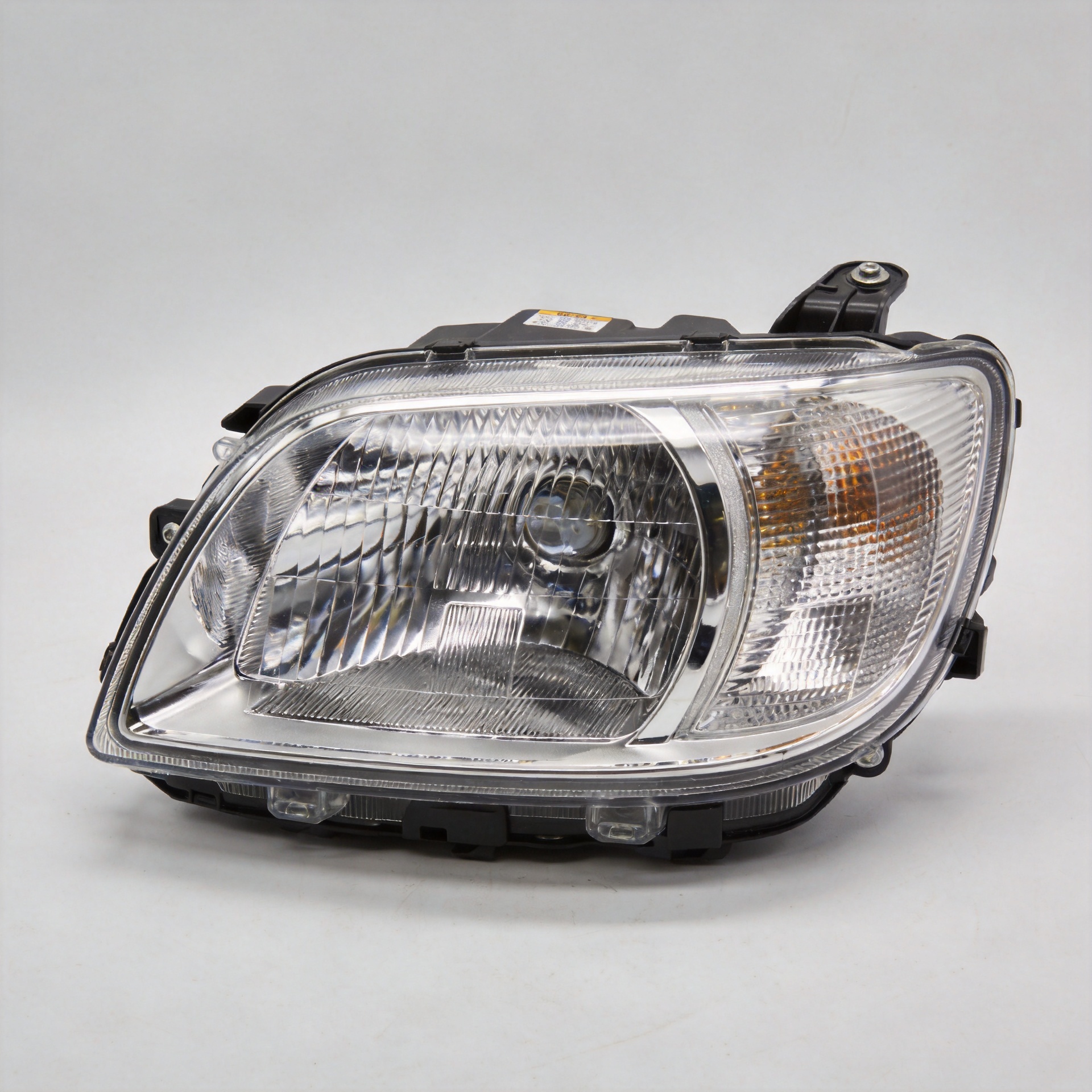
The F30 label is commonly used for the BMW 3 Series sedan generation, yet a listing may also refer to related body styles or an F3x family. Do not treat those descriptions as interchangeable. Confirm the VIN or build data first, then record the model year, body style, left- or right-hand-drive market, and the side being replaced. If the buyer is replacing only one lamp, compare the existing unit’s label and housing details as well.
A practical purchase record should identify:
- Vehicle identification number or decoded production data;
- Body style and model year, including whether it is pre-LCI or LCI;
- Left-hand or right-hand traffic configuration;
- Left, right, or paired assembly requirement; and
- Any existing part number or housing label captured from the vehicle.
This is the first control point for headlight F30 sourcing. It keeps a broad marketplace title from becoming the only basis for fitment.
Identify the Original Lighting System Before Comparing Upgrades
Next, establish what the car left the factory with. Common F30 replacement conversations involve halogen, xenon/HID, LED-style, adaptive, and non-adaptive configurations. The housing appearance alone is not enough to prove interchangeability. Ask for clear photos of the rear cover, connectors, module locations, and the original lamp label; where possible, compare them with vehicle option data.
For BMW F30 head lights, the specification sheet should state which original systems the replacement supports and what is excluded. A product described as a halogen or xenon-to-LED upgrade may be suitable only for the combinations named by that supplier. It should not be assumed to preserve adaptive functions, leveling behavior, warning-free operation, or every market-specific feature unless those items are explicitly confirmed.
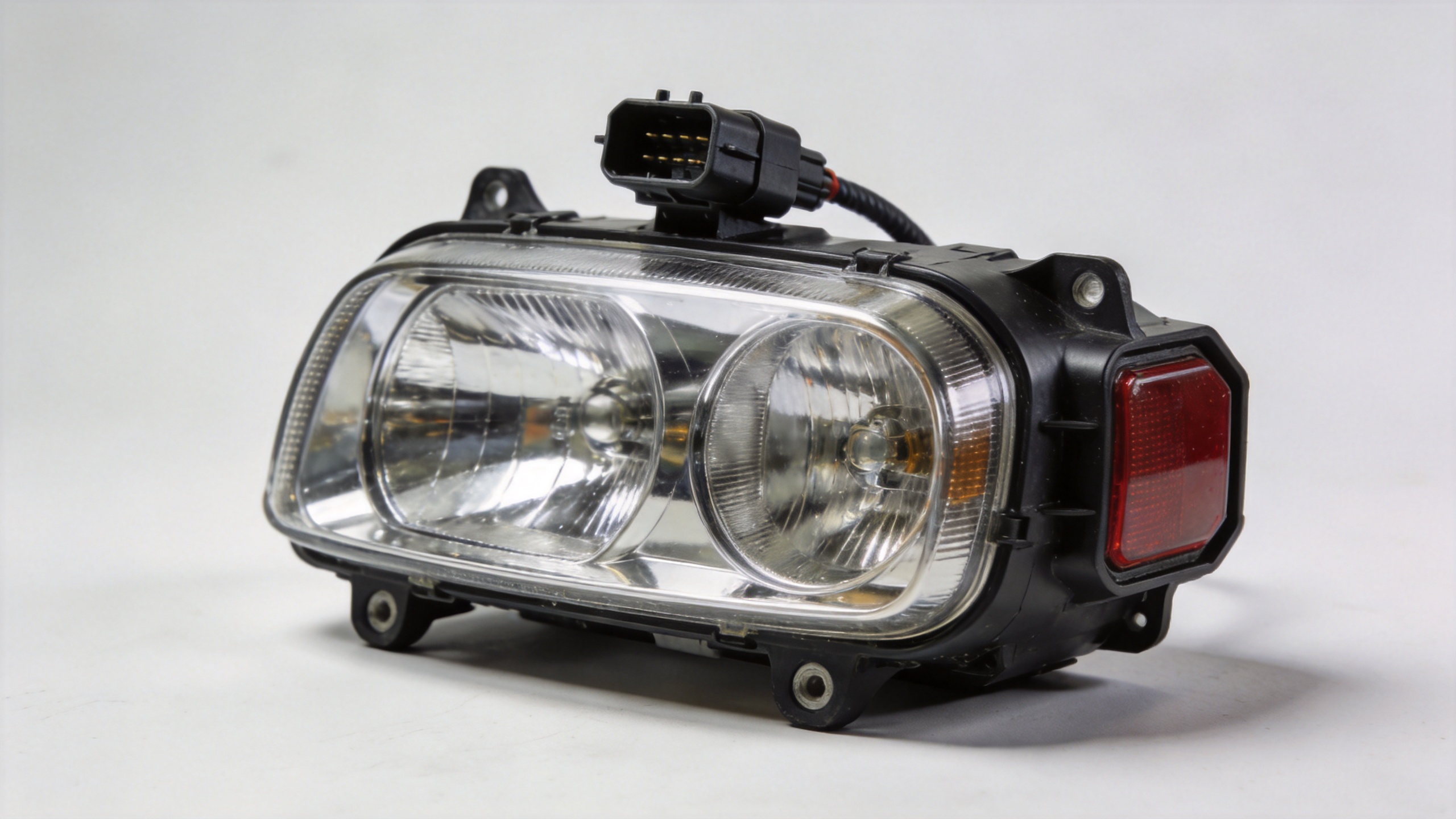
One example in the current catalog is a F30 LED Headlight Assembly for BMW 3 Series F30 2009-2014 Halogen Xenon HID Upgrade to Full LED Plug&Play No AFS. Its title states a specific application scope and “No AFS.” Treat that as a product-specific starting point: verify the vehicle year, original lamp type, and absence of the excluded function before placing an order.
Check Connectors, Modules, and Coding Requirements Separately
“Plug and play” can mean different things in different listings. It may describe the physical mating connector, but it does not automatically prove that every electronic function will work without additional harnesses, modules, coding, or fault-clearance steps. The correct replacement specification distinguishes physical fitment from electrical and software compatibility.
| Verification item | What to compare | Why it matters |
|---|---|---|
| Connector interface | Pin layout, connector shape, and harness location | Prevents an assembly that cannot connect to the vehicle loom. |
| Control modules | Whether original modules transfer, are supplied, or are not used | A housing can fit while its electronics remain incompatible. |
| Functions | Low/high beam, DRL, turn signal, leveling, adaptive features, warning behavior | Confirms which functions are retained, changed, or unavailable. |
| Coding | Supplier instructions and workshop capability | Clarifies whether installation needs configuration beyond mechanical work. |
A useful rule is to request written confirmation for each line, not a general compatibility statement. If a supplier cannot confirm a feature, classify it as unverified rather than assuming it is included.
Verify the Mechanical Package and Installation Scope
A complete lamp assembly may require more than removing the old housing. Access can involve bumper-cover fasteners, wheel-well liners, mounting brackets, aiming adjustments, and final functional checks. Before a fleet, distributor, or workshop order is released, ask whether the supplied package includes brackets, rear covers, bulbs or LED drivers, seals, adapters, and any required hardware.
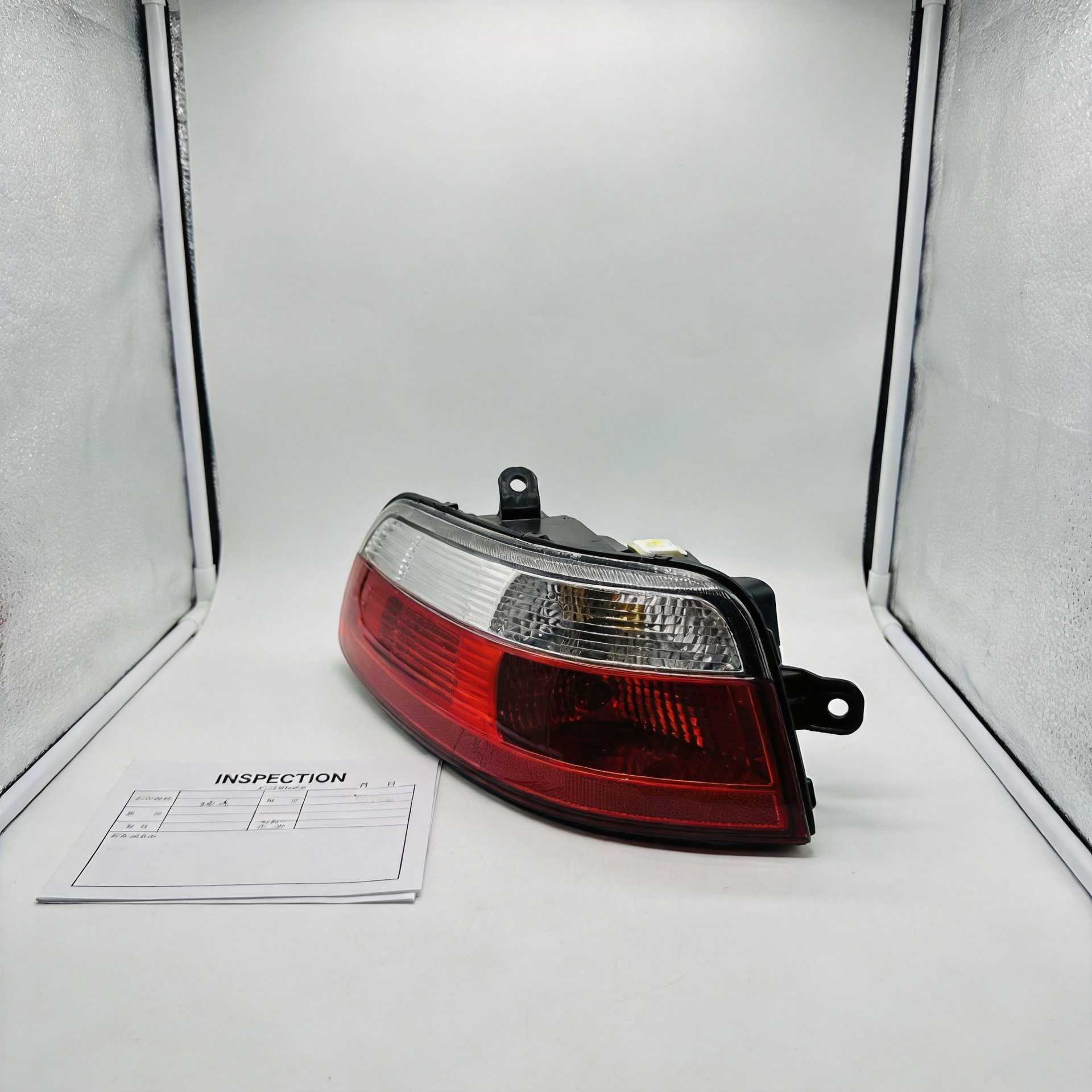
There is a second practical issue: a sample that looks correct is not the same as a controlled production specification. For recurring purchases, request photos of the label, connector, rear housing, mounting tabs, and supplied accessories for the approved sample. Then attach those records to the purchase order. This helps the receiving team compare later batches instead of relying on a generic product name.
Confirm Legal and Market Requirements Before You Buy
For decision-stage buyers, road legality deserves its own checkpoint. Headlamp beam pattern, traffic-side orientation, markings, and local approval requirements vary by market. An aftermarket upgrade may be appropriate for a particular use or export destination but not automatically acceptable for every road-going vehicle. Do not infer compliance from LED appearance, brightness claims, or a listing photo.
Ask the supplier which market the assembly is designed for, what markings or documents are available, and whether the beam pattern is intended for left- or right-hand traffic. Your importer, workshop, or local compliance adviser should confirm the final requirement for the destination market. This protects the buyer from using an otherwise compatible part in an unsuitable regulatory context.
A Five-Minute Replacement Specification Checklist
- Decode the vehicle and record model year, body style, traffic side, and original part details.
- Confirm pre-LCI or LCI status and the factory headlight system.
- Match the connector, module arrangement, and required functions—not just the outer lens shape.
- Review the supplied components, installation work, aiming needs, and possible coding steps.
- Get written confirmation of market orientation, excluded features, and any claimed compliance documentation.
For wholesale programs, make this checklist part of the inquiry form. It produces cleaner quotations and makes it easier to compare BMW F30 head lights from several suppliers on the same technical basis.
Make the Purchase Decision on Verified Facts
The appropriate replacement is not automatically the newest-looking LED assembly or the lowest-priced option. It is the unit whose documented scope matches the vehicle and the buyer’s intended function. A structured verification file should include vehicle evidence, supplier specification, product photos, function notes, and the final approval decision.
YIAALUX supplies automotive and motorcycle lighting products for wholesale and vehicle-manufacturer customers. When evaluating an F30 replacement program, share the vehicle configuration and the functions you need to retain so the product scope can be checked before ordering. That approach keeps the discussion focused on fitment evidence, not assumptions.
BMW F30 Head Lights: Purchase-Order Field Guide
Use the following controlled fields when requesting BMW F30 head lights. Repeating the vehicle and lamp identifiers in the inquiry helps the buyer, supplier, and receiving team compare the same specification rather than a generic image.
- BMW F30 head lights vehicle VIN or decoded build record.
- BMW F30 head lights body style and production month.
- BMW F30 head lights pre-LCI or LCI designation.
- BMW F30 head lights left-side or right-side assembly.
- BMW F30 head lights left-hand-traffic or right-hand-traffic beam requirement.
- BMW F30 head lights original halogen, xenon, or LED system.
- BMW F30 head lights adaptive-function status.
- BMW F30 head lights leveling-function requirement.
- BMW F30 head lights connector photos and part-label photos.
- BMW F30 head lights module transfer or supplied-module requirement.
- BMW F30 head lights coding requirement confirmed in writing.
- BMW F30 head lights mounting-tab and rear-cover comparison.
- BMW F30 head lights included adapters, seals, and hardware.
- BMW F30 head lights beam-pattern orientation for the destination market.
- BMW F30 head lights available marking and document request.
- BMW F30 head lights sample approval photos for the purchase file.
- BMW F30 head lights batch label and receiving-inspection criteria.
- BMW F30 head lights functional test checklist after installation.
- BMW F30 head lights supplier confirmation of excluded features.
- BMW F30 head lights final buyer approval before shipment.
This template is also useful when the buyer searches for headlight F30 options across multiple catalogs. It turns a broad search into a comparable technical request and preserves the evidence needed for a confident replacement decision.