EN
BMW Daytime Running Lights: Fitment Checks for Aftermarket Buyers
For an aftermarket buyer, a BMW daytime running light (DRL) order is not a simple “BMW compatible” purchase. The fastest way to create returns, rework, or an unsellable batch is to treat a model family as one fitment. BMW platforms often vary by body style, production period, original headlamp system, connector layout, and market equipment. A disciplined verification process protects the buyer before samples become inventory.
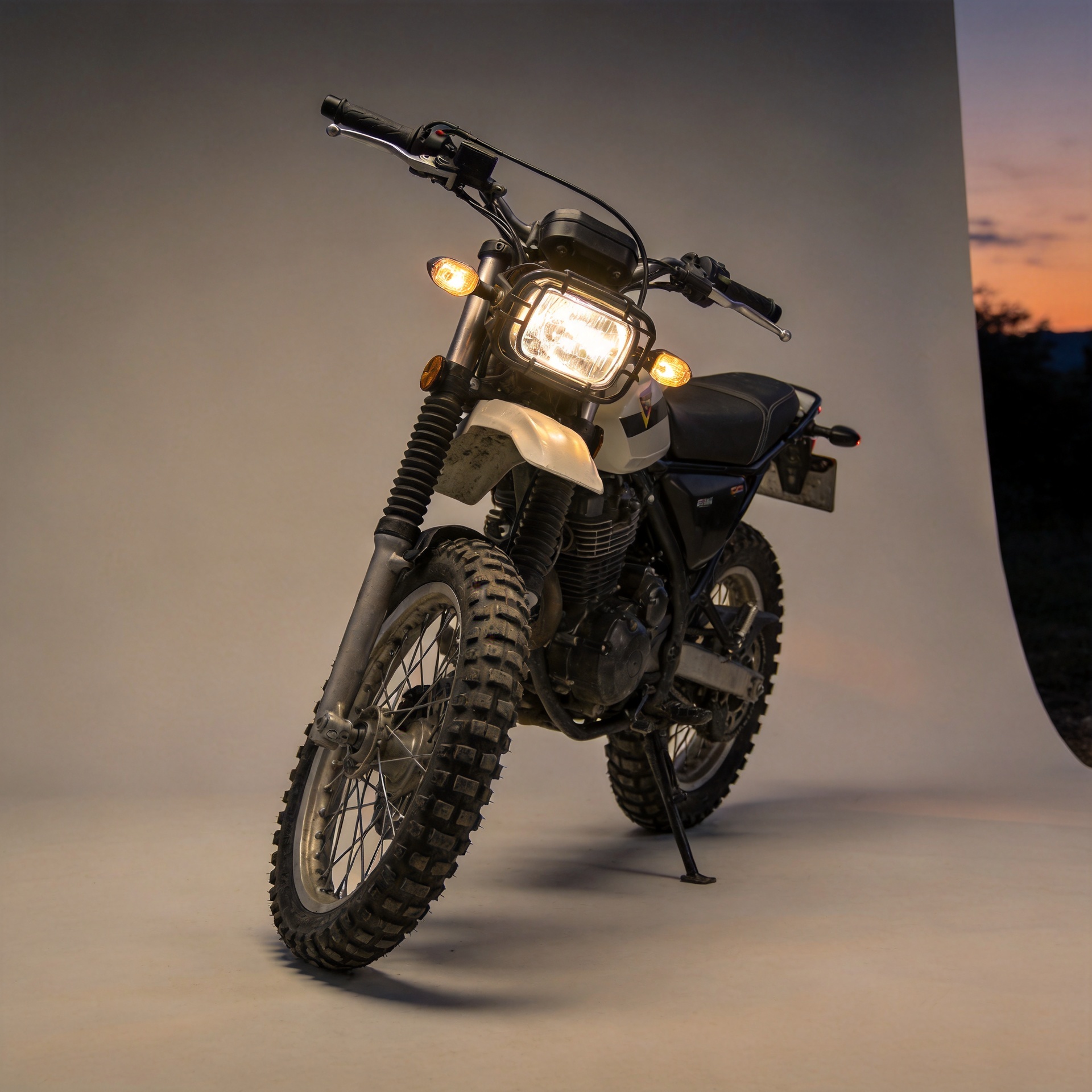
The assigned search term, motorcycle led lights, is broader than this BMW car-lighting purchase task. The useful lesson still transfers: LED lighting must be checked as a vehicle system, not judged by appearance or an isolated brightness claim. For BMW DRL sourcing, the buying decision should begin with vehicle identification and end with a functional installation check.
Start with the Exact BMW Vehicle Configuration
Ask the customer, distributor, or workshop for more than the model name. The purchase file should state the chassis generation, body style, model year or production range, steering side where relevant, and whether the vehicle has a pre-facelift or facelift front end. These details determine the lamp shape, mounting points, lens profile, and sometimes the surrounding hood, fender, and bumper relationship.
For example, the matched catalog item is described for BMW E46 four-door vehicles from 2001–2004. That is a useful starting scope, not a replacement for fitment confirmation. E46 discussions commonly distinguish sedan/touring headlamps from coupe, convertible, and M3 bodywork. A buyer should therefore record “E46 4-door” rather than simply “E46,” then compare front-end photos and the supplier drawing before issuing a purchase order.
- BMW series and chassis code
- Body style: sedan, touring, coupe, convertible, or other variant
- Production date and facelift status
- Left-hand-drive or right-hand-drive requirement
- Front-end photos showing lamp outline, mounting tabs, and grille/bumper relationship
Confirm the Original Headlamp and DRL Architecture
Daytime running lights may be integrated into a complete headlamp, an angel-eye style ring, a dedicated light guide, or a vehicle-controlled function using another lamp source. Before comparing quotations, verify what is fitted to the vehicle today. A replacement assembly cannot be evaluated only by its external lens shape.
Buyers should confirm whether the original lamp is halogen or xenon, whether a projector is present, and which functions are built into the assembly: low beam, high beam, position light, DRL, turn signal, leveling hardware, and any adaptive features. A lamp that looks correct may not reproduce the required functions without different wiring, modules, coding, or additional components. Treat any “plug-and-play” statement as a point to validate against the actual car, not as a universal guarantee.
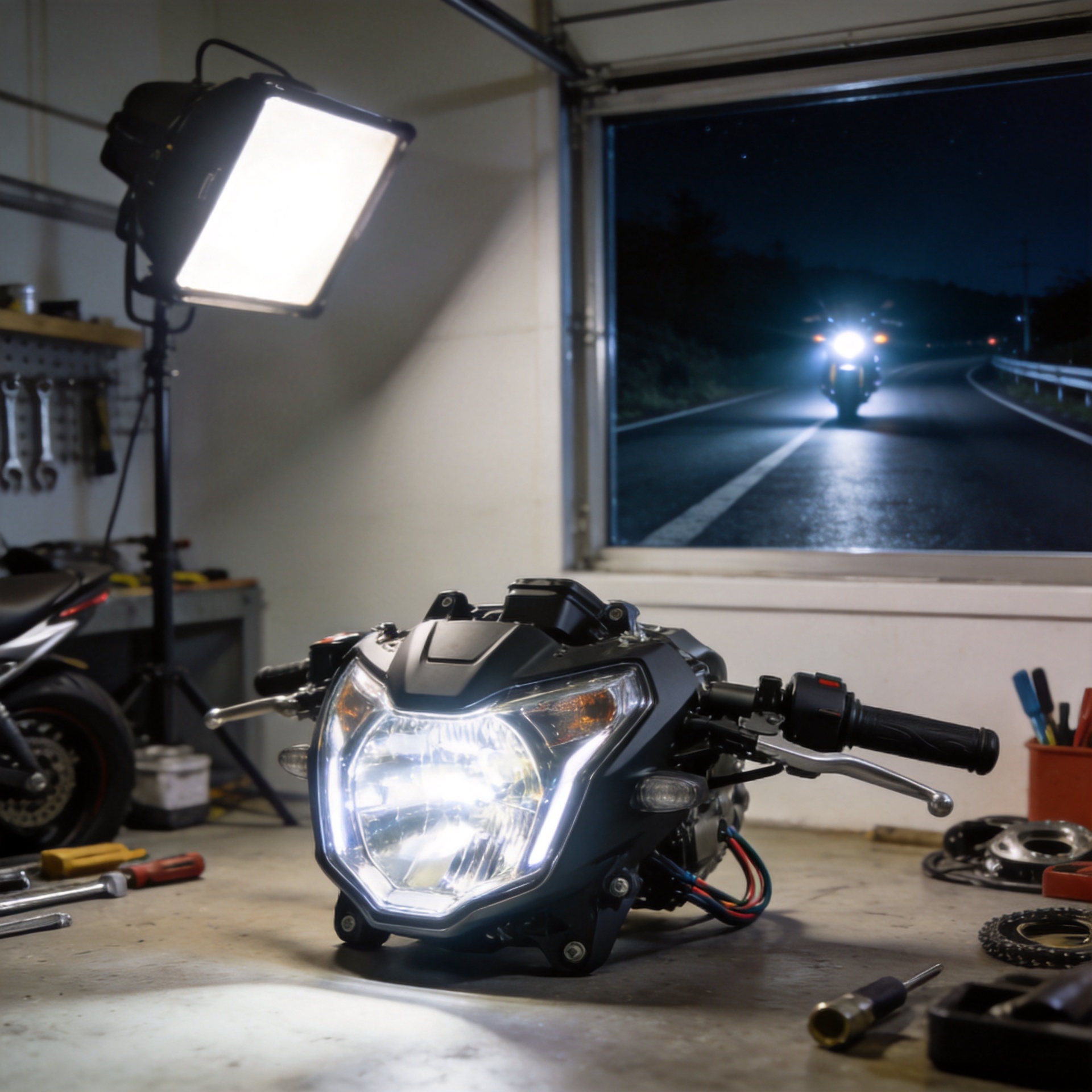
This is also where motorbike led lights sourcing habits can mislead buyers: an auxiliary lamp may be evaluated as a stand-alone unit, while a BMW DRL assembly must cooperate with the vehicle’s existing electrical and control system. Request a function map and a clear list of excluded functions.
Match Connectors, Wiring, and Control Expectations
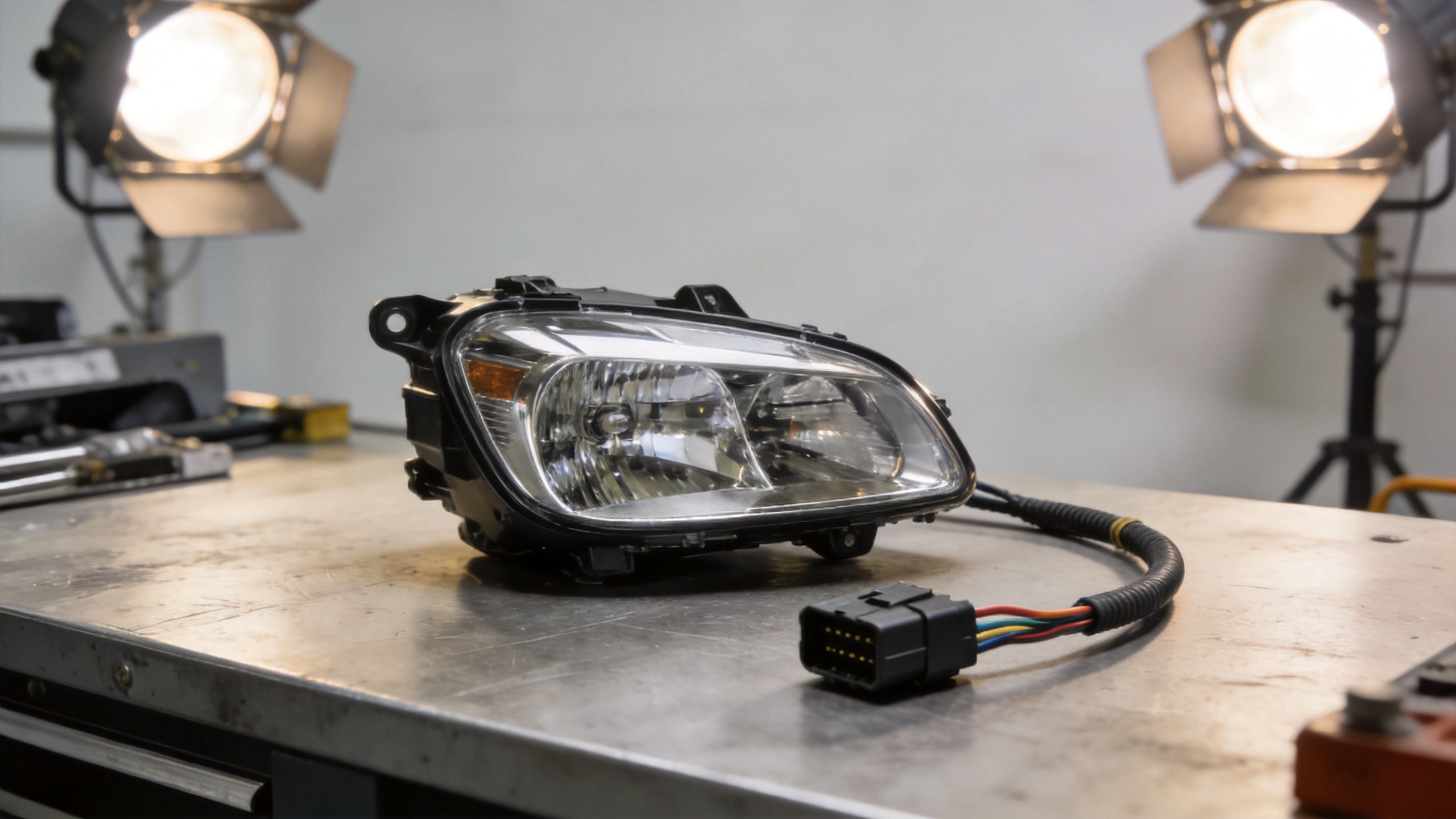
Connector verification should be visual and documented. Request high-resolution photos of the original vehicle-side plug, the proposed lamp-side plug, rear covers, ballast or driver interfaces, and the pin layout where available. Do not rely on a supplier’s general connector photo from another production run.
For each sample, check whether the DRL illuminates with the intended ignition or vehicle-lighting condition, whether the turn signal operates correctly, and whether low/high beam functions behave as expected. If the vehicle reports a warning, flicker, hyperflash, or a missing-lamp error, stop and identify whether the issue is caused by configuration, coding, driver compatibility, resistance/load handling, or an incorrect assembly. The correct response is not to hide the symptom with an unverified workaround.
- Collect vehicle-side connector and rear-lamp photographs before quotation approval.
- Compare plug shape, pin count, keying, wire position, and auxiliary-driver connections.
- Confirm whether the original system is halogen or xenon and whether modules are reused.
- Install one sample on the target vehicle and test every listed function.
- Document any coding, harness, resistor, or mounting adaptation required for repeat installation.
Check Physical Fit Before You Judge the Light Output
Procurement teams sometimes focus first on the DRL appearance. In practice, mounting tabs, adjustment screws, rear-cover clearance, and panel gaps decide whether a lamp can be installed consistently. Compare the sample against the OE lamp at all mounting points. Check that the housing clears nearby components, seals correctly, and can be adjusted after installation.
A useful purchasing principle is that a product listing may be compatible with a named vehicle but still need adaptation for a particular trim, original lamp type, or regional version. This is especially important when a vehicle has previously been repaired, converted, or fitted with non-original parts. Mark the evidence level in your item master: photo-confirmed, sample-verified, or pending vehicle test. That small discipline helps sales teams avoid overstating fitment.
Use a Pre-Purchase Acceptance Checklist for BMW DRL Orders
| Check | Evidence to Collect | Buyer Decision |
|---|---|---|
| Vehicle identity | VIN-derived configuration where available, model year, body style, front photos | Approve only for the documented configuration |
| Lamp configuration | Halogen/xenon type, projector status, function map | Confirm included and excluded functions |
| Electrical interface | Connector photos, pin information, driver/module requirement | Flag coding or harness needs before bulk order |
| Mechanical fit | Mounting-tab comparison, panel-gap photos, adjustment test | Release only after sample installation |
| DRL operation | Video of ignition-on behavior and turn-signal interaction | Verify target-market operation requirements |
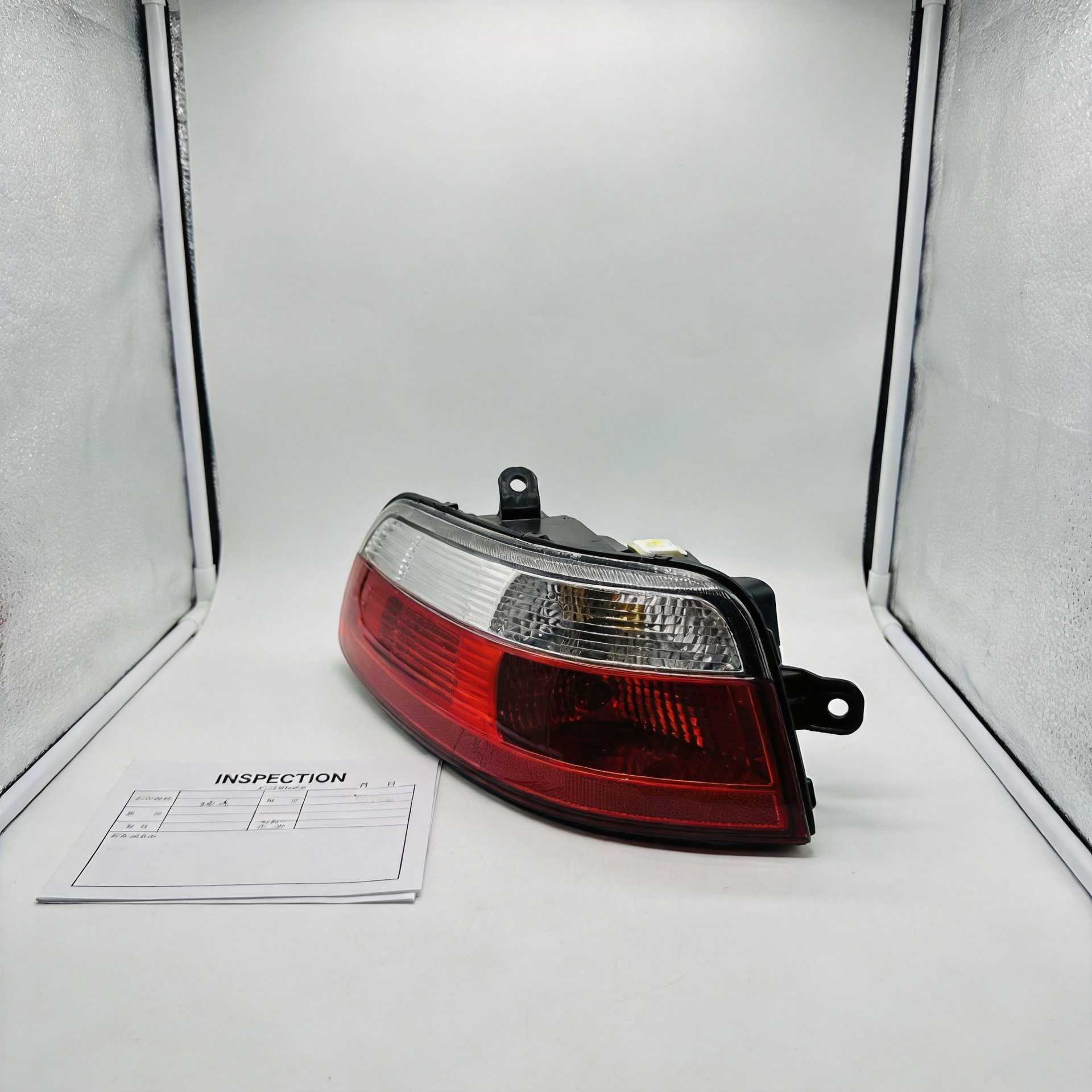
| Batch consistency | Approved sample record, packaging label, inspection points | Use the sample as the incoming-inspection reference |
Evaluate the Supplier Item as a Documented Fitment Offer
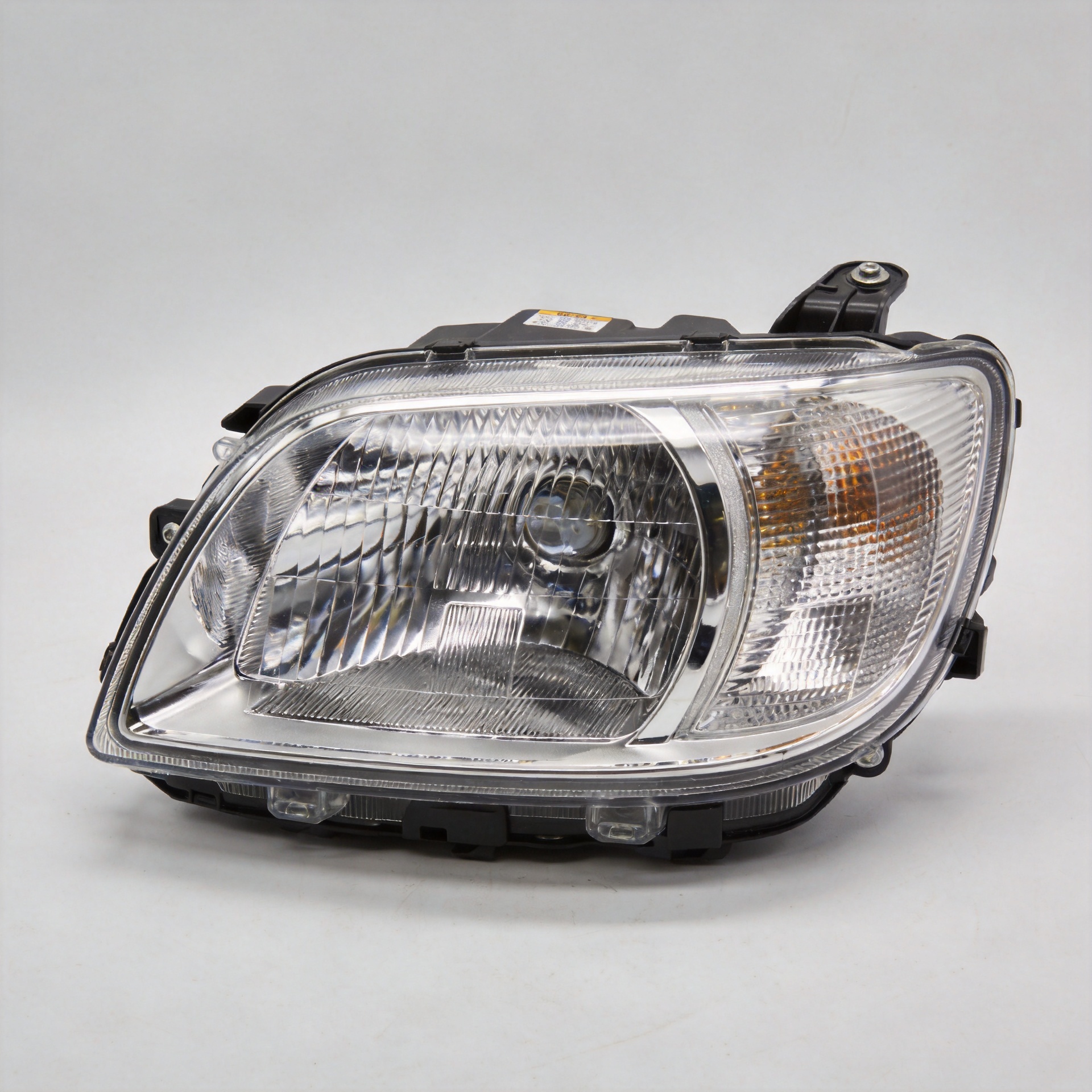
When the vehicle profile matches the verified scope, buyers can review the BMW E46 four-door DRL and turn-signal headlamp assembly as a catalog candidate. Its catalog title identifies an E46 four-door 2001–2004 application and DRL/turn-signal functions. The title alone does not confirm installation on every E46 derivative, guarantee regional legality, or establish a particular connector/coding outcome.
For wholesale or OEM-style purchasing, ask the supplier to align the quotation, sample label, product photo set, and final specification sheet to the same fitment statement. If the batch changes in lens color, plug layout, internal driver, or mounting geometry, the buyer should treat it as a new validation event. This protects both the distributor and the end installer.
Final Buying Rule: Verify Before You Scale
The safest BMW DRL purchase decision is evidence-based: exact vehicle configuration, original lamp architecture, connector proof, physical sample fit, functional DRL test, and documented batch reference. Motorcycle led lights and motorbike led lights may be useful category terms for general LED-lighting research, but BMW DRL aftermarket sourcing requires a vehicle-specific checklist.
Use the first installed sample to build a repeatable fitment record. Once the record is complete, a purchasing team can source with more confidence, explain limits honestly to customers, and reduce avoidable returns after the order ships.
How to Keep the Search-Term Scope Accurate
Some buyers arrive through searches for motorcycle led lights, yet their actual requirement is a BMW DRL assembly. In that case, motorcycle led lights should be treated as a research-category term, not as a vehicle-fitment label. A catalog for motorcycle led lights may help a buyer compare general LED construction, but it cannot establish BMW headlamp compatibility.
Use the same discipline when reviewing motorbike led lights. Listings for motorbike led lights often describe stand-alone auxiliary products, while an integrated BMW DRL assembly must match a car’s bodywork and electrical system. Therefore, motorcycle led lights and motorbike led lights cannot substitute for the chassis, body style, original lamp type, and connector evidence in the fitment record.
Buyer FAQ: Is a general LED-lighting keyword enough for a BMW DRL order?
No. Motorcycle led lights is useful only as a broad discovery phrase. For a BMW order, the purchasing specification must be vehicle-specific. The same applies to motorbike led lights: it may describe a retail category, but it does not prove that a BMW lamp will mount, connect, or function correctly.
Buyer FAQ: What should a sales team say when a customer asks for motorcycle led lights?
First determine whether the request really concerns motorcycle led lights, motorbike led lights, or an automotive headlamp assembly. If it is a BMW DRL inquiry, request the vehicle details before offering a part number. This avoids classifying a car-lighting order as motorcycle led lights simply because a search term was used.
Buyer FAQ: Can one supplier checklist support both categories?
Yes. The verification mindset for motorcycle led lights and motorbike led lights can help with mounting, connectors, electrical load, sealing, and operating conditions. BMW DRL purchasing adds body-panel geometry, headlamp-system configuration, and vehicle-control validation, so it still needs its own fitment record.