 EN
EN
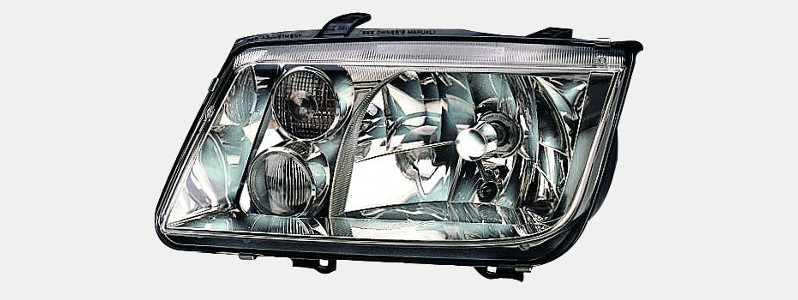
The automotive manufacturing industry is so much regulated, where all the parts must be of strict specifications to ensure safety, performance and compliance. In the example of headlight covers traditionally known as lenses, the maximum optical priority implies that there is no chance of bargaining as far as their transmission requirements in the OEM supply channel is concerned. These are standards that regulate the quantity of visible light passing through the material that directly influences the quality of headlamps, quality of beam pattern, and overall safety certification of the automobile. One of the fundamental requirements to the manufacturers and suppliers is learning and knowing how to comply these standards.
The Standard of the minimum achievable Visible Light Transmission (VLT).
The highest level is Minimum Visible Light Transmission percentage (VLT) percentage. This is a ratio of the visible light (in most cases in the kit of 380-780 nm wavelength range) which is conveyed through the cover material, devoid of any systematic color addition to render signal functions.
Common OEM Requirement: The minimum VLT requirement is generally 90 per cent and more when it comes to clear headlight covers (ie. clear headlight covers are over low/high beam modules). This maximum limit dictates that the brightness of the lighting assembly is not unnecessarily absorbed by the cover itself, and propagates the luminous intensity it puts into the reflector or projector assembly.
Compliance Checking: This is verified through the assistance of a spectrophotometer operating under a controlled laboratory. Suppliers will be asked to provide certifiable test reports that prove conformity of batches that in most cases is via the Production Part Approval Process (PPAP).
Optical Criterion of Transparency and Form.
The cleanness of the light thus being transmitted is of primary concern in addition to the amount of uncontaminated transmission. Standards are concerned with transparency so that beams are not scattered and bent.
Haze and Luminous Transmittance (ASTM D1003): This is a vital test method by which the percentage of incident light but not passing through the incident beam is determined over a given angle (haze). The value of the hazy should not be more than 1-2% in the case with headlight covers. The haze also makes approaching traffic to have a glare and renders the delineation between the patterns of the low beams not sharp enough.
Liberty of Visual Flaws: Visual flaws are metered using haze but also manipulated in the visual inspection in the controlled light conditions. All the imperfections including bubbles, inclusions, flow lines or abnormalities on the surface, which can cause optical distortion, are thrown away. It is usually controlled by the master requirements of OEM specific samples.
Durability of Finish: UV Stability and Weathering.
The transmission properties of an optic should not be lost throughout the life cycle of the vehicle. The standards therefore inclusively include rapid aging tests.
Weathering Standards (SAE J2527, ISO 16474): Covers are simulated Years of sunlight, heat, rain in xenon-arc or QUV weathering test chambers. The test should also make the matter retain its VLT (e.g. >90% retainage) and be changed very little in terms of its yellowness index.
Yellowing Index (ASTM E313/ D1925): The tool is applied to trace the capacity of the material to become yellow when it is exposed to UV-light. High and steady yellowness index is highly significant since the yellowing is a filter, the short wavelength light (blue) is being blocked selectively and becomes less noticeable and capable of altering the correlated color temperature of the beam.
Coating Standard Material.
The polymers and coatings are also to satisfy material standards on the foundation of optical performance.
Polycarbonate Material Standards (e.g., ISO 20028): The basic values of the transmission, refractive index, and thermal stability are written in the specifications of optical-grade polycarbonate resin.
Abrasion Resistance (Taber Abrasion, ASTM D1044): Hard coating which is applied on polycarbonate is also tested through scratching resistance. The amount of abrasion cycles that can be completed is limited by the number of abrasion cycles that can be allowed before the haze attains a certain value. A scratched surface will forever increase the haze and the light transmission will be losing its power.
Local Respect of the laws.
OEM specifications usually lean towards being stricter in nature and also comply with regional vehicle certification expectations that are bigger.
ECE (Europe) and FMVSS (USA) Regulations: These are regulations that set standards of performance of the complete headlamp assembly. They never indicate their independent VLT number of the cover but final photometric performance of the assembly should match. This makes the high transmission and clearness of the cover to be a condition of the assembly to pass the compliance test. It is caused by deviation and leads to inability of the assembly to pass a glare and light distribution test that is required.
Optical transmission standards are not on a shelf out in the world to an OEM supplier, but the language of good and safe technical lingo. They design a complex design which would ensure that the headlight cover is non-plastic shield, but an optical element, a precision part. The ability to meet these requirements as reflected by strict testing in the interim and certified documentation is what makes the difference between a compliant Tier-1 supplier and a parts vendor. It also assures that the finished headlamp will give the required visibility, remain under the regulations throughout the vehicle lifetime life and the integrity of the brand used in automotive sector in regard to safety.