 EN
EN
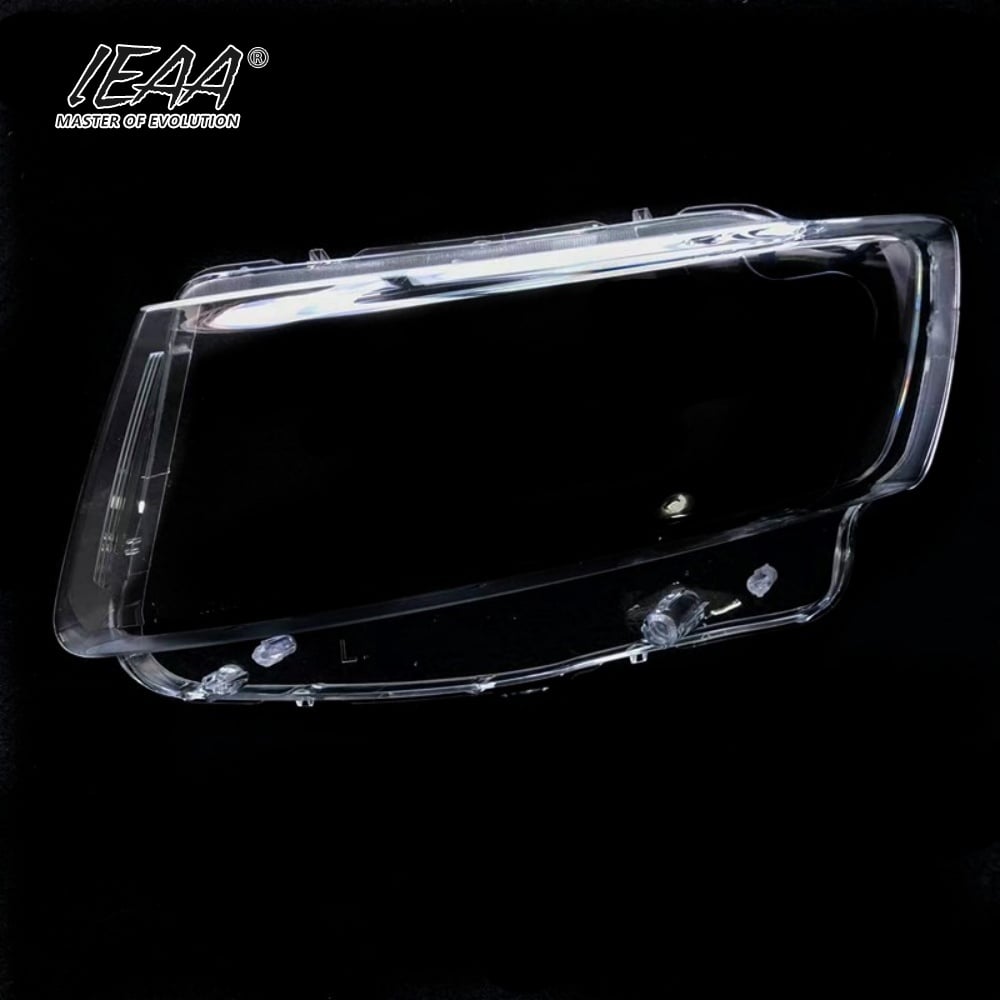
The prospects of entering the global export markets are immense to the automotive lighting suppliers but they also come with the complicated scenario of global regulations and standards. The headlight cover (or lens) which is the most important optical interface should meet certain technical requirements in order to be sold and used in various territories legally. To manufacturers and exporters, it is not a choice to know and conform to these standards - it is the pillar and keystone of market access, product safety and brand trust.
Regional Regulatory Frameworks: The Keystone to Compliance.
There are three major rules of automotive lighting in the world with three different philosophies and test guidelines. The compliance of the assembly to these rules is part of the headlight cover.
ECE (Economic Commission for Europe) Regulations: These are mostly applicable in Europe, most of Asia and of course in most other parts of the world. The ECE standards, including ECE R48 and the lamp regulations (e.g. ECE R112 on driving lamps) are type-approval based. They are the specification of exact photometric requirements of the whole headlamp assembly that directly determines optical characteristics of the cover. The lens should not add any scattering or distortion to bring the beam pattern out of the required regions in terms of intensity and cut off sharpness.
FMVSS / SAE (Federal Motor Vehicle Safety Standards / Society of Automotive Engineers): The system applied in the United States and Canada. The general standard is FMVSS 108. It pays less attention to performance minima, and has other test points and beam pattern requirements, unlike the system approach of ECE. A cover developed to meet an ECE market might not meet an FMVSS market, and the reverse, because of the variation in glare limit and beam spread.
Other National Standards: Large markets such as China (GB standards), Japan (JIS/TRIAS) among other use their homologation systems which frequently combine or adapt ECE and FMVSS concepts. Export to these local standards involves direct certification or demonstrated conformance to these standards.
Essential Optical Performance Requirements.
In such systems, the head light cover is inspected concerning a number of general optical parameters that provide safety and performance.
Light Transmittance (Visible Light Transmission - VLT): This is the lowest specification. The majority of regulations impose a minimum light transmittance on the transparent cover material, which is normally 90% or above. This will make sure that the output of the lamp is not needlessly dimmed. This is determined on a spectrophotometer at the visible spectrum (400-700 nm).
Optical Distortion and Deviation: The cover is not to result in serious optical deviation of the beam. The photometric testing of the entire headlamp is done on a goniophotometer. The beam pattern resulting is compared with the grid on the regulation to ensure that there are intensity maxima and minima. Any scattering caused by the lens or prismatic error, or any hot spots that can bend the pattern may result in non-compliance.
Haze and Clarity: Haze (scattering of light) on either side of the material or surface defects is a quality requirement that is critical although is not always a separate regulation. Typically, high haze diminishes contrast and elevates glare on traffic that is ahead and can even result in a headlamp failing photometric testing. Haze can be measured by standard test procedures such as ASTM D1003 (not usually more than 1-2% to be used in high-end applications).
Requirements of Durability and Stability.
Standards also provide the cover with its optical properties during the service life under environmental stress.
Weathering and UV Resistance (e.g., SAE J2527, ISO 16474): Accelerated weathering testing is used to test years of sun exposure. After the test, the lens should still have its light transmittance (e.g., greater than 95% of light retained), and should have little improvement in the haze or yellowing index. One failure is permanent yellowing or clouding.
Abrasion Resistance (e.g., Taber Abrasion per ASTM D1044): Coated polycarbonate lenses are subjected to haze increase after some specified number of abrasion cycles to determine their resistance to road sand and cleaning. This makes the hard coat to have surface clarity.
Material and Safety Standards.
The export markets have wider material and safety provisions which affect the lens.
ECE R43 / ANSI Z26.1: These are standards that are particularly on safety glazing materials. Although commonly related to windshields, the principles are applied to headlight lenses, in which a requirement is offered on fracture nature (No sharp splinters), optical quality and withstand to environmental exposure.
Chemical/Environmental Compliance (RoHS, REACH): It is not an optical standard, but worldwide export must be in compliance with restrictions on hazardous substances (such as some heavy metals or phthalates) in the plastic substrate and coatings.
To an exporter, the headlight cover is a certified part and not a commodity. Its design, choice of material and the production process should be intentional aligned with the optical and long-life parameters of the target market. This demands an active stance, early interaction with testing labs, knowledge of the differences between ECE and FMVSS beam shapes and strict in-house quality control which reflect certification testing. The internalization of these standards turns a supplier into a manufacturer of parts to be a reliable international partner that can implement lighting systems that are non-compliant, unsafe, and ineffective, on any continent worldwide.