 EN
EN

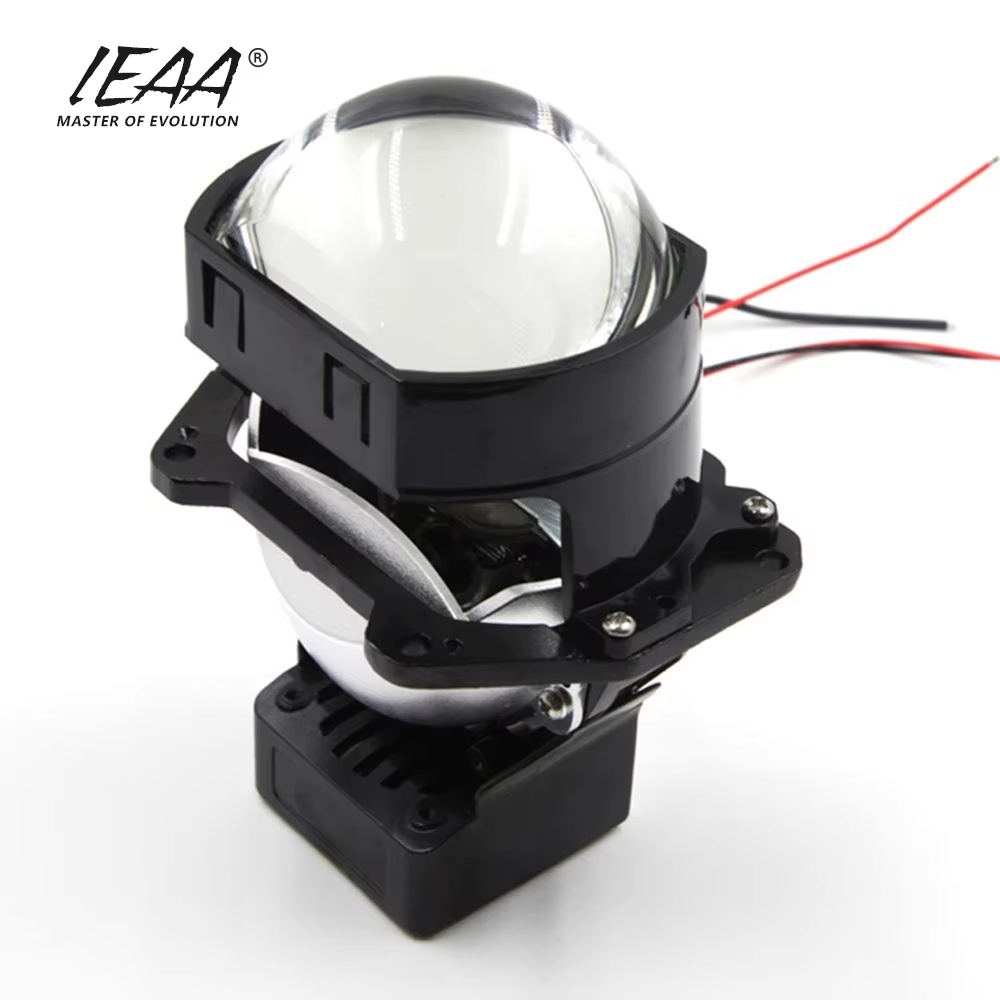
Modern automotive lighting systems are designed not only to illuminate the road but also to ensure safety, efficiency, and regulatory compliance. Among all the components in a headlight assembly, the headlight lens plays a crucial role in shaping and distributing light evenly across the driving field. Achieving uniform light distribution is essential for improving nighttime visibility while minimizing glare to other road users.
The Importance of Uniform Light Distribution in Automotive Lighting
Uniform light distribution ensures that a vehicle’s headlights illuminate the road evenly without creating bright hotspots or dark zones. A properly engineered lens helps drivers see obstacles, pedestrians, and road signs more clearly.
Achieving this requires sophisticated engineering involving optical design, advanced materials, environmental protection, and precision manufacturing.
Headlight lenses must carefully control how light is refracted and distributed while maintaining durability under harsh environmental conditions. By combining optical simulation, high-quality materials, and rigorous testing, we can ensure that lighting systems deliver consistent performance and improved road safety.
Several safety factors depend on uniform light distribution:
Improved Visibility Distance
A well-designed lens spreads light evenly across the road surface, allowing drivers to detect hazards earlier and react faster.
Reduced Glare for Oncoming Traffic
Headlight systems must control light direction to prevent excessive brightness that could temporarily blind other drivers.
Compliance with International Standards
Lighting systems must meet strict regulations such as ECE standards in Europe and SAE standards in North America, which specify precise beam patterns and brightness limits.
Without a properly engineered lens, even the most powerful LED light source cannot produce a safe and compliant beam pattern.
Optical Engineering Behind Headlight Lens Design
Automotive headlight lenses are far more advanced than simple transparent covers. They are complex optical components designed to shape and control light output.
Many modern lenses incorporate micro-structured surfaces that manipulate light rays. These tiny optical elements can:
l Redirect light beams
l Diffuse light evenly
l Reduce hotspots
l Improve beam uniformity
By carefully controlling the geometry of these microstructures, engineers can ensure the light spreads across the road in a controlled pattern.
Headlight lenses rely heavily on refraction, the bending of light as it passes through transparent materials. Engineers design the curvature and thickness of the lens to precisely guide the direction of light emitted from the LED or bulb.
Key design factors include:
Lens curvature
Refractive index of the material
Distance between the light source and the lens
Internal reflective surfaces
Together, these elements help produce the low beam cutoff line, which is required by international safety regulations.
Protective Coatings for Durability
Headlight lenses are typically coated with specialized protective layers that provide:
UV resistance to prevent yellowing
Scratch resistance from debris and road particles
Chemical resistance against environmental contaminants
These coatings must adhere strongly to the polycarbonate surface. During durability testing, lenses are exposed to humidity and temperature cycling to ensure the coatings do not peel or degrade over time.
Moisture control is another critical factor in maintaining uniform light distribution. Even small amounts of condensation inside the headlamp assembly can scatter light and distort the beam pattern.
Condensation may:
l Diffuse the light beam
l Reduce effective brightness
l Cause glare for other drivers
In severe cases, water intrusion can damage internal electronics such as LED drivers and adaptive lighting modules.
To prevent these problems, our implement several solutions:
l Precision sealing between the lens and housing
l Waterproof ventilation systems
l Environmental testing such as humidity cycling and water spray tests
These measures help ensure consistent optical performance
Environmental Durability Testing
In addition to optical validation, headlight lenses undergo environmental tests to ensure reliability under real-world conditions.
Common tests include:
l Temperature and humidity cycling
l Water immersion testing
l High-pressure water spray testing
l UV aging tests
These procedures simulate years of environmental exposure and confirm that the lens maintains optical clarity and structural integrity.
Manufacturing Precision and Quality Control
Producing high-quality headlight lenses requires extremely precise manufacturing processes.
Key production technologies include:
Injection Molding
High-precision molds create the complex optical surfaces required for beam shaping.
Surface Coating Technology
Automated coating systems apply uniform protective layers to enhance durability.
Optical Inspection Systems
Quality control equipment measures light transmission, surface accuracy, and optical performance to ensure each lens meets strict standards.
Manufacturing precision directly influences how effectively the lens can distribute light evenly.
Danyang Yeya Opto-Electronic Company specializes in the development and production of high-quality automotive lighting components, including advanced headlight lenses and LED lighting systems.
Our integrates modern engineering techniques with strict quality control to ensure consistent optical performance. Its manufacturing capabilities include:
l High-precision injection molding
l Advanced lens coating technology
l Comprehensive environmental testing
l OEM and ODM customization services
Products are tested under demanding conditions such as temperature-humidity cycling, water immersion tests, and high-pressure spray testing to ensure long-term durability and reliability.
Through continuous innovation and strict quality management, provides lighting solutions that meet the expectations of global automotive manufacturers and aftermarket clients.
Table of Contents
- The Importance of Uniform Light Distribution in Automotive Lighting
- Several safety factors depend on uniform light distribution:
- Many modern lenses incorporate micro-structured surfaces that manipulate light rays. These tiny optical elements can:
- Key design factors include:
- To prevent these problems, our implement several solutions: