 EN
EN

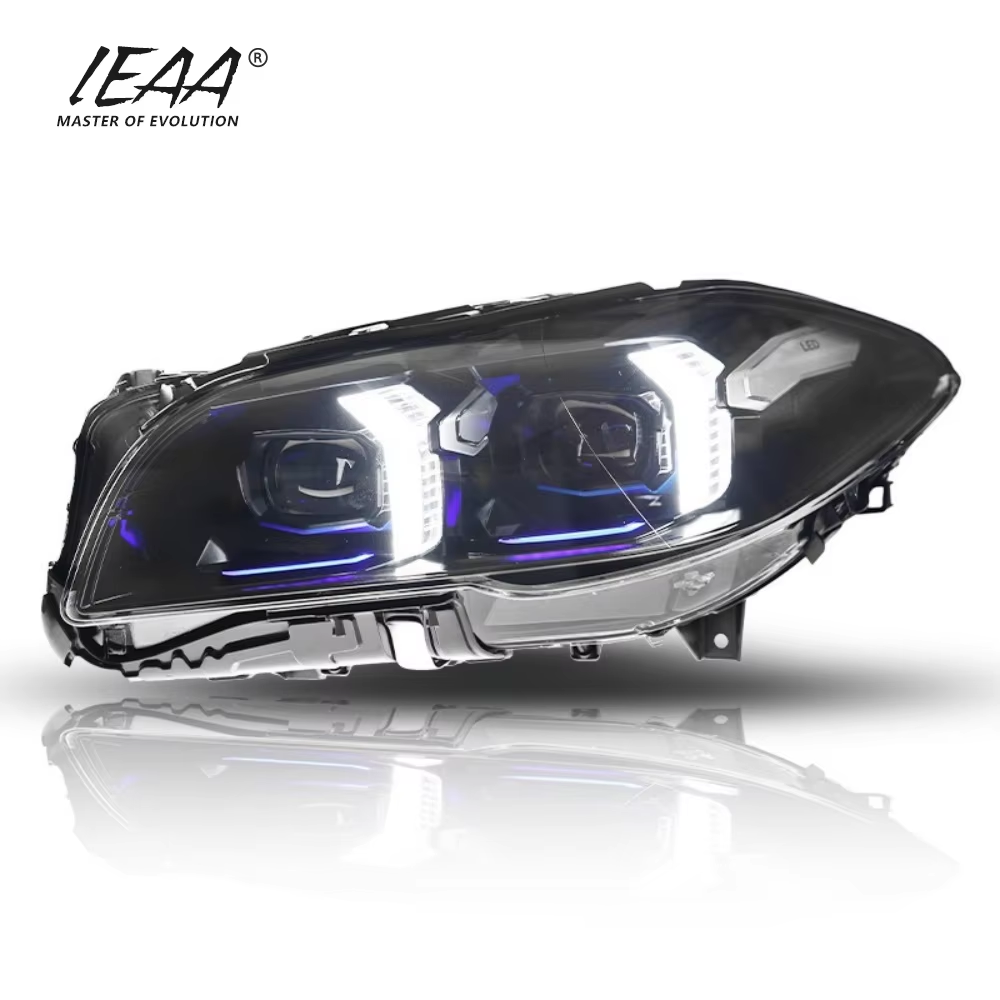
The rapid evolution of automotive lighting technology has significantly improved vehicle safety, energy efficiency, and driving comfort. Modern vehicles increasingly rely on LED headlights and adaptive lighting systems, which provide more precise illumination compared to traditional halogen or HID lights.
At the core of these advanced systems is the automotive headlight lens, a critical optical component responsible for shaping, directing, and stabilizing the light output. Without properly engineered lenses, even the most advanced lighting technologies cannot deliver accurate beam patterns or meet global safety standards.
The Role of Headlight Lenses in Modern Lighting Systems
In traditional lighting systems, lenses primarily served as protective covers. However, in modern LED and adaptive headlight systems, the lens functions as an active optical element.
It helps to:
l Shape and control the light beam
l Maintain uniform light distribution
l Reduce glare for oncoming drivers
l Protect internal lighting components from environmental exposure
Because LED light sources produce highly concentrated beams, lenses must carefully manage how the light spreads across the road surface.
Supporting the Performance of LED Headlights
LED lighting has become the dominant technology in modern automotive headlights due to its high efficiency, compact size, and long service life. However, LEDs produce light in a concentrated pattern that must be carefully managed through optical design.
Precision Beam Control
Headlight lenses help distribute the intense light generated by LEDs into a controlled beam pattern suitable for road illumination. Through carefully designed curvature and micro-optical structures, lenses guide light toward the correct areas of the road.
This ensures that drivers receive adequate visibility without producing excessive glare for other vehicles.
Improved Energy Efficiency
Because LEDs consume less energy than traditional bulbs, they are often used in systems designed for high efficiency. Proper lens design helps maximize light utilization, ensuring that more of the emitted light contributes to useful road illumination.
This improves overall lighting efficiency and helps automotive manufacturers meet energy-saving targets.
Enabling Adaptive Lighting Technology
Adaptive lighting systems represent one of the most advanced developments in automotive lighting. These systems automatically adjust the headlight beam in response to driving conditions, vehicle speed, steering angle, and surrounding traffic.
Headlight lenses play a crucial role in enabling these dynamic lighting functions.
Dynamic Beam Shaping
Adaptive headlights often rely on multiple LED modules that can be individually controlled. The lens system must work with these modules to create flexible beam patterns that can adapt to different driving environments.
For example, adaptive systems can:
l Adjust the beam direction when the vehicle turns
l Expand illumination at higher speeds
l Reduce glare when detecting oncoming vehicles
The lens must maintain optical precision while accommodating these constantly changing light patterns.
Danyang Yeya Opto-Electronic Company works with global partners to develop automotive lighting components suitable for modern LED and adaptive headlight technologies.
We supports product development and manufacturing through:
l Collaborative design support for lighting components
l Stable production of precision plastic and optical parts
l Strict quality inspection procedures
l OEM and ODM cooperation for international markets
By combining engineering experience with efficient manufacturing processes, we provides lighting components designed to meet the performance and reliability expectations of modern automotive applications.
Future Trends in Automotive LED and Adaptive Lighting Technology
As vehicle technology continues to advance, automotive lighting systems are becoming increasingly intelligent and integrated with other vehicle systems. LED and adaptive lighting technologies are expected to play an even larger role in improving driving safety and energy efficiency in the coming years.
One major trend is the development of matrix LED headlights, which use multiple individually controlled LED segments to dynamically adjust the light distribution. These systems can precisely illuminate specific areas of the road while automatically reducing brightness in zones where other vehicles are detected. Headlight lenses must be designed to support these complex lighting patterns while maintaining consistent optical clarity.
Another emerging technology is digital lighting systems, such as pixel-based or micro-LED headlights. These advanced systems can project highly detailed light patterns onto the road surface, improving driver communication and road safety. To support these technologies, headlight lenses require even greater optical precision and surface quality.
In addition,We are increasingly focusing on energy efficiency and sustainability. Advanced lens designs help maximize the usable light output of LED modules, reducing energy consumption while maintaining excellent road visibility.
As these technologies continue to evolve, the role of precision optical components will become even more critical. High-quality headlight lenses will remain essential for enabling the next generation of intelligent automotive lighting systems.
Automotive headlight lenses are no longer simple protective components—they have become essential optical elements that enable the performance of modern LED and adaptive lighting systems. Through precise optical design, advanced materials, and high-accuracy manufacturing processes, these lenses help ensure stable beam patterns, improved road visibility, and reduced glare for safer nighttime driving.
As lighting technologies such as matrix LEDs and intelligent adaptive systems continue to develop, the demand for high-performance optical components will only increase. Carefully engineered headlight lenses will remain a key factor in delivering consistent illumination quality and supporting the next generation of automotive lighting innovation.