 EN
EN

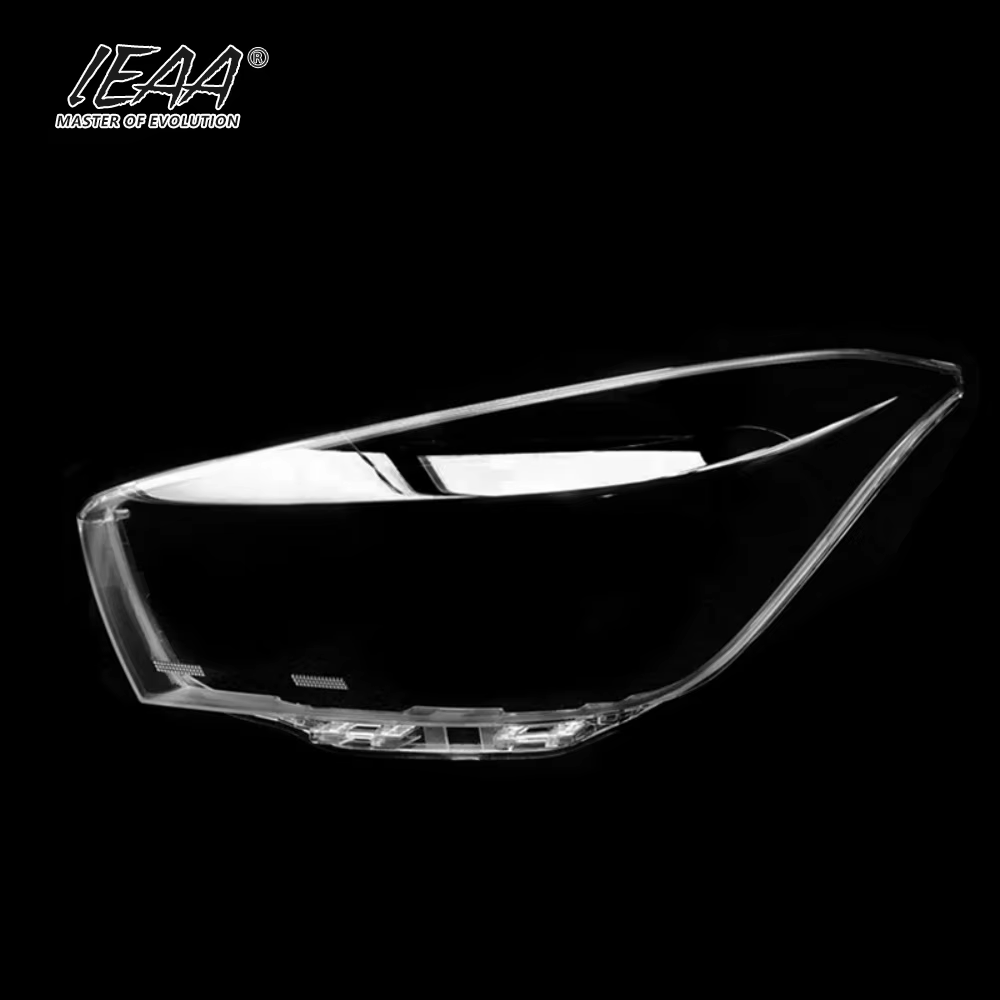
Kapsam, otomotiv far lenslerini satın alan satın alma ekipleri bağlamında, kritik "cam" arayüzüne, yani poliklorlanmış polikarbonat olarak tasarlanan bu bileşene ilişkin olup yalnızca kalite ve birim fiyatla sınırlı kalmamalıdır. Gerçek değer, uzun vadeli performansla belirlenir; bu da araç güvenliği, marka adı ve yaşam döngüsü maliyeti üzerinde doğrudan etkiye sahiptir. Sağlam, yüksek performanslı bileşenleri benimseyen tedarikçileri değerlendirmek için bu tür uzun vadeli ölçütleri kullanma ihtiyacı oldukça büyüktür. Kritik uzun vadeli performans ölçütleri aşağıda sıralanmış olup satın alma kararlarının rehberi olarak kullanılmalıdır.
Işık Hasarı Direnci ve Işık Geçirgenliğinin Korunması.
Lensin amacı, aracın tüm kullanım ömrü boyunca ışığı doğru yönde ve etkili bir şekilde yansıtmasıdır.
Parlaklık Korunumu ile şeffaflık: En önemli optik ölçüm. Hızlandırılmış hava koşullarına dayanıklılık testleri (örn. SAE J2527, ISO 16474) verileri, malzemenin ve kaplama sisteminin belirtilen standartlarda belirtilen süre boyunca UV ve termal etkiye maruz kaldıktan sonra yüzeye gelen ışığın son derece yüksek bir oranını koruduğunu (örneğin %95’ten fazla korunum) gösterir. Başarısızlık, geçişin kabul edilemez seviyelere düşmesine neden olan kalıcı sararma veya bulanıklık oluşumuyla ortaya çıkar (bu değer yaşlanma sonrası %80–85’e kadar düşebilir).
Sararma Endeksi (YI) Kararlılığı: Bu parametre, ASTM E313/D1925 tarafından tanımlandığı şekilde belirlenmiştir ve renk değişimi ölçümü için kullanılır. YI’nin düşük zamana bağlı kararlılığı, alt tabakanın UV stabilizatörlerinin etkinliğini ve sert kaplamanın UV engelleme yeteneğini doğrular; böylece lens, amber filtre gibi davranmaz.
Yüzeyler ve Kaplamaların Dayanıklılığı ile Yüzey Bütünlüğü.
Sert kaplama, lensin korumasıdır. Uzun vadeli bütünlük, çizilmeye dayanıklılığı ve netliği belirler.
Aşınmaya Dayanıklılık Ömrü: Taber Aşınma testi sonuçları (ASTM D1044), yalnızca başlangıçta bulanıklıkta düşük bir artış göstermekle kalmalı, aynı zamanda kaplamanın termal ve UV yaşlanmasına karşı direnç gösterme yeteneğini de yansıtmalıdır. Zamanla solan ve incelen kaplama, kullanıcı yaşlandıkça kolayca çizilir ve ışığı dağıtır; bu nedenle çok fazla parlaklık oluşur.
Gerilme Özellikleri: Bağlayıcı uygulanan kaplamalar, zaman içinde gerilime dayanabilmelidir. Kaplamanın çatlamaması, soyulmaması veya katmanlar arasında ayrılmaması için testler (örneğin termal çevrim testi (-40 °C ile +90 °C arası, 100’den fazla çevrim), nem donma çevrimi testi vb.) gerçekleştirilir. Yapışma kaybı, görünüş ve işlevsellik açısından ölümcül bir durumdur.
Çevresel Koşullar İçinde Gerilme Direnci (ESCR).
Malzemenin, belirli kimyasal maddelerin atmosferinde yüksek basınca maruz kalması durumunda polikarbonatın kırılmasına neden olduğu malzeme.
Kimyasal Etki Performansı: Lens malzemesi, normal otomobil sıvılarına (benzin, dizel, yağ, fren hidroliği, cam yıkama sıvıları) karşı dayanıklı olacak şekilde tasarlanmalı ve test edilmelidir. Gerilim altındaki numunelere bu etkenlerin uygulanması ve numunelerde çatlak oluşumunun uzun süre boyunca gözlenmesi, uzun vadeli ölçümler olarak kabul edilir.
Uzun Vadeli Hava Koşullarına Dayanıklılık: Nem ile termal değişimlerin yanı sıra güneş yüklemesi ve UV ışınımı, mikro gerilmelere neden olabilir. Ancak malzeme formülasyonu ve tasarımının nihai testi, dış ortamda yıllarca süren hava koşullarına maruz bırakma raf testleri (veya benzeri hızlandırılmış testler) kapsamında gösterilen gerçek performansla sağlanır.
Mekanik Dengesizlik ve Boyutsal Kararlılık.
Lens: Lens, 10 yıl boyunca titreşim ve termal etkiye maruz kalırken şeklini koruyabilmelidir ve sızdırmazlık sağlamalıdır.
Sürünme Direnci ve Gerilme Gevşemesi: Plastik, sabit gerilim altında ve muhafaza bağlantı elemanlarının sabit sıkma kuvvetleri ile conta sıkıştırması altında sürünmemelidir. Bu, conta sızdırmazlık basıncında herhangi bir değişimin olmamasını ve nem girişi önlemini garanti altına almayı amaçlar.
Sıcaklıkla Şekil Değişimi (Warpage): Tolerans Testleri, Termal Döngü Testleri ve Boyutsal Testler önemlidir. Lens, sızdırmazlığı oluşturmasını zorlaştıran, montajını güçleştiren veya estetik açıdan kabul edilemez boşluklar yaratan şekilde kalıcı olarak çarpılmamalıdır.
Tutarlılık / İzlenebilirlik
Partiye göre tutarlılık sağlanmadan uzun vadeli performans elde edilemez.
İstatistiksel Süreç Kontrolü (SPC) Verileri: Bir tedarikçi, kaplama kalınlığı, enjeksiyon kalıplama parametreleri ve kürlenme süreleri gibi kritik parametrelerde kontrol edilmiş ve yeterli süreçler göstermek zorundadır (örneğin Cpk/Cpk > 1,33). Bu bilgi, gelecekteki sürekliliğin bir göstergesidir.
Malzemelerin Tam İzlenebilirliği: Başlangıçta polikarbonat reçinesinin sınıfı veya partisi dahi pazarlık konusu değildir; bunun tam tersine, üst düzeyde sert kaplama kimyasallarına kadar tamamen izlenebilirlik sağlanır. Bu durum, bir ham madde sorunu yıllar sonra ortaya çıktığında seçmeli ürün geri çağırma işlemlerinin gerçekleştirilmesine olanak tanır ve oluşturulan kalite sisteminin bir özelliğidir.
Otomotiv far lensleri satın alımı uzun vadeli bir süreçtir. Önemli olanlar, parçanın performansını 5. yıl, 10. yıl gibi dönemlerde, aşırı sıcak yazlar, dondurucu kışlar ve binlerce yıkama ile darbe koşullarında yansıtanlardır. Satın alma artık yalnızca bir işlem süreci değil; bilgi aktarımının korunması, kaplama dayanıklılığı, gerilme çatlağı direnci ve boyutsal kararlılık konularında odaklanan stratejik bir süreç haline gelmiştir. Bu süreç, tedarikçi seçimiyle birlikte mühendislik özenini ve kalite mekanizmasını da güvence altına alır; böylece yalnızca bir parça değil, aynı zamanda uzun vadeli güvenlik, işlevsellik ve değer vaadini yerine getiren bir ürün sağlanmasını sağlar.