 EN
EN

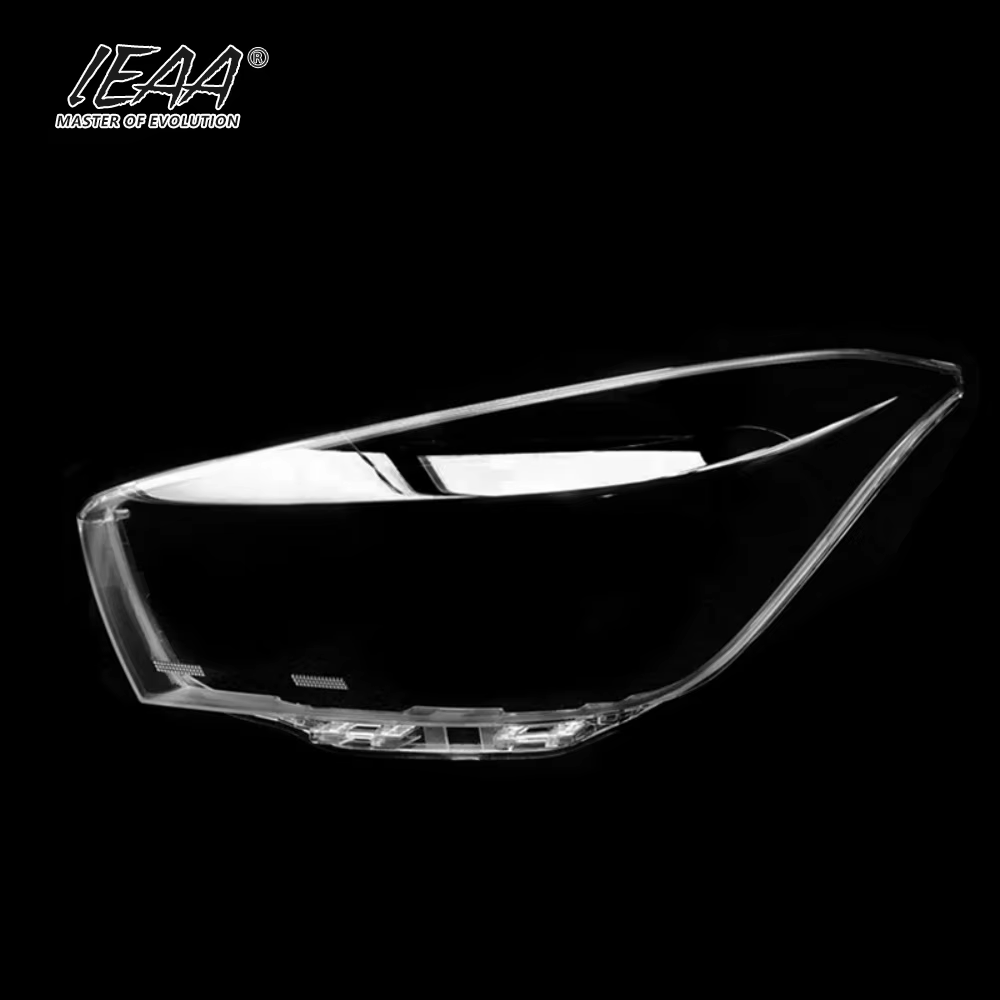
Automotive headlight housings are more than structural components that support the lighting system. They play a critical role in optical performance, durability, thermal stability, and environmental protection. One key factor that determines the quality and reliability of headlight housings is the surface finish standard used during manufacturing.
Surface finish standards are a crucial factor in the performance and reliability of automotive headlight housings. Properly controlled surface roughness helps ensure effective sealing, stable optical performance, and long-term durability under harsh environmental conditions.
By following internationally recognized standards such as Ra surface roughness measurements and SPI mold finish classifications, manufacturers can produce headlight housings that meet the expectations of global automotive markets.
Key Surface Finish Defects That Can Affect Headlight Housing Quality
Even when high-quality materials and advanced molding processes are used, improper manufacturing control can lead to surface defects that negatively impact the performance of automotive headlight housings. Identifying and preventing these defects is essential for maintaining both product reliability and appearance.
Sink Marks
Sink marks are small depressions that appear on the surface of molded plastic components. They typically occur when thicker sections of the housing cool unevenly during injection molding. While they may appear minor, sink marks can weaken structural integrity and reduce the visual quality of the component.
Flow Lines
Flow lines are streak-like patterns that form when molten plastic flows through the mold at different speeds. These patterns may not always affect structural performance, but they can be visible on exterior surfaces and reduce the perceived quality of the product.
Surface Warping
Warping occurs when uneven cooling causes the component to distort slightly from its intended shape. In headlight housings, this can create alignment problems between the housing and the lens, potentially affecting sealing performance and increasing the risk of moisture intrusion.
Surface Contamination or Rough Texture
Dust particles, mold residue, or improper mold polishing can create rough textures or contamination on the housing surface. These defects may interfere with coating adhesion and reduce the durability of protective surface treatments.
To prevent these issues, We typically implement strict mold maintenance, precise process control, and automated inspection systems throughout the production process. By carefully monitoring these factors, we can maintain consistent surface finish quality and ensure that headlight housings meet both functional and aesthetic requirements.
Why Surface Finish Matters in Headlight Housing Manufacturing
Surface finish refers to the texture, smoothness, and uniformity of a component’s surface after production. For automotive headlight housings—typically manufactured through precision injection molding or die casting—the surface quality influences several key factors.
Seal Integrity and Waterproof Performance
Headlight housings must form a tight seal with the lens and other components to prevent water and dust from entering the assembly. If the sealing surfaces are too rough or uneven, gaskets may not compress evenly, increasing the risk of leakage.
Maintaining proper surface finish ensures consistent contact between sealing surfaces and helps preserve the environmental protection performance of the lighting system.
Optical and Reflective Performance
While the primary optical elements are the lens and reflector, the housing still affects how light interacts within the headlamp assembly. Rough surfaces inside the housing can cause unwanted light scattering or reflections that reduce beam efficiency.
Durability and Coating Adhesion
Many headlight housings include coatings or surface treatments to improve heat resistance, UV protection, or corrosion resistance. A properly controlled surface finish allows coatings to adhere more effectively, improving long-term reliability.
Surface Treatment Technologies for Headlight Housings
Beyond basic surface finish control, additional treatments are often applied to enhance durability and environmental resistance.
UV-Resistant Coatings
Because headlights are exposed to sunlight for long periods, UV-resistant coatings help prevent material degradation and discoloration.
Heat-Resistant Finishes
LED and high-intensity lighting systems generate heat inside the housing. Heat-resistant surface treatments improve the thermal stability of the component.
Chemical and Corrosion Protection
Although most housings are made of engineering plastics, some metal housings require protective coatings to resist corrosion caused by road salts and environmental contaminants.
Quality Inspection and Surface Measurement Methods
Maintaining consistent surface finish standards requires precise inspection tools and testing procedures.
Surface Profilometers
Profilometers measure microscopic surface roughness and provide accurate Ra values to confirm compliance with specifications.
Optical Surface Inspection
Automated inspection systems detect surface defects such as scratches, sink marks, or flow lines that may affect performance or appearance.
Environmental Durability Testing
After production, housings are often subjected to environmental tests such as humidity exposure, temperature cycling, and water spray testing to verify long-term durability.
These tests help ensure that the housing maintains structural integrity and sealing performance under real-world operating conditions.
Manufacturing Capabilities at Danyang Yeya Opto-Electronic Company
Danyang Yeya Opto-Electronic Company specializes in the production of automotive lighting components including headlight housings, lenses, and LED lighting systems.
The company focuses on maintaining strict production standards to ensure consistent product quality for global customers. Its manufacturing processes emphasize:
l Precision mold design and injection molding technology
l Controlled surface finish standards for critical components
l Stable material performance for long-term durability
l Comprehensive quality inspection during production
Through continuous process optimization and technical development, We supports OEM and ODM projects for international automotive lighting markets.