 EN
EN

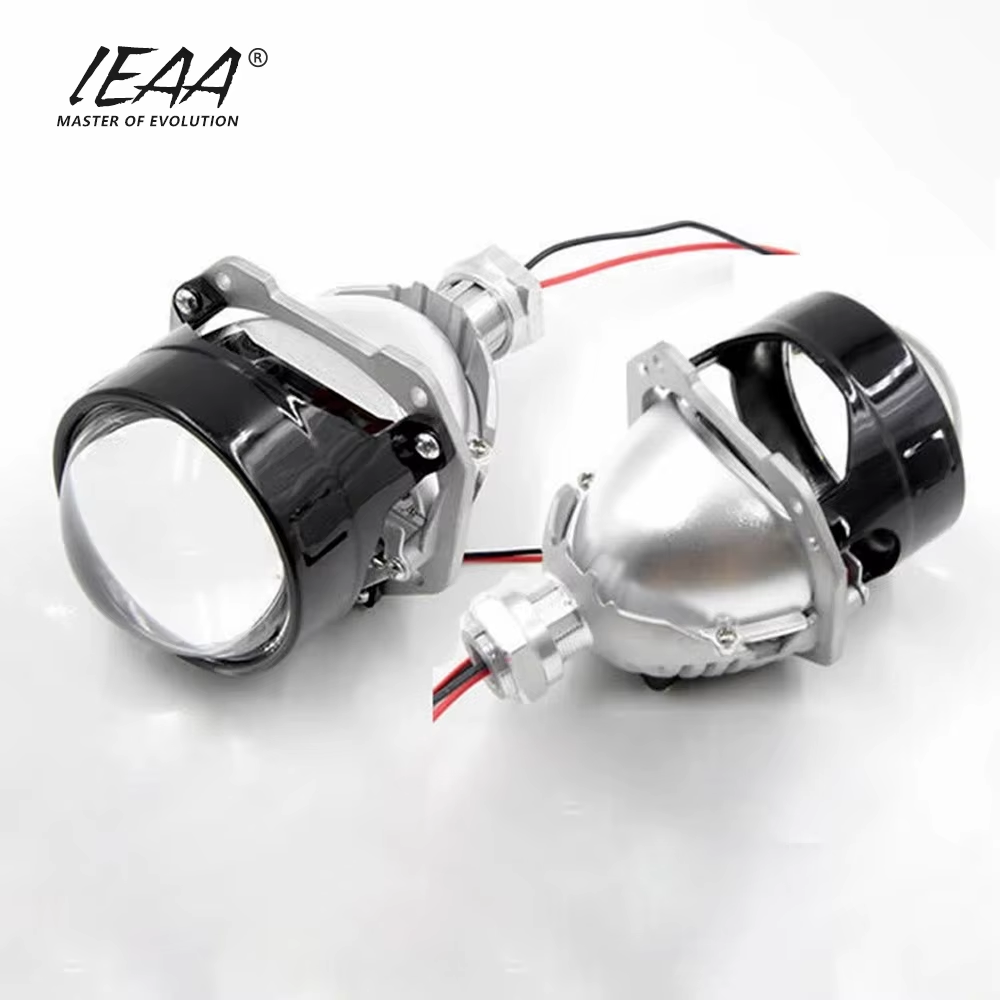
The headlights glasses represent the item of an unyielding problem, an element that is water in the harsh conditions of driving the automobile. The dampness of its manifold forms is ever trying Headlights are always designed to be airtight and in the morning and during enthusiasm of the high ambient moisture and dew water may still splash in in torrents of rain and road spray. The test that lenses are exposed to the moisture and humidity test is not a quality test but it is a no compromise, must have test of safety, wear and tear and long life. That is why this testing is of the paramount importance.
Seal Integrity and Internal Failure Prevention.
In-house: The major cause of using moisture testing is the hermetic seal of the lens and the housing.
Simulating Real-World Pressure Differentials by Mimicking: Driving Simulation The headlamp assembly is driven to give the shape the effect of breathing and giving internal pressure differentials. This is simulated by the humidity and water spray tests which subject the assembly to pressure, heat, and direct water (e.g. in-depth water test IPX7 immersion test or high-pressure jet test according to ISO 20653). Leakage-water or condensed water through the sealed chamber-is the evidence of failure of an important flaw in the sealing geometry or bond or adhesive bond or lenses / housing matching surfaces.
Internal Electronics: The systems are LED driver and control module sensitive and adaptive lighting actuators sensitive in accordance with modern headlamps. Connection with water may cause short cut, connector corrosion, corrosion of reflector, and corrosion that cannot be repaired of these electronic systems resulting to total failure of the headlamp.
Balancing Accuracy, Beam and Performance.
The safety capability of the headlight core will directly be affected by the presence of water in the assembly.
Condensation on Critical Surfaces: The smallest non-pooling, condensation that takes place on the inside of the lens or on the reflector spreads the light as well as diffuses it. This causes glare to oncoming traffic, decreases the effective seeing distance of the driver and it also distorts sharp bean cutoff that is required by law to be the case with ECE or SAE.
Long-term Degradation of Reflectors, Aluminum reflective coating on plastic reflectors will degrade and become dull when the interior environment is wet. This irreversibly reduces the efficiency of the system in terms of the amount of light which it generates as time elapses the headlights.
Measurement Coating Durability and Material.
The Humidity exposure test is a test on the level of molecules of the material and coating of the lens.
Hydrolytic Stability Testing Polycarbonate Polycarbonate Polycarbonate is strong and cannot be torn, but it is vulnerable to hydrolysis, which is a chemical process of chemicals that destroy the chains of polymer, heat and moisture disintegrate it. This is aged by experiment of high temperature and high humidity (usually 85deg C /85% Relative Humidity). The hydrolytic lens will not become brittle and it will not be impact strength anymore and might look cloudy or craze (micro-cracks) and that is disastrous to an optical component.
Evaluation of Coating Adhesion: The tough surface of the lens has to be perfectly bonded. Due to thermal cycling and humidity there can be a possibility of difference between coating and substrate expansion. This pressure is applied to ascertain whether it will peel off or not, under which, the covering is stripped away, and instantly it kills UV protection as well as abrasion resistance.
Compliance with the Global Regulatory Standards and OEM.
The law and business necessitate the obedience. One of the most specific demands of the headlamps under all the performance standards worldwide is moisture and humidity resistance.
Europe and the U.S. have some lamp seal and condensation specification in the regulatory Homologation ECE R48 and SAE J575 standards respectively. In most cases the type approval to sell cars in such markets is a requirement to pass through identified moisture exposure tests.
OEM-Specific Tests: All large car makers have their own, which tends to be more severe (e.g. GMW Test Standards at GM, CETP at Ford, TL standards at Volkswagen). Such tests make raised up high schedules of humidity, temperature and sprinkling of water that a head lamp can have before it is permitted to be used in their cars.
The true durability, which is tested in a stressful environment, is an appreciation. In the manufacturing of our headlights lens, there have been strict tests of moisture and humidity which have been applied during the production of the product. Our in-house tests are numerous, e.g. temperature-humidity cycling, immersion in water (IPX7), high pressure jet spray tests, so we can pass way beyond any industry and OEM-oriented standards. This caution in the meticulous moulding of the meticulous sealing seals, the polycarbonate which is stabilized by hydrolyte and the procedure of bonding with coated lenses which is of high technology which makes the lenses be treated as a solid and impermeable coating. This would mean preventing the assembly line rejection, low percentage of field failures, and ensuring that our components make up of headlamp systems that must be designed to survive in the field in the event of our OEM/ODM partners.