 EN
EN
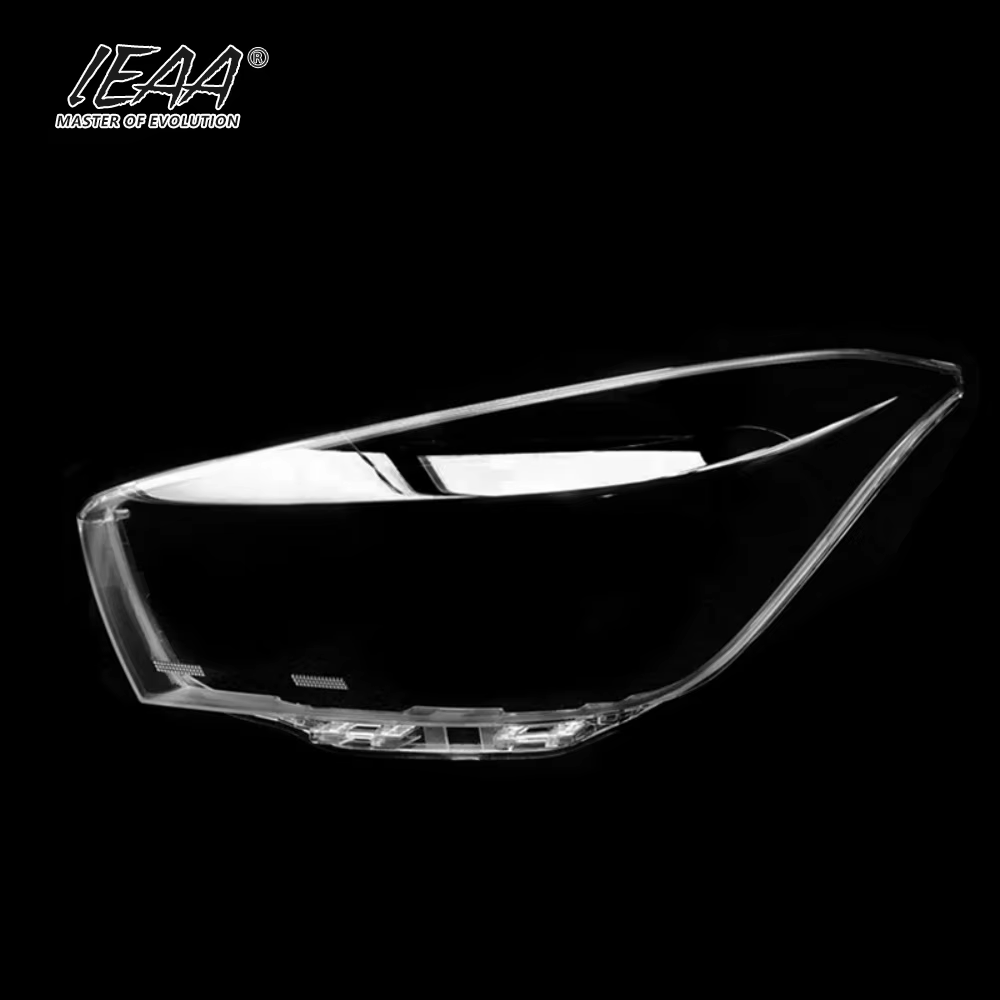
Although the headlight glass is the most common term used, the substance that characterizes car lights in the modern time is virtually but high-performance polycarbonate plastic (PC). This replacement of silicate glass was motivated by weight, safety and design latitude, however, a fresh series of composition-based endurance issues was generated. The fact that this glass has a long-term high UV radiation, chemical and heat resistance is not a luxury- this is designed at the molecular level of creating an exact formulation of the material. Knowledge of these factors of composition is important in determining the actual durability of a headlight lens.
Molecular weight and Polycarbonate Resin Grade.
Durability is dependent on the base polymer.
High Molecular weight and Viscosity: PC resins of premium optical grade are of high average molecular weight. This also creates longer, more convoluted polymer chains, which is immediately translated to high intrinsic toughness, impact resistance and environmental stress cracking (ESC). The less high grade resins are brittle and are likely to fail.
Optical Purity: Resin should be very pure of impurities, gels or unsoftened particles. Such inclusions are concentration points of stress, which become crack formation centers under thermal or impact loads, as well as, scattering light to cause a haze.
UV Stabilization Package: The Anti-Aging System.
The major risk to long-term clarity and mechanical strength is photodegradation due to sunshine. The additive package of the resin is the inbuilt sunscreen and antioxidant system of the resin.
UV Absorbers (UVAs): Substances such as benzotriazoles or benzophenones are incorporated in the resin. They work by absorbing the pernicious high-energy UV photons and transforming the energy into harmless low grade heat so that the radiation does not break the polymer chains.
Hindered Amine Light Stabilizers (HALS): It is a regenerative antioxidants. They trap the free radicals produced during the early phases of photo-oxidation and terminate the chain reaction of degradation. A combination of UVAs and HALS is synergistic, which offers a broadband and long protection against yellowing and embrittlement.
Impact resistance and Stress Crack Resistance Additives.
The ductility of the material is increased to survive stone chips and the small collisions.
Impact Modifiers: PC can be encased using specialty elastomeric polymers. The role of the impact modifiers is to help in the impact dissipation of energy by promoting micro-crazing and shear yielding rather than brittle failure. This is crucial in maintaining the sealed system when the material undergoes road spot impacts.
ESC Resistance Agents: Polycarbonate is subject to cracking under prolonged stress in the presence of particular substances (e.g. fuels and oils, some cleaners). The insidious failure mode is enhanced with specific additives and close monitoring of the residual molding stresses within the composition.
Stability Additives - Hydrolytic.
Polycarbonate is prone to hydrolysis-degradation when it is exposed to heat and moisture. This ruptures polymer chains, decreasing molecular weight and strength during time.
Hydrolysis Stabilizers: Phosphites and other additives are added to scavenge moisture and other acidic by-products that hasten this chain-scission reaction. This is essential to give the material its impact strength and dimensional stability in the hot and moist climate in an engine bay or in a decade in different climates.
Functional Coatings Compatibility.
A system performance is the durability of the lens, which depends on a flawless connection of PC substrate with the outer hard coating. The resin mix needs to be developed that facilitates coating bond.
Surface Energy and Reactivity: The base resin should eliminate the ability to be properly wetted and bond with the primer and hard coat layers (they are normally silicone-based or polyurethane-based). This adhesion is encouraged by specific additives or surface chemistry control in the resin. Coating delamination occurs due to poor bonding, and this instantly exposes the susceptible PC to UV and abrasion.
High-tech material science is the direct result that leads to the durability of an automotive headlight lens. It is a very well-balanced formula in which the base resin grade, UV stabilizers, impact modifiers, hydrolysis protectors and coating-compatibility agents all interact in interdependent ways. Premature yellowing, cracking or coating failure. A compromise on any of the ingredients of the formulation can result in the formulation prematurely yellowing, cracking or failing to coating. Thus to manufacturers and procurement experts, the specification or selection of lens has to be in terms of scrutiny in its material data sheet and validation tests and not in terms of what it looks like, first. True durability is an invisible quality which has been worked into the material long before the lens is made into its final form.