 EN
EN
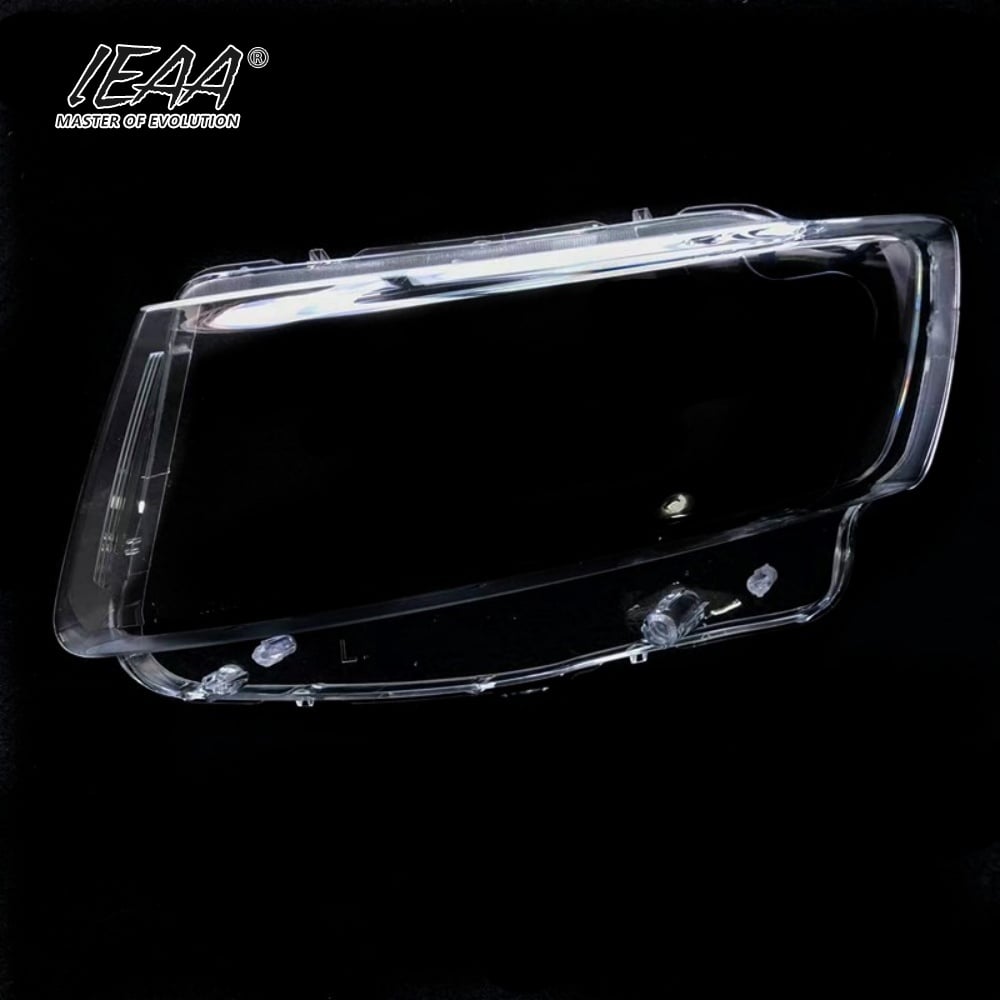
The same architectures have been applied by manufacturers to produce different model with an intention of establishing diversified models in the competitive automotive industry. This platform sharing strategy, i.e. the sedans and the SUVs and the crossovers, is built upon a number of shared building blocks, which delve into the realms of lighting systems. The headlight housing is one of the structural and protective components that have a greater role in this standardization. Its design and engineering will be central in the integration of seamless compatibility of the different models of a vehicle based on a single platform where the high performance will be matched with low cost of production.
Standardized Mounting and Interface architecture.
The cross platform compatibility is founded on a conventional interface. The headlight repackaging has a correct mounting foot print that fits the preset ones on the vehicle front-end module or body. This common-hard point system can allow the use of the same core housing design across a number of different vehicle models without the consideration that the total length, width, or front-end design of the vehicles might be different. It is also possible to provide standardized mechanical and electrical interface in the housing and this implies that the housing can be fitted and work dependably regardless of what end vehicle badge it employs.
Scalable Modular Internal Design.
Even though the distinguishable "face" of each model is an issue of the exterior lens and the bezel, the housing can be cut in the shape of a scaled backbone place. This involves:
Standardized Mounting and Internal Baffle: The housing would have universal mount points where the vital internal components such as LED driver modules, adaptive lighting actuators and the leveling motors may be installed. These arguments are consistent and analogous basic electronic and mechanical packages must be used all over the platform.
Flexible Cavity Geometry: The main housing may be designed in a way that it can accommodate such small variations in the optical assembly (e.g. size of projector, shape of reflector, etc.) required by the different trim models or lighting technologies (halogen vs. LED) but which share the same model family. This is achieved through modular inserts or minor redesigning of the molds to achieve the flexibility, rather than redesigning.
Material and Process Consistency of Quality.
By having a standardized shape of a house on a platform, much quality and efficiency will be gained.
Profiles in Unified Material Specification: Unified material may be standardized, e.g., a single and high-performance material, typically a high-impact, heat-stabilized thermoplastic, like polycarbonate / poly-butyl-terephthalate blend. This ensures a consistent practice of thermal control, vibration and long-term durability of every vehicle on the platform making supply chain and quality assurance process easier.
Automated Manufacturing and Equipment: The exterior styling lens, which is an independent part per model, the core housing can often be injection molded with the same or nearly identical molding tools with interchangeable components. This assists in the reduction of capital expenditure, time to market of newly developed models as well as consistency in production. The strictness of the processes also dictates that all the housing which will be attached to a sedan or an SUV will be of similar dimensions and performance tolerance too.
Integrated Thermal and Environmental Control.
A platform-shared housing should be designed in a manner that it will be able to support the worst-case thermal and other environmental loads of all the intended uses of the vehicle.
Good Thermal Design: The design of the housing, and potential integrated heat sinks are confirmed to the maximum thermal delivery possible by the most powerful light source on any model in the platform (e.g. high-lumen LED system). This enables sufficient heat dissipation of all versions.
Universal Sealing Performance: The sealing flange of the housing is programmed so that it aligns perfectly with various sealant gaskets of adhesives so that IP6K9K (dust-tight and high-pressure/high-temperature water jet resistant) seal is assured despite the fact that the body styles may differ somewhat in the manner of their front-end aerodynamic profile and patterns of high-pressure/high-temperature water exposure.
The modern car headlight casing is far beyond a protective casing. It allows its strategic platform-based production. It gives the carmakers the platform to present the various car beauties and light signature even though the similarity in engineering is as robust when a standardized, powerful and flexible platform is provided. This will offer trust, ease and faster innovation since the new technologies in lighting can be integrated or mounted on an already available platform of compatibility. The ability to design and produce such multicultural ones is a significant strength aspect of the suppliers, and it goes along with the extensive automotive industry, which aims at efficiency having no need to compromise.