 EN
EN
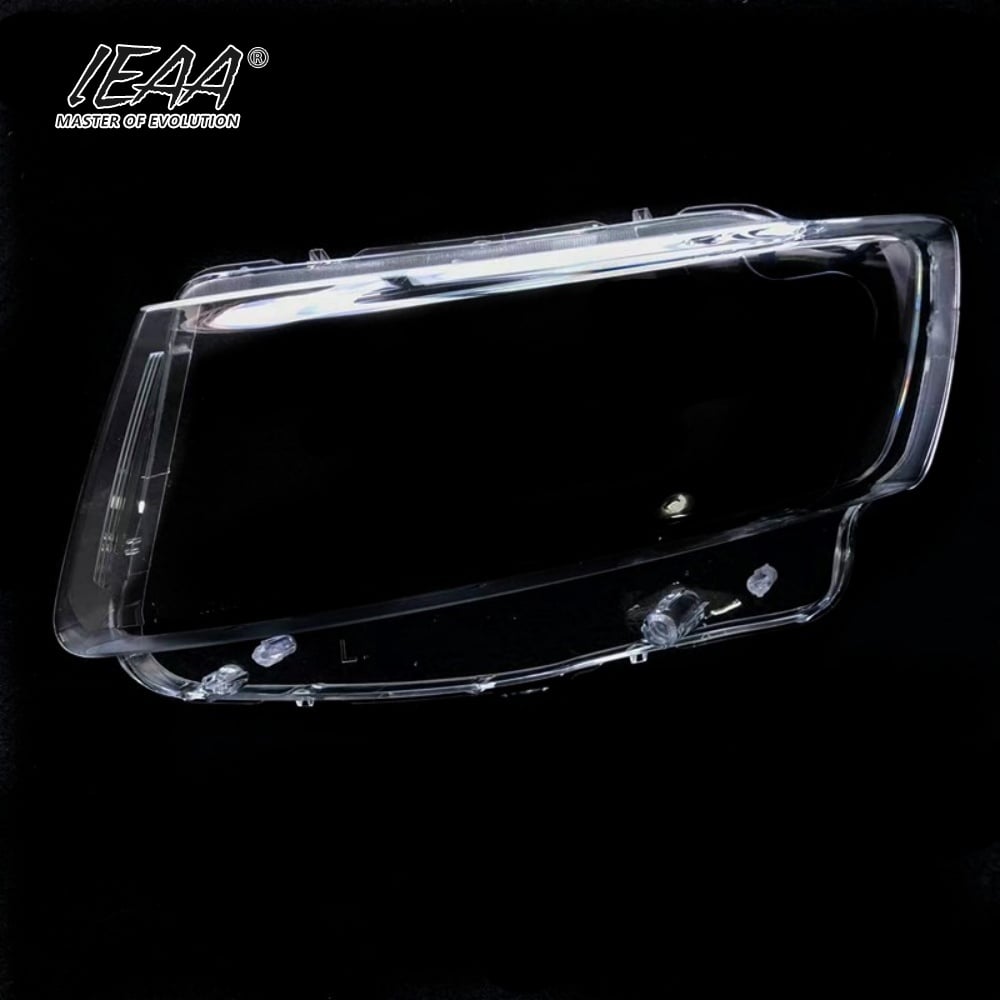
The present car headlamp turns out to be a representation of a masterpiece since it has been able to further develop the lamp-in-a-bucket into an extremely complex light, including optics, electronics and other fashionable designs. It has been facilitated by the use of multi-material structures, which is simply a combination of metals, different types of plastics, and different types of adhesives. Finally, the last frontal part will be the car headlamp cover that is regarded to be a highly important and multi-purpose part of these various assemblies.
Coefficient of Thermal Expansion
The hardest engineering issue that can be met during the assembly of various materials is the thermal dynamics. The rate of expansion and contraction of the materials under the influence of the light source or the environment varies.
Adaptive Design: The adaptive design are headlight covers that are usually polycarbonate. These are made in the following way:
Structures to permit movements relative to a metal (Aluminum) heatsink component or a thermoplastic component (PP or ABS) are mounted. This contributes to avoiding the accumulation of stress which will lead to breakage or destruction of the cover or seals.
Paying to Compensate Sealants and Gaskets: This is not a rubber gasket between the cover and the housing. They typically contain multi-component adhesives or high-performance thermoplastic elastomers (TPE) that are flexible enough in a wide temperature range. They are able to take in the stress on the disparity between the PC cover and the housing substance, thereby permitting a perfect environmental seal with thousands of temperature motions.
Facilitating the Hybrid Aesthetic and Functional Integration.
Headlights designs have greatly been able to combine different functions and materials into a single cover.
Cohesive Front Surface: This is a homogenized front surface whose cohesiveness makes the various objects in the scene together. It hides the joints of the jointed chrome-plated ABS reflector, the black polypropylene holder, and the aluminum LED panel in order to form the look of one jointed jewel.
Inclusion of Secondary Materials: Multi-shot process Advanced covers can be injected, or any other injected components can be molded onto the covers. The inclusion can either be a colored clear light guide of a signature DRL (Daytime Running Light), or blackout trim bezel, which is opaque and can be assembled with the main clear lens in the assembly procedure to create an integrated and complex front module, and is easy to assemble above the multi-material main housing.
Facilitating Assembly and Service Processes.
There is an influence on the logistics of manufacturing due to the transitions in multi-material assembly. These processes have to be accommodated by the headlight cover.
Modular Assembly in Automated Assembly.
Covers are also made to be carriers or as an early module, which is applied as the front module, in which other smaller modules like sensors, bezels or other decorations are attached temporarily at this level. The resulting sub-unit can then be welded by the robot to the outer casing under a clean environment and then the sensitive optics in the inside of the device are sent to the assembly line.
Serviceability Requirement: During the design of serviceability, the technique of joining the cover must be non-destructive in order to have an opportunity to remove the cover with ease of the hybrid assembly. This necessitates coming up with a special design of bonding technique such as utilization of the serviceable urethane bond, or a mechanism that could easily be removed without damaging the various substrate materials utilized in the housing.
Weight / Structural Contribution Optimization.
Multi-material designs in themselves imply that every element of the construction is supposed to lead to the optimization of the construction.
Structural Reinforcement: The headlight cover in a contemporary headlight design is made as purely optical components but with the purpose of providing torsional stiffness to the whole assembly. It can be used, together with strengthened mounting points on glass-fiber-reinforced plastic material mounted to the headlight example, to make the whole assembly vibration-free enough to hold the most important optical system.
Fit between Materials and Bonding: that the cover material (PC) has been chosen on the basis of the material being optics, other than the availability of a highly strong bonding capability of the adhesives in which it can be bonded.
The surface treatment such as the plasma process can be used in the sealing flange on the cover to facilitate an excellent bonding process to occur on the sealant. This is done to ensure that the surface material is made clean and this serves as a facilitator of the bonding process.
We have the expertise in the necessary engineering know-how in multi-material combinations. Our design and production of headlight covers is meant to be used with the highest combination of assembly materials, metals to different engineering plastics. We are in process of developing the Finite Element Analysis (FEA) technique of thermal and structural performance. We also have the expertise in high technology manufacturing processes, multi-shot molding, and we are therefore able to produce an integrated front module. At the joint efforts with our clients in the design phase of OEM/ODM, we are therefore able to present the clients with our covers that have the flawless interface: the stress, durability and gorgeous surfaces needed in the most advanced and multi-faceted head lights of the contemporary world.