 EN
EN

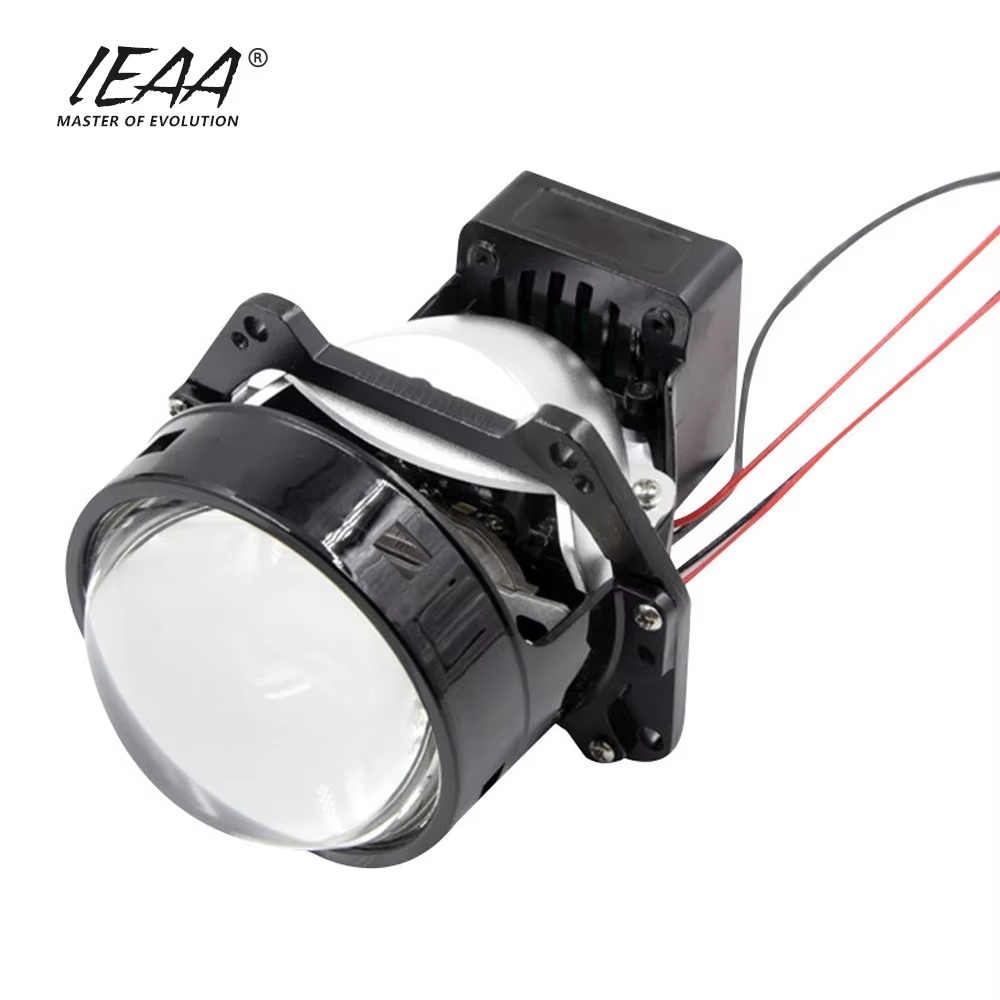
Otomotiv bileşeni imalat endüstrisinin hassasiyet gereksinimleri göz önüne alındığında, milyonlarca bileşen için biriform kalite ve performans sağlamak devasa bir görevdir. Far lensi gibi aracın kritik optik ve güvenlik parçaları söz konusu olduğunda bu biriformluk pazarlık konusu değildir. Geleneksel son kontrol yöntemlerini geride bırakarak büyük üreticiler İstatistiksel Süreç Kontrolü (SPC) yöntemini uygularlar. Bu, üretim sürecini gerçek zamanlı olarak izleyip kontrol etmek ve kusurların ortaya çıkmasından önce önlem almak amacıyla bilgiye dayalı, aktif bir yaklaşımdır. Aşağıda, otomotiv far lenslerini mükemmel hâle getirmek için kullanılması gereken önemli SPC ölçümleri yer almaktadır.
Şeffaflık ve Tutarlılık İçin Optik Ölçütler.
Lensin ana işlevi, ışığı bozulmadan geçirmektir. SPC, bu işlevi sağlamak için gerekli değişkenleri izler.
Görünür Işık Geçirgenliği (VLT): Örnek alınan lenslerde VLT, çizgisel spektrofotometri veya sık aralıklarla yapılan çevrimdışı spektrofotometri ile belirlenir. Bu ölçümlerin ortalaması ve değişimi, kontrol grafikleriyle izlenir ve her parti, belirtilen geçirgenlik yüzdesine (örneğin [?]90’lar) sahip olmalı ve sapmaları küçük olmalıdır.
Bulanıklık Ölçümü: Bulanıklık (ışık saçılması), ASTM D1003’e göre VLT gibi ölçülür. Bulanıklık için istatistiksel süreç kontrolü (SPC) grafikleri, bulanıklığı ve iç şeffaflığı çok sıkı bir sınırla (genellikle %1-2’den az) tutar; bu, malzemenin kurutulması veya kalıplanması sırasında küçük süreç varyasyonlarından kaynaklanabilecek kabul edilemez parlaklık veya dağılım oluşumunu önler.
Geometrik Kontrol Metrikleri: Boyutsal ve Geometrik Kontrol Metrikleri
Lens, sızdırmaz conta ve ışın deseni ile muhafaza üzerine tam oturmalıdır. Boyutsal ustalık, istatistiksel süreç kontrolüne (SPC) bağlıdır.
Kritik Kalınlık: Temas etmeyen lazer kalınlık ölçerler veya hassas mikrometreler ile kritik noktalardaki (conta flanşı, optik merkez) kalınlık sürekli olarak ölçülür. Kalınlık (X-bar ve R grafiği) grafikleri, kalıp aşınması, enjeksiyon basıncı veya sıcaklığındaki değişiklikler gibi yapısal bütünlüğü veya optik özelliklerin bozulmasına neden olabilecek eğilimleri anında tespit eder.
Ana Özellik Boyutları: Toplam uzunluk/genişlik, konumlandırma pimi çapı ve conta yüzeyinin düzgünlüğü gibi parametreler, otomatik görüş sistemi veya Koordinat Ölçüm Makineleri (CMM) ile ölçülür. Bu boyutlar, süreç yeterlilik indekslerini (Cpk ve Cp) hesaplamak için kullanılır. Genellikle Cpk değeri 1,33 veya daha yüksek olmalıdır; bu da sürecin merkezlenmiş olduğunu ve mühendislik tolerans sınırlarının çok ötesinde parçalar üretebileceğini gösterir.
Kaplama Süreci Metrikleri
Çizilmelere karşı koruma sağlayan sert kaplama ve UV koruyucu katman, dikkatli bir şekilde kontrol edilmesi gereken oldukça hassas bir işlemdir.
Kaplama Kalınlığı: Kaplama kalınlığı ultrasonik veya girdap akımı ölçüm cihazları kullanılarak ölçülür ve gerçek zamanlı olarak grafik haline getirilir. Kalınlığın düzgünlüğü, aynı aşınma ve UV direnci seviyesini korumak için önemlidir. Kaplamanın incelme eğilimi, kürleme sorunu veya akış hızı sorununa işaret ederken, kalın kaplama gerilme ve çatlamaya neden olabilir.
Kür Parametreleri: UV ile kürlenen yüzeylerde, ultraviyole ışığın dozu ve şiddeti sürekli olarak ölçülür ve kaydedilir. İstatistiksel Süreç Kontrolü (SPC), çapraz bağlanma ve yapışmayı optimize etmek için gereken ince enerji aralığında kür enerjisini sağlar.
Enjeksiyon Kalıplama Süreci parametreleri.
Enjeksiyon kalıplama presi, lens üretiminin temel bileşenidir. Makine, yalnızca parça değil, aynı zamanda SPC ile izlenir.
Erimiş Haldeki Sıcaklık ve Basınç: Erimiş polikarbonat akışının sıcaklığı ile enjeksiyon basıncı döngü döngü izlenir. Bu durumdaki değişiklikler, eksik doldurma, çökme izleri veya iç gerilmeler gibi kusurların doğrudan nedenidir; bu kusurlar ileride çatlama oluşumuna yol açar.
Döngü Süresi ve Soğutma Tutarlılığı: Kalıp alma işleminde soğutma sıcaklığının ve döngü süresinin kararlılığı izlenir. Soğutmada farklar ve bükülme, tutarsızlıktan kaynaklanır ve bu durum, sızdırmazlık sağlanması ile ışın hizalamasında sapmaların başlıca nedenidir.
Malzeme ve Önişlem Önlemleri.
Malzeme kalıba girmeden önce İstatistiksel Süreç Kontrolü (SPC) başlatılır.
Nem İçeriği Reçinesi: Polikarbonat dikkatlice kurutulmalı ve ardından kalıplanmalıdır. Çevrimiçi nem analizörleri, nem seviyelerini kritik bir değerin altına (örneğin < %0,02) düşürmeye yarayan bilgiler sağlar. Yüksek nem oranları, yüzey lekesi (gümüş çizgiler) ve hidrolitik bozunmaya neden olur; bu durum darbe dayanımını önemli ölçüde azaltır ve uzun vadeli şeffaflığı olumsuz etkiler.
Renk ve Katkı Maddesi Tutarlılığı: Renklendirilmiş veya karıştırılmış malzemelerde, renk spektrofotometrik verileri (Lab* değerleri) ile UV stabilizatörlerin konsantrasyonu, partiler arasındaki homojenliği belirlemek amacıyla İstatistiksel Süreç Kontrolü (SPC) ile izlenebilir.
Kaliteye olan bağlılığımızı, yoğun İstatistiksel Süreç Kontrolü (SPK) kullanarak süreçlerimize entegre ettik. Üretim hatlarımızda, reçinenin kuruma süresi ve kalıp boşluğundaki basınç gibi kritik parametreleri yanı sıra kaplamanın nihai kalınlığı ve optik geçirgenlik gibi değerleri gerçek zamanlı olarak kontrol edip grafik üzerinde izliyoruz. Otomatik ölçüm sistemleri ve veri analitiği sayesinde süreç yeterliliğini (CPK > 1,67 ana boyutlarda) olağanüstü bir düzeyde kontrol edebilir ve her far lensinin, parti partisine kesin teknik özelliklere uygun olarak üretildiğini garanti edebiliriz. İş ortaklarımıza sunulan ilgili SPK verileri, kalite kontrolüne yönelik aktif yaklaşımımızı ve dünya otomotiv tedarik ağlarına sorunsuz entegrasyon için gerekli tutarlılığı sağlama yeteneğimizi açıkça gösteren net bir biçimde sunulur.