 EN
EN
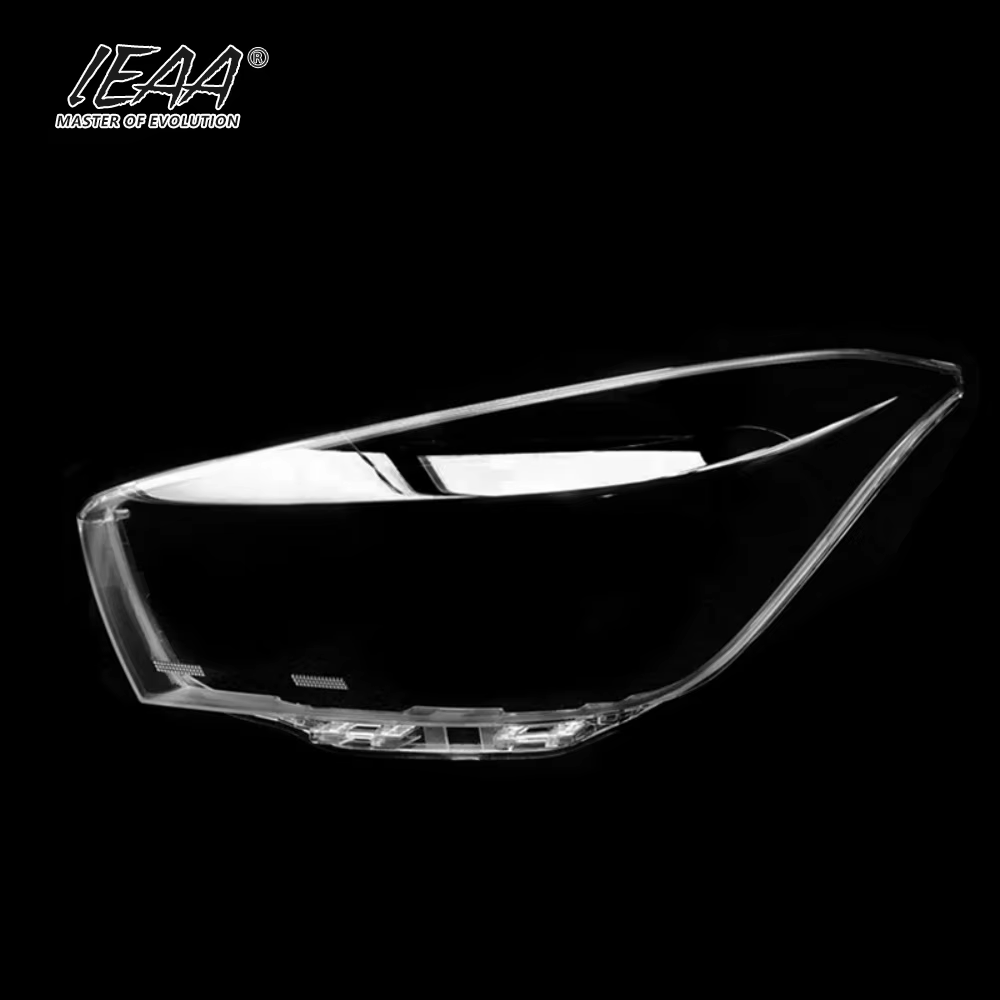
One of the structural components like the automotive head light housing is expected to have been subjected to environmental and mechanical load like sand blasting of road debris to chemically blasting fuels, cleaners and road salt. The most significant one is its long life to make sure that the internal optics are protected, attractive, and have integrity over the seal. To meet such demands, they need better treatments at the surface that can provide a considerable increment of the scratch and chemical strength in comparison with the underlying polymer.
Innovations: Hard Coating Technologies: The Principal Defense Line.
The most appropriate method of enhancing security on the polycarbonate or any other polymer housings is permanent hard coating. It is a chemically bonded layer that is multi-layered creating a significant increase in the hardness of the surface.
Plasma-Enhanced Chemical Vapor Deposition (PECVD): This is an extremely sophisticated process, which involves coating the housing surface with a very hard, very thin and transparent layer of silicon based (e.g., SiO2) layer in a vacuum chamber. The result is high scratch resistance which is typically more than the traditional wet coatings, and high UV stability and hydrophobicity.
UV-Curable Hard Coatings: This is one of the most common and efficient one. High ultraviolet light is used to spray and dry liquid oligomers and monomers shortly. This is a cross-linked polymer surface network. The key advantages include:
Increased Wear Resistance: Can be highly resistant to being a braided by the car wash brushes and small particles as they are usually 4H-6H and sometimes higher.
Excellent Adhesion: It possesses a good bond that cannot be easily peeled or delaminated in case it is used in conjunction with correct pre-treatment.
Chemical Inertness: The treated surface provides high level of protection on solvents, acids and alkalis which are predominant in the auto world.
Ideal Pre-Treatment of sticking and acting performance.
Top coating can never be successful without the preparation of the substrate.
Plasma Treatment: The plasma is the exposure to an ionized gas (plasma) and then the coating takes place. This process is the microscopic cleaning of the surface and polar functional groups which activates the surface. This gives the surface energy a hundred and million times larger, to offer an ideal wettability and a strong covalent bond to the next hard coating preventing future failure.
Primer Application: on some systems, the clean plastic is a purpose designed primer applied. The layer is an intermediate, enhancing bonding of the polymer as well as the final dry coating of the housing especially on hard polymer materials.
Special Finishes to Added Finishes.
Along with hard coats, which are evidently applied, a little more treatment can be added to provide a specific benefit.
Hydrophobic and Oleophobic Topcoats: Topcoat: Veneer of topcoat can be deposited over the hard coating which is one nanometer thick. This creates a surface which has low tension to the surface and so, water, mud and oils can collect and underflow. This clean-up effect not only maintains the appearance but also does reduce the destructive nature of the dirt particles which attach themselves on the housing.
Textured or Matte Finishes: Special textured finish is used in such instances of housings that are matte. These involve finely wearable particles in the coating structure. The texture provides the required wear resistance and chemical protection although any of the finer scratches could be covered by the coating itself.
Material Compounding and In-Mold Solutions.
It is improved on the level of material.
Anti-Scratch Additives: On the plastic level, one can include some additives (addition of silicone-based additives or addition of nanoparticle additives) into the polymer resin. A base level of scratch relief is provided by them moving to the surface in the molding.
In-Mold Coating (IMC): The latest technology is the In-Mold Coating (IMC) that involves the injection of the coating substance into the mold after the primary part has already been created yet prior to it being ejected. This coating is left to set on the top of the mould to get an ideal uniform surface with high adhesion level and high quality finish thus eliminating the need to do a post mould coated finish.
Quality Checking: Resistance Testing.
These treatments are proved to work through the assistance of standardized tests.
Scratch Resistance: Taber Abrasion Test (ASTM D1044) is identified as the increment in haze following a given series of abrasions. Pencil Hardness Test (ASTM D3363) measures the hardness of the coating.
Chemical Resistance: Chemical resistance tests are performed by applying some chemicals (e.g. gasoline, antifreeze, detergents) to the surface during a certain time and see whether a surface becomes soft, swells, loses their gloss or is dissolved.
The enhancement of scratch and chemical resistance of a headlight housing in a car is not achieved in a single step but instead a multi-layered defense system which is carefully thought out. It begins by a thorough substrate preparation, is built on a foundation of the newest hard coating technology and may be augmented with any special functional finishes. The manufacturers and the suppliers need to invest and learn these processes of surface treatment that the component to be manufactured is capable of enduring the harsh automotive lifecycle without losing its structural and aesthetic integrity which cannot be compromised in the production of OEM and other quality aftermarket component supplies.