EN
EN

How LED Tail Light Assemblies Improve Vehicle Visibility
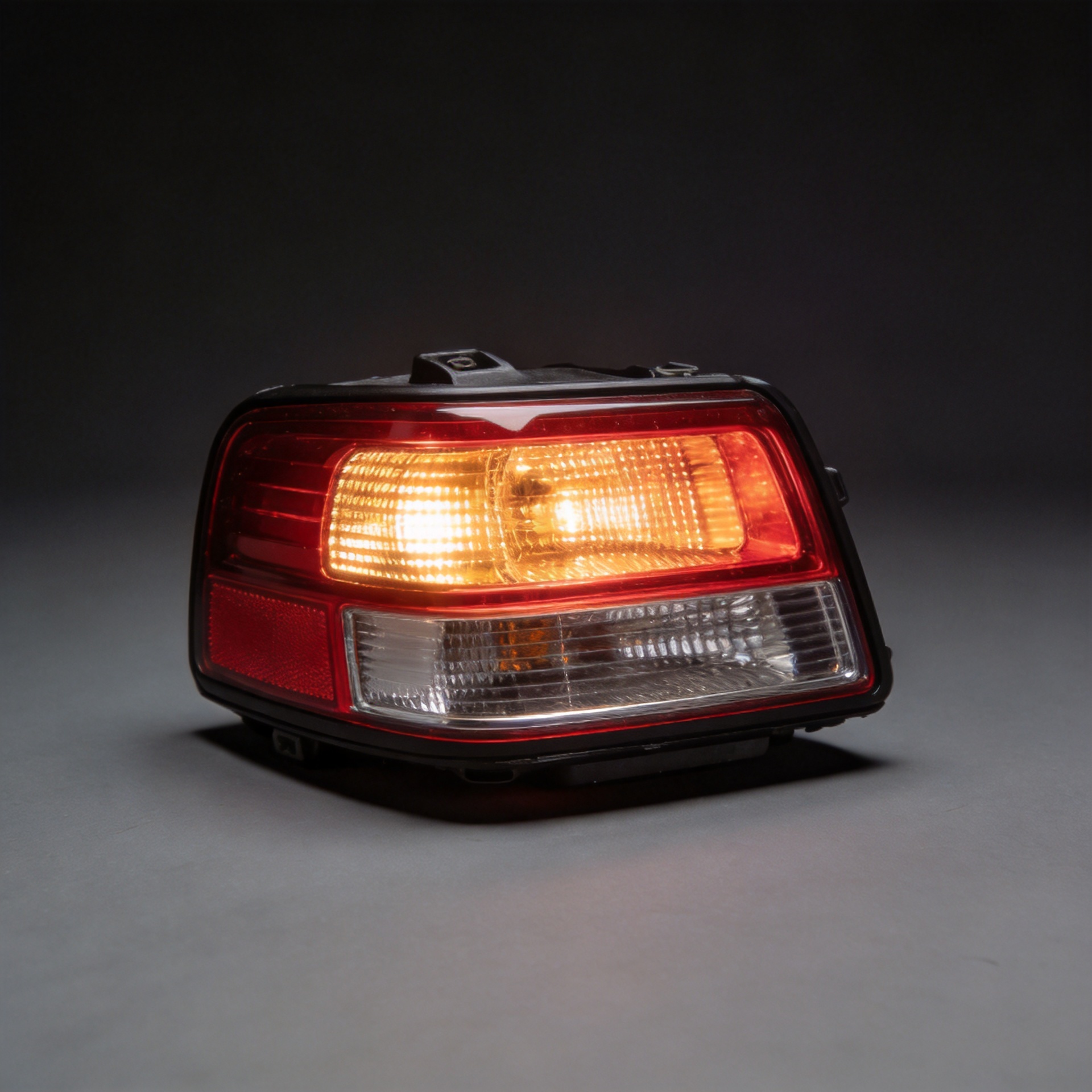
A tail light assembly does more than finish the rear styling of a vehicle. It is a coordinated safety unit that lets following drivers recognize a vehicle’s position, braking action, turning intention, and, on many models, reversing movement. When the original unit is cracked, dim, moisture-damaged, or electrically unreliable, replacing it with a correctly matched LED tail light assembly can make those signals clearer and more consistent.
For vehicle owners, repair shops, and parts buyers, the useful question is not simply whether LED is brighter. A good upgrade must work as a complete optical and electrical system: it needs the right lens pattern, light distribution, fitment, sealing, wiring connection, and function layout. In other words, visibility comes from usable signals, not from a headline brightness number alone.
What a tail light assembly does at the rear of a vehicle
A complete tail light assembly commonly brings several functions into one protected housing: rear position lighting, brake lighting, turn signaling, and sometimes reverse or rear-fog lighting. The housing, reflectors, LEDs or bulbs, lenses, seals, sockets, and connectors all influence how well those functions perform over time.
That integration matters because a fault in one part can affect the whole rear-light message. A cloudy lens can soften the apparent light output. Water intrusion can corrode a connector. A poorly fitting replacement can leave gaps that invite moisture or vibration. Even when an LED source itself still illuminates, an assembly with compromised optics or mounting may not communicate as clearly as intended.
Rearward visibility also involves viewing angles. NHTSA interpretation material discusses turn-signal visibility across a broad horizontal field around the back of the vehicle. The exact legal requirement depends on the vehicle and market, but the practical takeaway is straightforward: following traffic should be able to see a signal from realistic lanes and approach angles, not only from directly behind.
How LED technology can make rear signals easier to notice
LEDs can support more immediate, uniform-looking illumination than an aging conventional lamp system when the assembly is engineered correctly. That can help distinguish the change from tail-light mode to brake-light mode, particularly in mixed traffic where drivers are processing many visual cues at once. LEDs also allow designers to use precise light guides, segmented signatures, and defined illuminated areas within the lens.
Still, brightness is only one part of the answer. Many buyers initially focus on the brightest available option, then discover that lens optics and light distribution determine whether a signal looks clear rather than harsh or uneven. A well-designed tail light assembly directs usable light through the lens while controlling hot spots and preserving the contrast between its different functions.
Signal color and separation matter as well. An NHTSA study on amber rear turn signals reported a 5.3% effectiveness in reducing the studied category of two-vehicle rear-impact crashes. That is not a promise about every vehicle or driving situation, but it illustrates why an unmistakable turn indication can be valuable. Buyers should confirm the correct signal configuration and applicable regulations for the destination market.

Why the assembly design matters as much as the LED source
An LED tail light assembly improves visibility only when its components work together. The lens must remain clear and stable, the reflector or light guide must distribute output as designed, and the enclosure must protect the electronics from dust and moisture. Thermal management also deserves attention: heat that is not controlled can reduce long-term LED performance and affect the surrounding materials.
Fitment is equally important. A replacement intended for a specific vehicle should align with the mounting points and body contours without forcing the housing. It should also provide the required connector arrangement and support the vehicle’s lighting functions. For example, a model-specific 2014–2018 BMW X5 F15 LED tail lamp is relevant only when the vehicle, side, and functional specification match the order requirement.
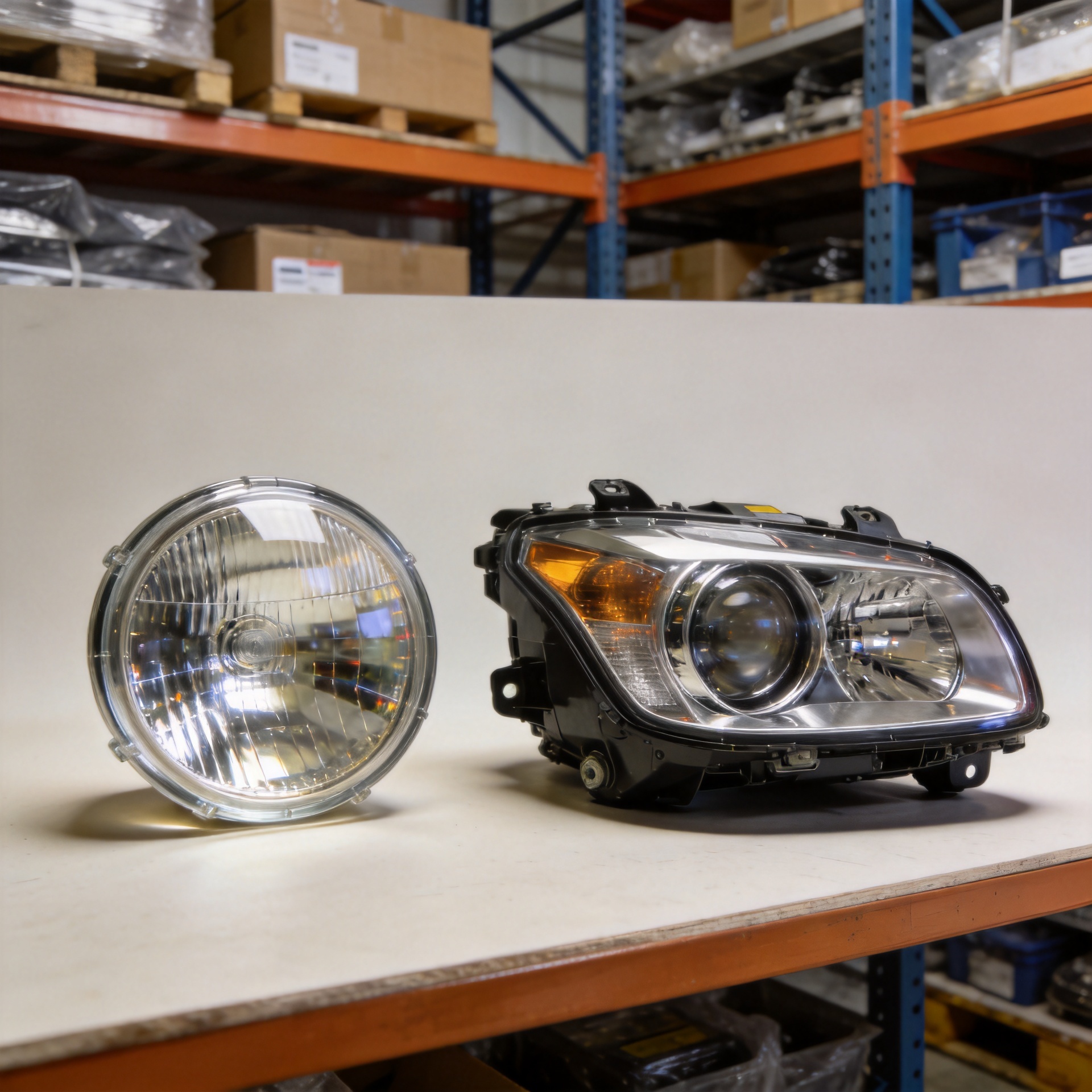
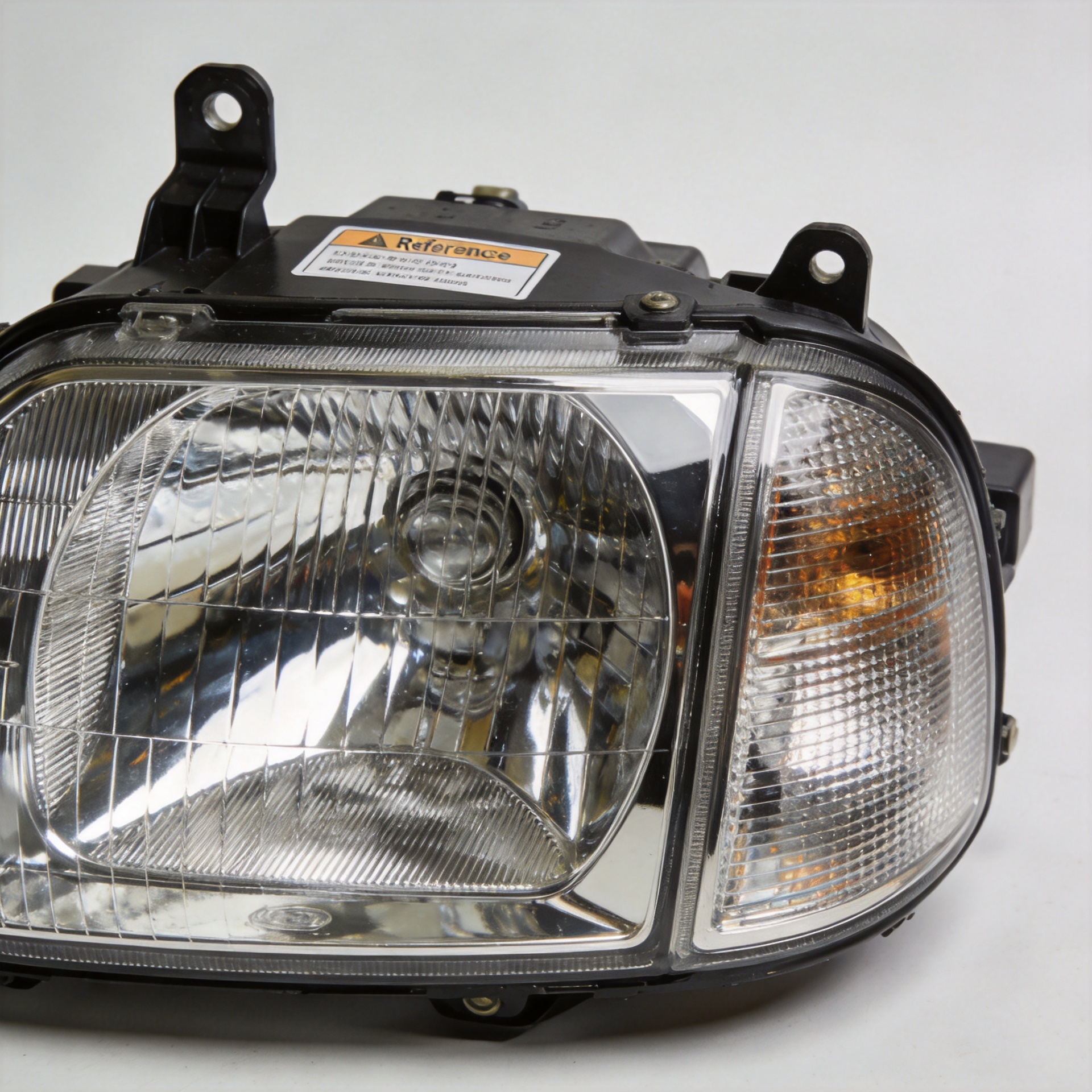
For distributors and workshops, this is where headlight assemblies and rear lamps share a useful purchasing principle: verify the whole lighting unit, not just the visible lamp technology. A reliable parts review includes the housing, lens, mounting interface, connector, function set, and any vehicle-specific electronic compatibility requirement.
Common visibility problems an LED replacement can address
- Faded or hazy lenses: A clear, intact lens helps the intended light pattern reach following traffic.
- Inconsistent illumination: A properly functioning LED array and optical path can create a more even visual signature than a deteriorated unit.
- Water or condensation damage: Replacing a compromised assembly can restore protection for internal connectors and lighting elements, provided the new unit is correctly installed.
- Weak brake or turn differentiation: An assembly designed with distinct functions can make braking and directional intent easier to recognize.
- Physical damage after a collision: A cracked housing or broken mounting point should be addressed as a visibility and retention issue, not merely a cosmetic one.
A practical checklist before choosing a tail light assembly
- Confirm exact fitment. Check model year, body style, left or right side, and original equipment configuration.
- Match every lighting function. Verify position, brake, turn, reverse, and rear-fog functions where applicable.
- Inspect lens and housing quality. Look for consistent molding, sound sealing, and secure mounting areas.
- Check connector and electrical compatibility. A plug-style connection can simplify installation, but it still must match the vehicle’s actual harness and diagnostics.
- Review local requirements. Lighting color, markings, beam behavior, and allowed modifications vary by market.
- Test after installation. With the vehicle safely parked, confirm all functions, both sides, and warning indicators before returning to the road.
Tail light assembly questions buyers should ask
Is this tail light assembly specified for the exact vehicle year and body style? A tail light assembly that appears similar can still have a different mounting pattern, connector, or lamp layout.
Does the tail light assembly support every original rear-light function? Confirming brake, position, turn, reverse, and rear-fog functions prevents a tail light assembly from becoming a partial replacement.
How is the tail light assembly sealed? Buyers should inspect the lens-to-housing joint, rear covers, and connector areas because moisture can shorten the service life of a tail light assembly.
Does the tail light assembly provide a defined visual separation between running lights, braking lights, and turn signals? Clear function separation helps a tail light assembly communicate driver intent in busy traffic.
Has the tail light assembly been checked after installation from multiple rearward angles? A practical tail light assembly inspection includes a parked function test and a check that no body panel or accessory blocks the lens.
When should a tail light assembly be replaced?
Replace a tail light assembly when the lens is cracked, the housing no longer mounts securely, condensation persists, or one or more light functions fail. A damaged tail light assembly can affect both conspicuity and the durability of the rear electrical connection.
Can LED rear lamps be mixed with other lighting repairs?
Yes, but the repair plan should remain application-specific. If headlight assemblies are being serviced at the same time, verify each component independently; the correct tail light assembly must still match the rear harness, location, and required functions.
Visibility is a system outcome
A suitable LED tail light assembly is not necessarily the one with the most dramatic appearance. It is the unit that fits correctly, preserves the intended rear-light functions, remains sealed in service, and presents clear signals to other road users. For awareness-stage buyers, that is the key idea: an LED upgrade can improve vehicle visibility when it restores or enhances the complete rear-light system rather than treating the lamp as an isolated styling accessory.
Before purchasing, compare the assembly against the vehicle application and the target market’s requirements. Before driving, verify that every function works. Those small checks turn a replacement part into a more dependable piece of the vehicle’s everyday safety communication.